Holidaypac
 Jun 22,2026

By Cassie - Founder of Holidaypac | 20-Year Expert in Paper Packaging & Displays
The best way to get a low MOQ for custom stand-up pouches is to reduce factory setup friction: choose an available pouch size, use a proven material structure, keep artwork within a practical color plan, start with digital printing or a shared-material run when suitable, and confirm quality standards before sampling. A low MOQ should never mean vague material, weak sealing, unclear barrier performance, or unstable printing.
At Holidaypac, our factory team helps buyers separate what can be simplified from what must be protected. Size, print process, finish, and ordering rhythm can often be optimized. Food-contact safety, zipper strength, seal integrity, barrier requirement, and artwork accuracy should not be compromised.
When a buyer asks, "What is your MOQ?" the answer often sounds simple: 1,000 pieces, 5,000 pieces, 10,000 pieces, or more. But behind that number are several factory realities. Custom stand-up pouches are not cut from a single universal material. A pouch may need PET, kraft paper, PE, aluminum foil, VMPET, recyclable PE film, matte varnish, gloss varnish, zipper, tear notch, hang hole, valve, window, or child-resistant features. Each option affects material purchasing, printing setup, lamination, curing time, bag making, inspection, and packing.
MOQ also depends on whether the order uses digital printing, gravure printing, existing size tooling, or a new custom die line. Digital printing can support smaller trial runs because it avoids engraved cylinders. Gravure printing is powerful for brand color consistency and large-volume cost efficiency, but it usually requires plate or cylinder setup. If your design needs premium metallic effects, high-barrier laminated film, a custom spout, a special zipper, or unusual dimensions, the factory must control more variables before production becomes stable.
This is why low MOQ should be discussed as an engineering and sourcing question, not only as a sales request. A serious custom stand-up pouch factory will ask about fill weight, product type, shelf life, storage condition, filling method, packing speed, target market, artwork readiness, and launch schedule. Those questions protect both sides. They help the buyer avoid a cheap small run that looks acceptable on a screen but fails during filling, shipping, retail display, or customer use.
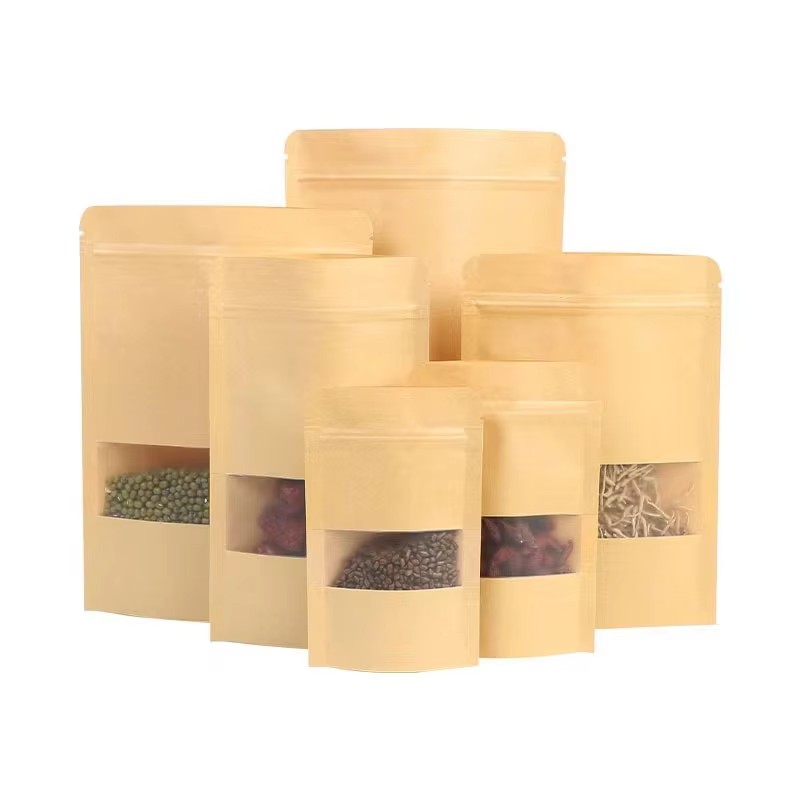 |
Seven Practical Ways to Lower MOQ Without Lowering Quality1. Start from an existing size. If your pouch can use a size already close to factory tooling, your MOQ can often be more flexible. Standard sizes reduce setup uncertainty and help the factory use proven bag-making parameters. 2. Choose a proven material structure. A buyer launching tea, snacks, coffee, pet treats, powders, or supplements may not need a fully experimental film. For example, a kraft ziplock pouch for tea and bakery products can often begin from a tested kraft laminate structure, while coffee may require stronger moisture and aroma protection. 3. Use digital printing for early market tests. Digital printing is useful when the brand needs several SKUs, short seasonal runs, or launch validation before a larger purchase. The unit price may be higher than mass gravure printing, but the cash risk is lower. 4. Limit unnecessary artwork complexity. Full custom artwork is absolutely possible, but each effect has a cost. If the first order is a market test, keep the color system clean, avoid too many spot finishes, and make sure the design works on the chosen film. |
5. Group SKUs intelligently. If several flavors share the same pouch size and material, discuss whether the factory can combine production planning. A coffee brand, for example, may test different roasts while keeping one base structure and changing artwork. This is easier than changing size, zipper, and material on every SKU.
6. Confirm function before decoration. A window, valve, handle, hang hole, and child-resistant zipper can all be valuable. But if every special function is added to the first run, MOQ and sample cost rise quickly. Choose functions that directly support product protection, retail display, or compliance.
7. Build a reorder plan. Factories are more willing to support low MOQ when the buyer has a realistic repeat order path. Share your forecast honestly: test order, first retail launch, second replenishment, and expected annual volume. Holidaypac can help buyers turn a low initial order into a stable production plan.
A low MOQ has value only if the pouch still performs. The first non-negotiable is material suitability. Dry snacks, powdered drink mixes, coffee beans, tea, pet food, seeds, cosmetics, and specialty retail products do not all need the same barrier. If your product is sensitive to oxygen, moisture, light, aroma loss, or oil migration, the pouch structure must be selected around that risk. A lower MOQ should not mean using whatever film is cheapest that week.
The second non-negotiable is seal integrity. A stand-up pouch must survive filling, carton packing, export transport, warehouse storage, and consumer handling. Seal width, sealing temperature range, bottom gusset strength, zipper placement, tear notch accuracy, and pouch flatness all matter. For heavier products, such as pet food or rice flour, the bottom gusset and side seals need special attention. The 1kg to 5kg stand-up pouch format is a good example of why load-bearing performance must be discussed early.
The third non-negotiable is zipper reliability. Buyers often focus on printed appearance, but consumers interact with the zipper again and again. A weak zipper makes the package feel cheap even if the print is beautiful. For food, pet treats, coffee, and powder products, the reclose experience is part of the product experience.
The fourth non-negotiable is print readability and brand color control. Low MOQ buyers often use packaging to prove market demand. If the first packaging run has blurred text, weak contrast, poor barcode readability, or color that does not match the brand mood, the test result becomes misleading. At Holidaypac, the brand logo color direction can be considered during artwork review. For the Holidaypac identity, the soft purple direction, close to RGB (181, 139, 191), reminds us that packaging should feel calm, trustworthy, and recognizable without shouting.
Many buyers want the lowest MOQ and the lowest unit price at the same time. In real production, those goals often pull in different directions. A small run spreads setup labor, machine time, QC preparation, material purchasing, and packing work across fewer pieces. That is why the unit price of a low MOQ order is usually higher than a large-volume run.
The right question is not simply, "Can you make 500 pieces?" A better question is, "What is the most cost-efficient small run that still uses the right material and gives me a clear path to larger production?" Sometimes the answer is a digital printed pouch at a lower quantity. Sometimes it is a slightly higher MOQ with gravure printing because the buyer needs exact repeat color and lower long-term unit cost. Sometimes the buyer should test a flat pouch first if stand-up display is not essential.
A professional factory can show the logic behind each price. At Holidaypac, we encourage buyers to compare three scenarios: sample or prototype quantity, launch quantity, and scale quantity. This gives purchasing teams a realistic view of cash flow, marketing risk, and future cost reduction.
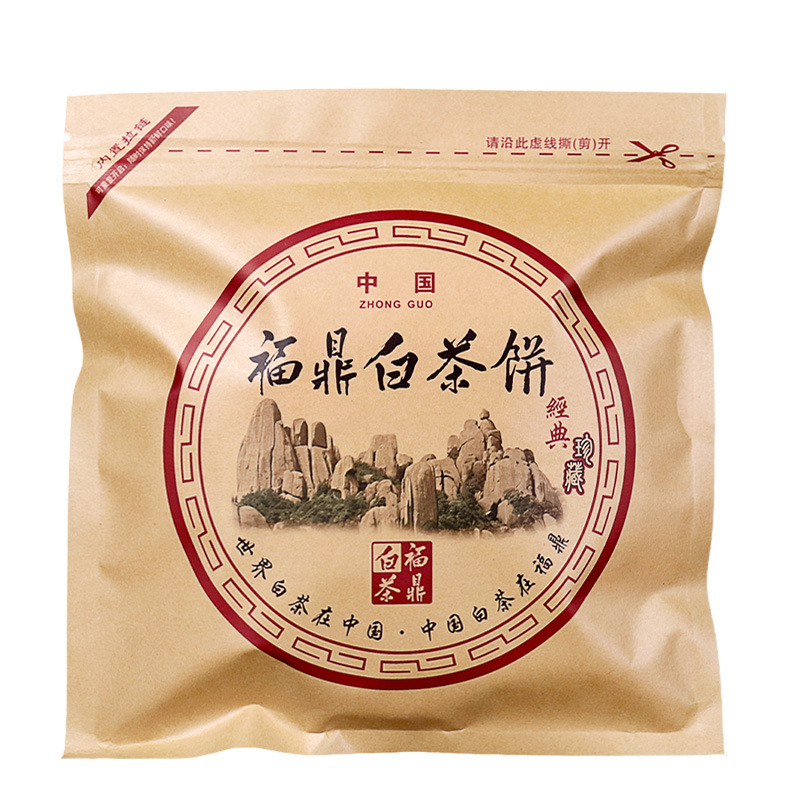
Tea, herbs, and dry bakery products: Many brands can begin with kraft paper laminate, zipper closure, and a clean label design. A kraft stand-up pouch with zipper and window can help consumers see the product, but the window should be evaluated against light sensitivity and shelf-life needs.
Coffee and aroma-sensitive products: Coffee buyers should discuss degassing valve, oxygen barrier, moisture barrier, seal strength, and aroma retention. A stand-up zipper pouch with moisture barrier may need more technical review than a simple dry snack pouch.
Seeds, powders, and supplements: Fine powders can create sealing contamination during filling. Buyers should tell the factory whether they hand-fill, semi-automatically fill, or use an automatic line. Tear notch position, zipper height, and pouch opening width can all affect packing speed.
Pet food and heavier products: For pet treats or food, ask about bottom gusset strength, pouch thickness, drop testing, and carton packing method. A pet food storage pouch may require stronger structure and a more durable reclose system.
Regulated or child-resistant packaging: If your market requires child-resistant features, do not treat MOQ as the only priority. Ask about the mechanism, test expectations, labeling, and market requirements. Buyers should confirm legal and compliance details with their own compliance team. A child-resistant smell proof pouch is a specialized solution, not a generic bag.
Holidaypac is a production-focused packaging partner. Our role is not only to say yes to a low MOQ request. It is to help the buyer understand which choices are flexible and which choices influence product safety, shelf presentation, and customer experience. Before production, our team may review pouch dimensions, capacity, artwork file quality, material options, zipper type, finish, carton packing, and shipping conditions.
For a custom stand-up pouch project, we normally suggest a structured path: confirm product details, recommend material structure, prepare dieline, review artwork, create sample or digital proof, confirm production standard, manufacture, inspect, pack, and ship. This process is especially important for low MOQ orders because there is less room for waste and rework. A clear brief at the beginning saves time at the end.
As a factory, we also understand that buyers are often balancing internal pressure. Marketing wants beautiful packaging. Purchasing wants lower cost. Operations wants easy filling. Sales wants fast delivery. Compliance wants safety documentation. A useful supplier helps these teams speak the same language. That is where Holidaypac can create value beyond a simple unit price.
Send a complete request, and your supplier can quote faster and more accurately. Use this checklist when contacting Holidaypac for custom stand-up pouch MOQ support.
Mistake 1: Asking for a custom size without checking capacity first. Sometimes a standard size can hold the product perfectly. If the buyer insists on a new size too early, MOQ and setup cost can increase.
Mistake 2: Treating every SKU as a separate project. If five flavors share the same size and material, tell the factory. Grouping logic can help reduce setup friction.
Mistake 3: Choosing premium finishes before confirming market demand. Soft touch, spot UV, metallic effect, special window shape, and complex zipper systems can all be beautiful. Use them when they support the brand strategy, not only because they look impressive on a mood board.
Mistake 4: Ignoring filling conditions. A pouch that looks good in a photo may not run smoothly on your filling line. Tell the factory whether filling is manual, semi-automatic, or automatic. For low MOQ launches, many buyers hand-fill first, then later optimize pouch opening and film stiffness for machine filling.
Mistake 5: Comparing quotes without comparing specifications. Two pouches may look similar but use different film thickness, barrier layer, zipper quality, print process, and QC standard. A lower quote is not always a lower cost if the product fails or delays launch.
Holidaypac was built with a simple belief: Born from nature and return to nature. Even when we manufacture flexible packaging that includes technical barrier films, we still use this idea as a design discipline. Packaging should protect the product, reduce unnecessary waste, communicate honestly, and create emotional value for the consumer.
Cassie Lan, founder of Holidaypac, brings 20 years of international trade experience and 16 years of packaging focus into this work. Her understanding of Chinese traditional culture and Western markets helps our team think about balance. From Zhuangzi and the idea of harmony between people and nature, we learn restraint. From the Yijing, we learn that timing and change matter. From Buddhist wisdom, we learn compassion and long-term trust. From the Chinese Five Arts, we learn observation, pattern recognition, and cultural literacy. In factory practice, these ideas become practical: do not over-package, do not over-promise, and do not treat the buyer's first trial order as a small problem. A small order may be the beginning of a long brand story.
It depends on size, material, print method, zipper type, and artwork. Digital printing can often support lower trial quantities, while gravure printing usually becomes more cost-effective at higher volumes. Send Holidaypac your product details and launch plan for a practical recommendation.
Sometimes, yes, especially when the designs share the same pouch size and material. The more variables you keep consistent, the easier it is to discuss a flexible MOQ.
No. Low MOQ should mean a smaller production plan, not weaker material or careless QC. Quality requirements should be confirmed before sampling and production.
Digital printing is often better for early testing, multiple SKUs, and smaller launch quantities. Gravure printing is usually better for large repeat orders that need stable color and lower unit cost.
Send product type, fill weight, target size, material preference, closure requirements, artwork file, target quantity, destination, and deadline. The more complete your brief, the faster the factory can recommend a realistic low MOQ path.
Low MOQ is useful when it helps you launch, test, and learn. It becomes risky when it hides unclear material, weak sealing, poor print control, or missing quality standards. If you are sourcing custom stand-up pouches for a food, coffee, tea, pet, supplement, seed, cosmetic, or retail brand, work with a factory that explains the production logic behind the MOQ. Holidaypac is ready to help you build a pouch plan that starts lean and grows with confidence.


Links