Holidaypac
 Nov 15,2026

Die cutting packaging turns a flat sheet into a shaped blank that can be folded and assembled. For buyers, approval should cover more than the outside outline. Check the current dieline, the intended folds, the fit of tabs and slots, and the finished sample with the actual product inside.
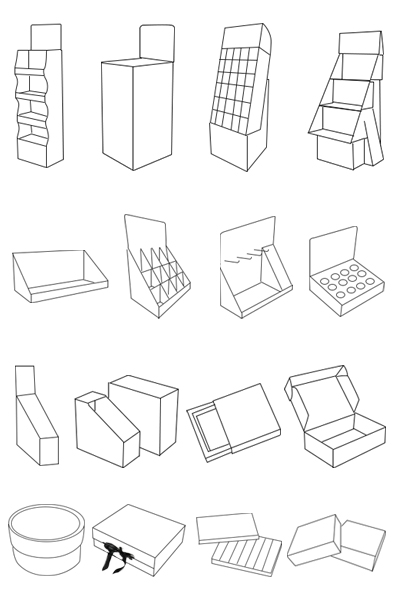
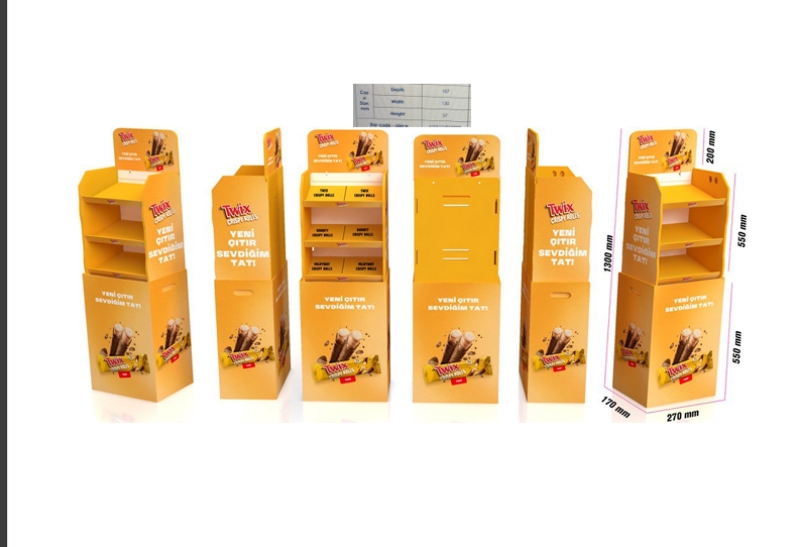
A packaging box and a cardboard display may both use cut and creased parts, but their approval priorities differ. A box must close and fit its contents; a display also needs its shelves, supports and retail-facing edges to work together. Use the following checks when discussing a new project with Holidaypac.
What do cutting and creasing do?
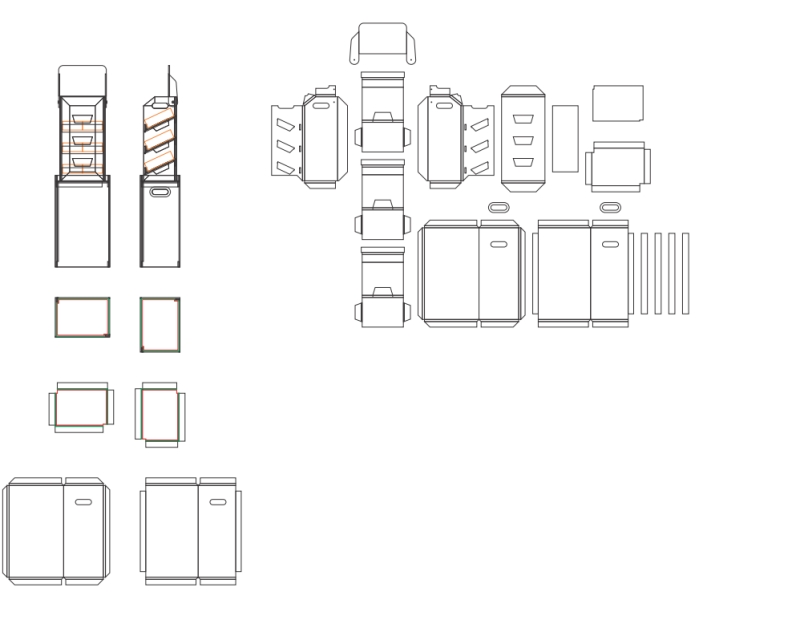
Cutting separates the required shape from the surrounding sheet. Creasing prepares a controlled fold. A dieline is the drawing that communicates these operations, together with other features such as perforations or glue areas when needed. Ask for a line legend: colors alone are not a reliable instruction across different suppliers or files.
A partial-depth cut is a separate operation. Do not replace a crease with a partial cut without the structural designer's approval. Material, board thickness, fold direction and the intended joint all affect that decision.
Confirm the drawing before tooling
- Version: identify the approved drawing number and revision on the quotation, sample and artwork.
- Dimensions: distinguish internal product space from external dimensions and the flat sheet layout.
- Operations: identify cut lines, creases, perforations, glue areas and any special machining instructions.
- Material: confirm the proposed board construction and thickness; do not substitute a different board while keeping all fitting details unchanged without review.
- Graphics: keep critical text, barcodes and brand elements clear of folds, openings and glue areas. Agree the required clearances with the supplier.
For artwork preparation, use our print-ready artwork checklist. Keep artwork approval and structural approval identifiable so that a color correction does not accidentally authorize a new construction.
Check the sample in the order people will use it
- Inspect the blank. Look for incomplete cuts, unwanted tears, crushed areas and loose waste. Check the critical dimensions against the approved drawing and agreed tolerances.
- Fold it normally. Follow the supplied assembly sequence. Note visible cracking, awkward folds or parts that require excessive force.
- Check the joints. Tabs should engage their intended slots. Closures, inserts and support pieces should remain correctly positioned during ordinary handling.
- Add the actual products. Confirm fit, access and orientation. For a display, assess it under the intended loading arrangement rather than judging an empty unit.
- Review the visible finish. Inspect the assembled front, sides and edges. If an edge is intended to be wrapped or covered, exposed fluting is a construction mismatch that needs correction.
A digital prototype is not the final production check
A sample cut on a digital cutting table can help review size and assembly before production tooling is made. It does not by itself establish how every production blank will cut, crease or fold. Ask which process made the sample and which process will make the order.
Where these differ, agree how the production process will be approved. Record any differences in material, surface finish or assembly method. A finished sample should represent the details the buyer is approving, with exceptions written down.
Build a usable approval record
Photograph the flat blank, assembled front and back, critical joints and the loaded sample. Mark the agreed changes directly on a copy of the drawing and retain the approved revision. Separate observations from acceptance decisions: “tab is tight” needs a defined correction or explicit acceptance.
Agree the inspection points and acceptance criteria before the production run. A successful assembly check does not replace transport, stacking or load testing where those are required by the product and distribution route.
Buyer questions
Is the dieline the same as the cutting tool?
No. The dieline communicates the intended flat geometry and operations. A physical die is tooling used in a die-cutting process. The production method and tooling requirements should be confirmed with the supplier.
Can one approved design be used with another board?
It needs review. A material change can affect folds, clearances, joints and finished performance. Ask for confirmation and a representative sample instead of assuming interchangeability.
What should I send Holidaypac for a quotation?
Send product dimensions and weight, the quantity and arrangement per box or display, intended use, artwork status, destination and any existing drawing or sample. State whether you need a structural prototype, a printed sample or a production-representative approval sample. Tooling cost, sample cost, tolerances and lead time should be confirmed for the actual project.
Planning a custom box or display? Contact Holidaypac with your product and packing requirements so the structure and approval steps can be discussed together.
Process reference: BOBST: The essentials of carton converting. The inspection sequence above is a practical buyer checklist, not a certification or a universal test standard.