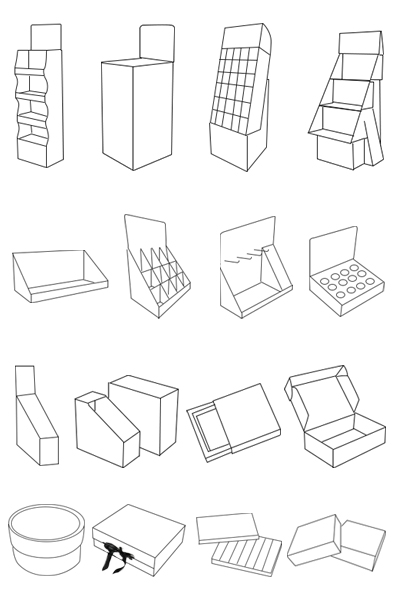
Designed around the assortment
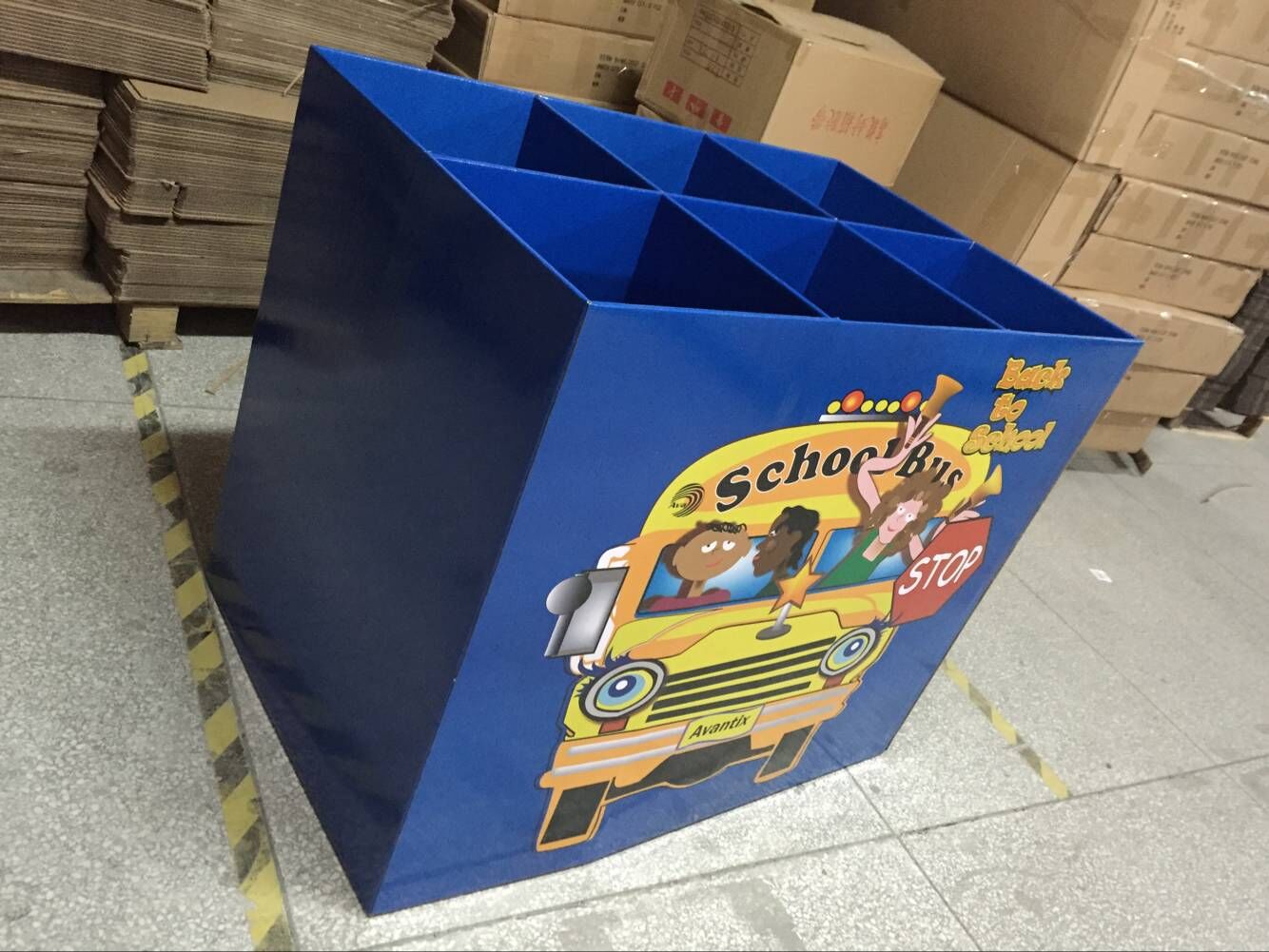
Compartments with a purpose
Separate product types where it helps shoppers choose. Discuss compartment size, usable depth and replenishment with the actual packs, before committing to the layout.
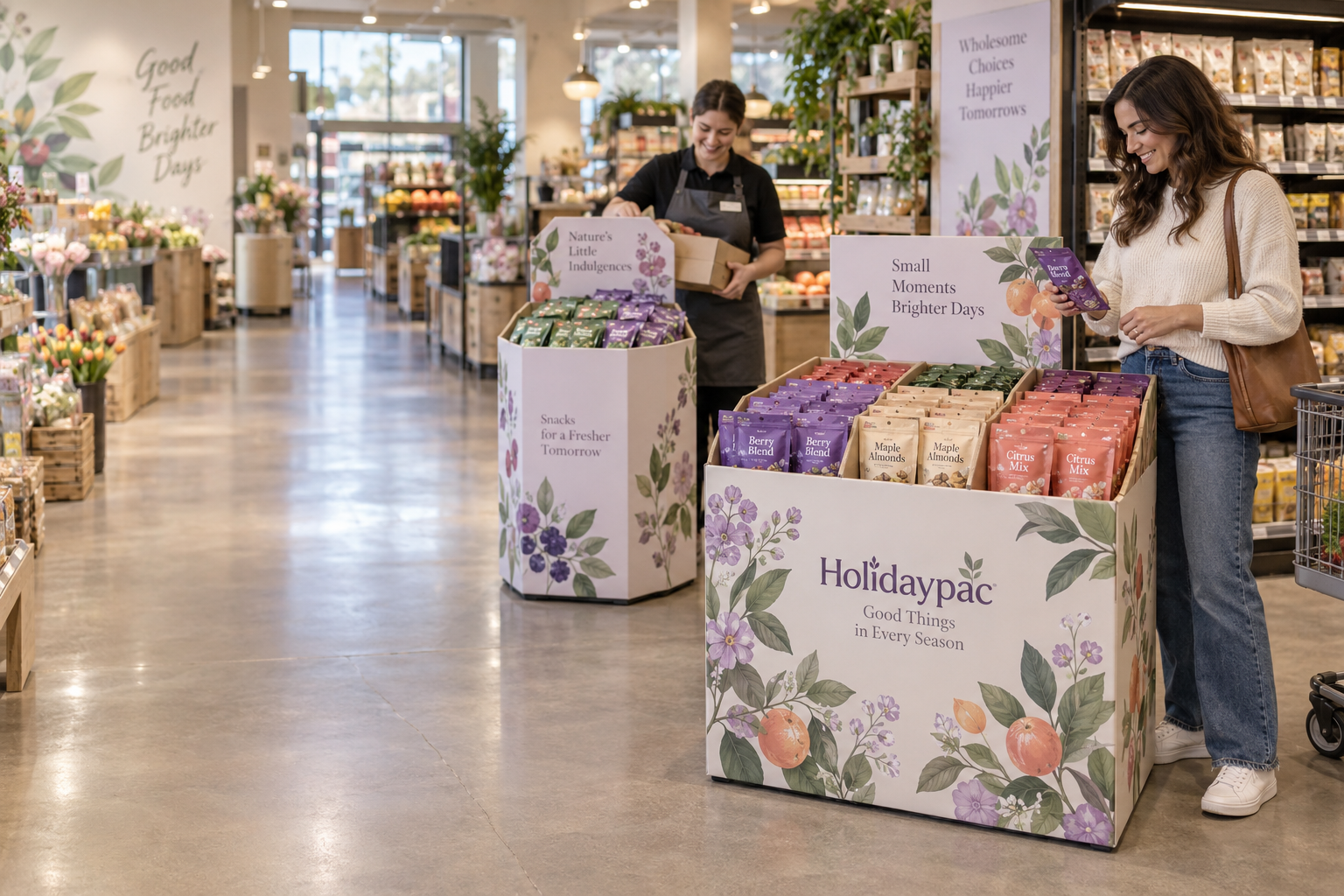
Bring your promotion into reach. Holidaypac develops printed cardboard bins around your products, capacity and store space.
From nature. Back to nature.Inspired by Zhuangzi’s wisdom.
Holidaypac retail concept · AI-generated supermarket scene


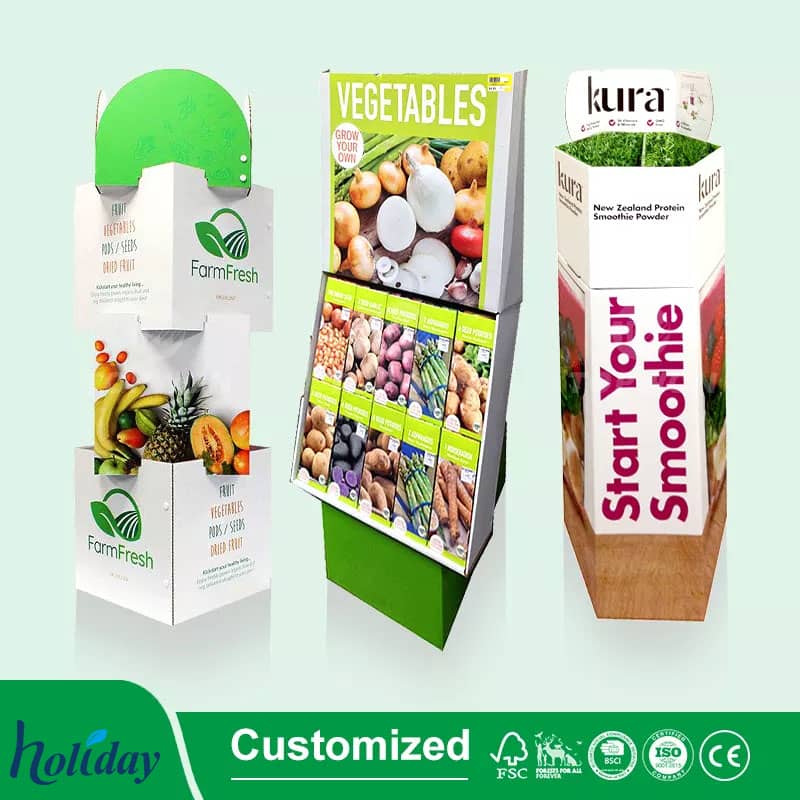


A good dump bin makes the product easy to reach and the promotion easy to understand. Holidaypac brings structural design, printed packaging and export project communication together, with physical samples to turn a retail brief into an agreed construction.
Separate product types where it helps shoppers choose. Discuss compartment size, usable depth and replenishment with the actual packs, before committing to the layout.
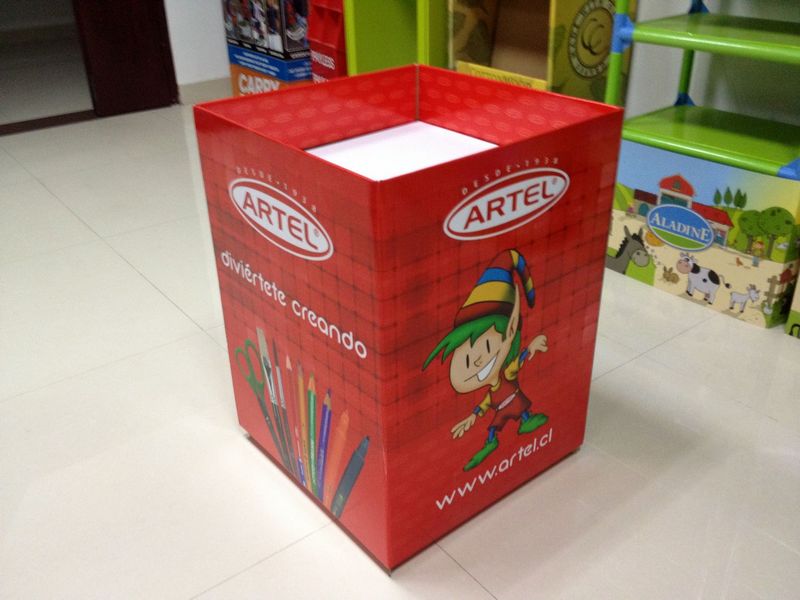
Bring the message onto the faces shoppers see. Review panel alignment, the opening and the print reference together, so graphics support the way the display is used.
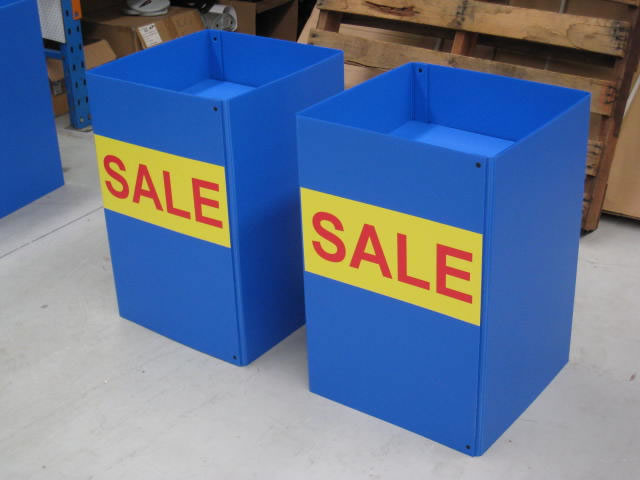
A simple open-top format can suit a focused promotion. Agree the finished footprint, assembled shape and delivery format, then document the setup steps for store teams.
An open bin supports browsing through a group of products. A shelf, hook or tray may suit an assortment that needs a different presentation. Compare the pack shape, available floor space and replenishment routine before choosing.
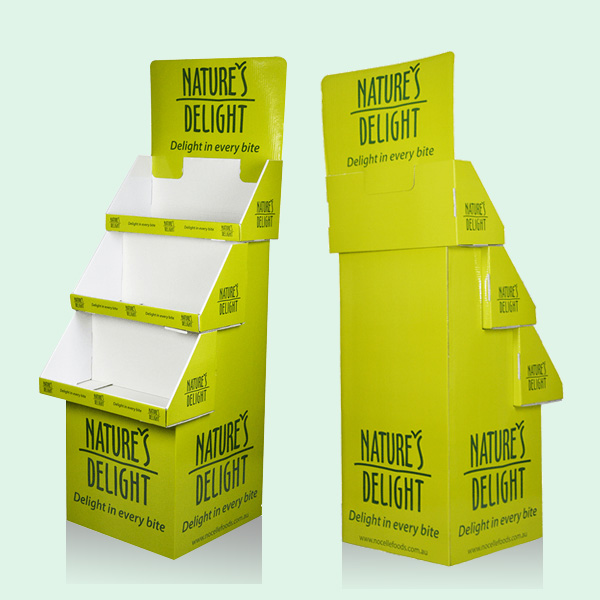
Freestanding shelving for individually merchandised products; compare aisle space and shopper access.
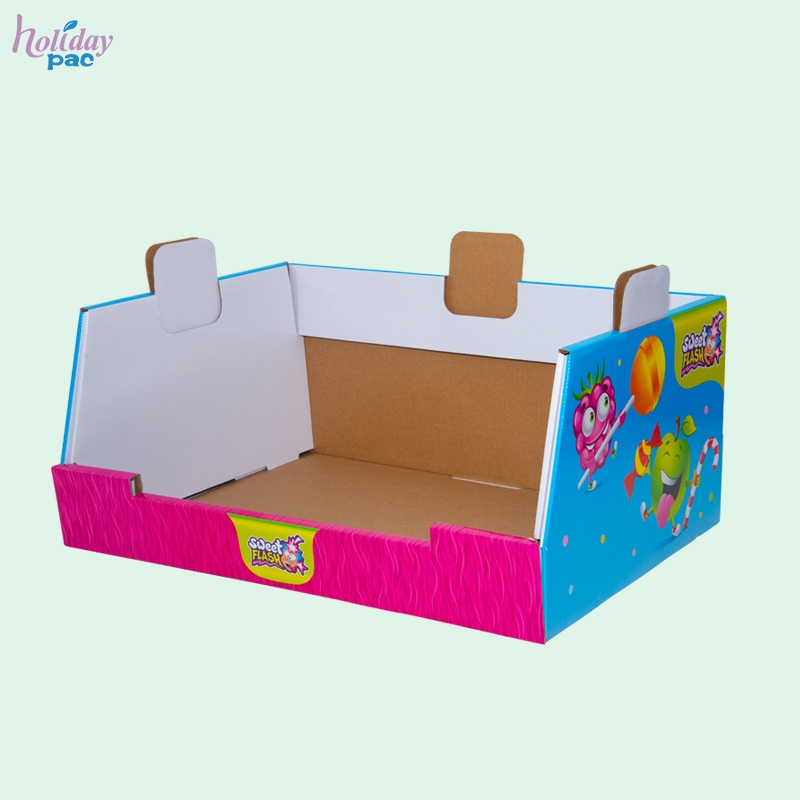
Open product trays that can also form part of a layered pallet merchandising system.
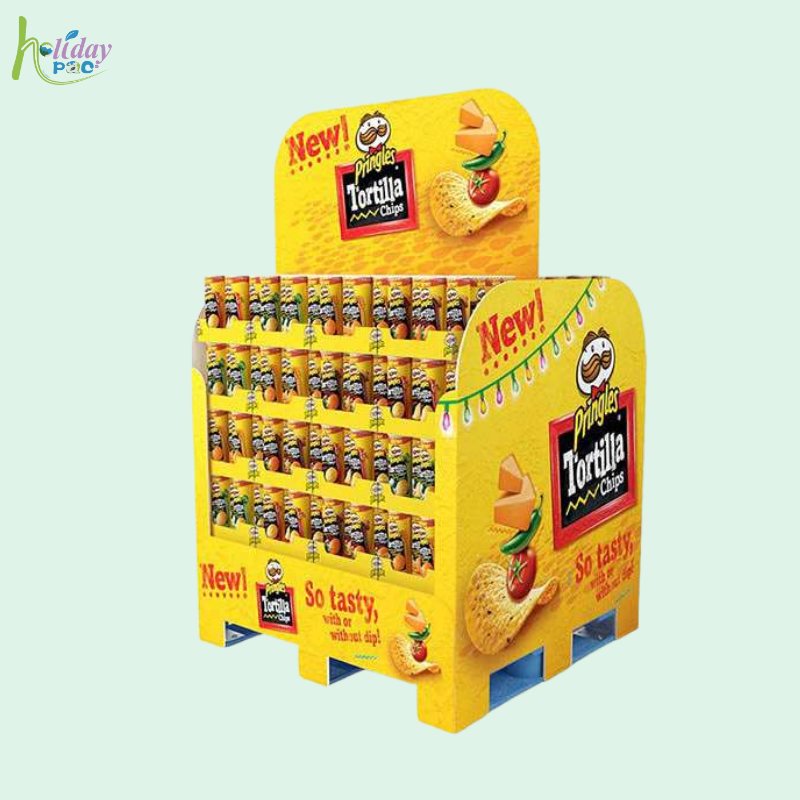
Compare pallet-based merchandising when the footprint, product load and store handling call for a larger format.
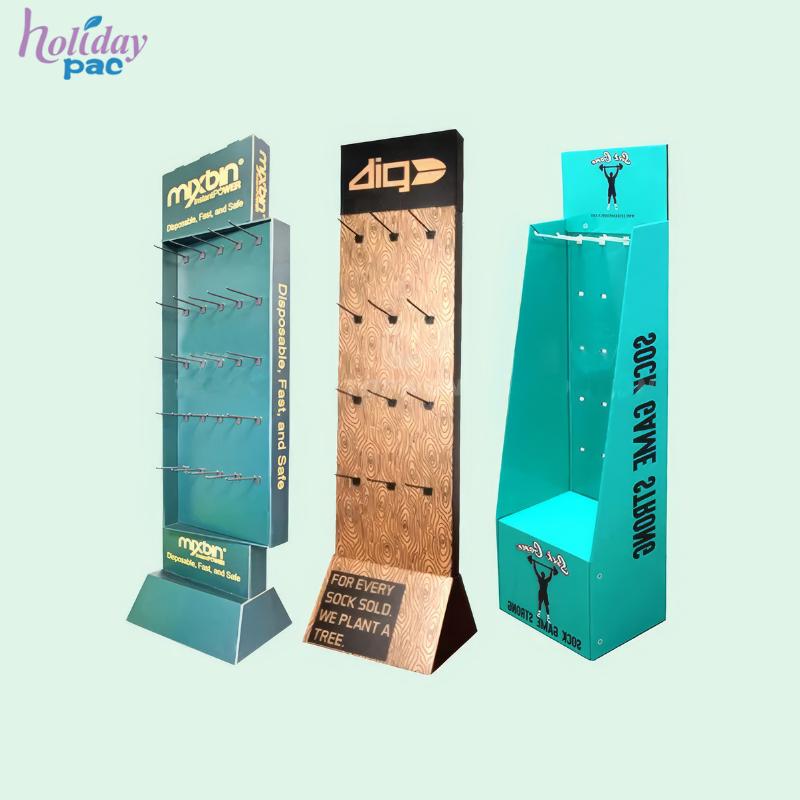
Hanging displays for products with suitable hanging tabs, including accessories and small packs.
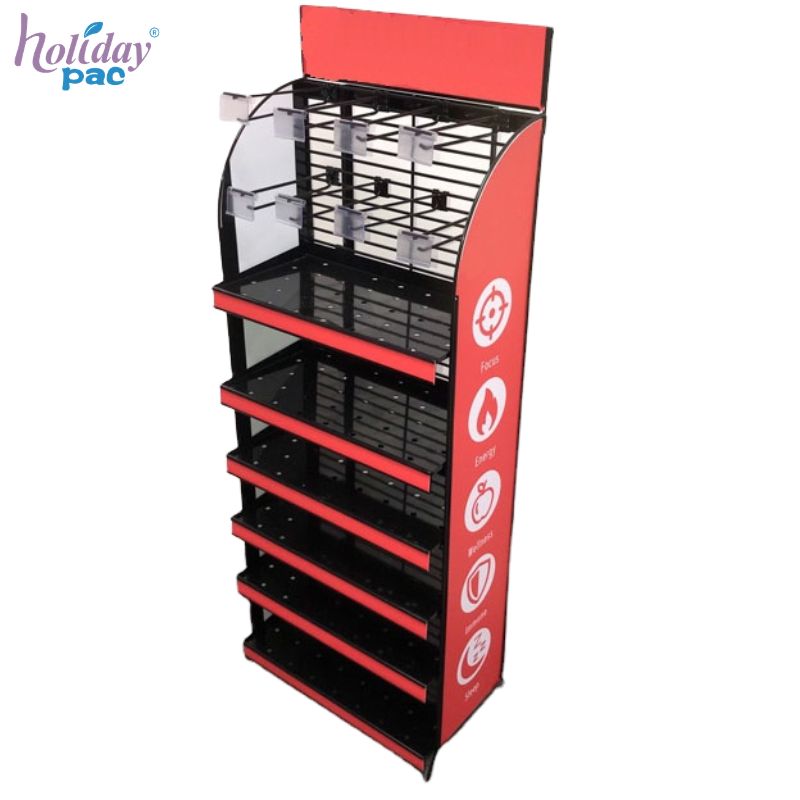
Compare material, service conditions and reuse plans when a different structural approach is needed.
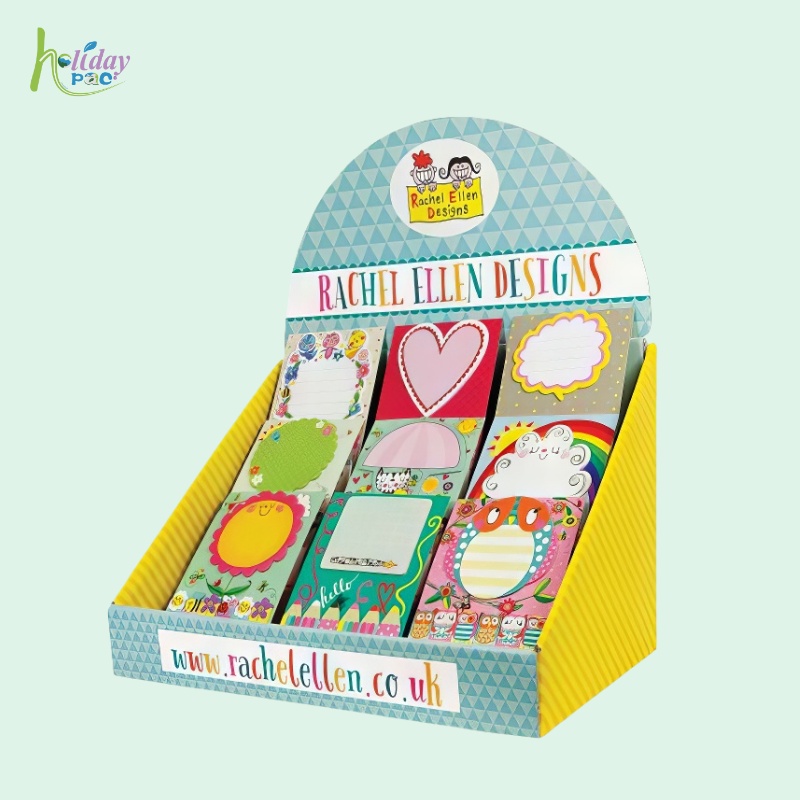
Compact countertop formats for checkout areas and smaller product assortments.

People behind the structure
Work through the sample with the team. For your dump bin, confirm rim height, reach, product fit and the supporting structure using the intended merchandise.
Bring the campaign to life
Check visible panels, the header and fold positions against the artwork. Keep the campaign readable with products loaded and review any required SKU separation.
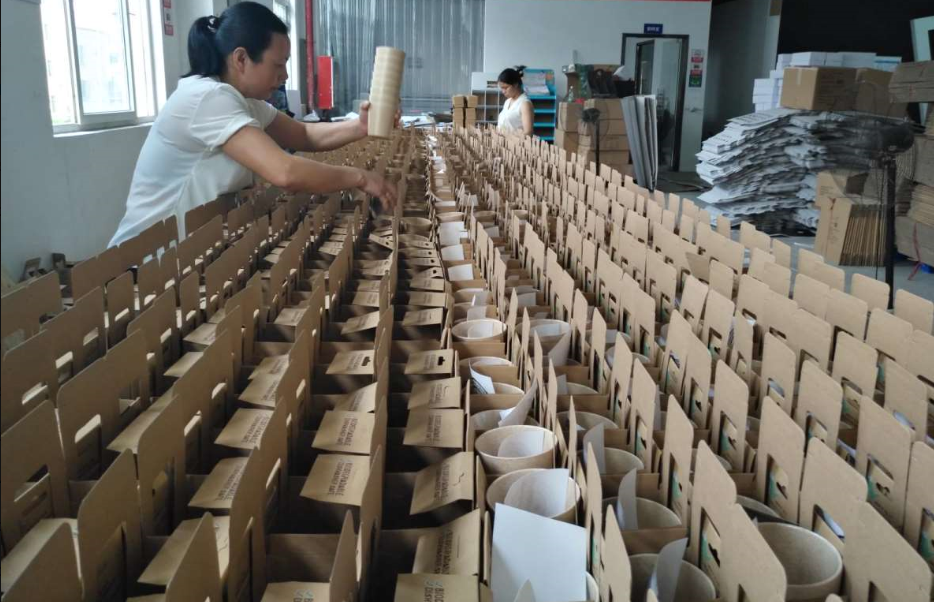
Care in the working details
Review how folds, joints and inserts come together. Agree the bottom support and test the sample with the intended load before confirming the construction.
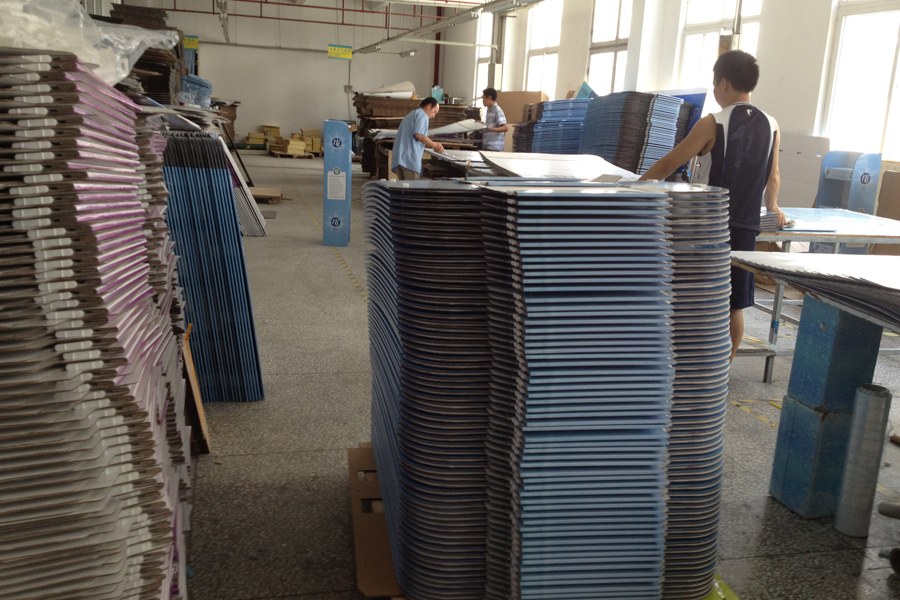
Make store setup straightforward
Agree flat or assembled supply, protection and carton identification. Give the receiving team clear assembly and replenishment instructions for the final bin.
Real Holidaypac team and sample photographs show the people and practical work behind our displays. The images cover different projects; your dump bin is developed against your own product and store brief. Explore display templates
A cardboard dump bin is an open-top retail display that groups products inside a printed container. It can use a simple open cavity, partitions or a raised internal platform. The right construction depends on pack size, product weight, the quantity displayed and how shoppers reach the remaining products.
A broad opening works for an assortment shoppers browse together. Compare the promotional sale bins with your product dimensions and display position.
Compartments can separate shapes, colors or SKUs. The stationery bin example shows one approach; confirm the actual insert layout for your range.
A header provides a visible campaign message. Review its height and stability alongside the bin, including the pencil case display example.
A supported platform can change the usable depth as stock levels change. The adjustable cereal display is a reference for discussing the mechanism, support and load.
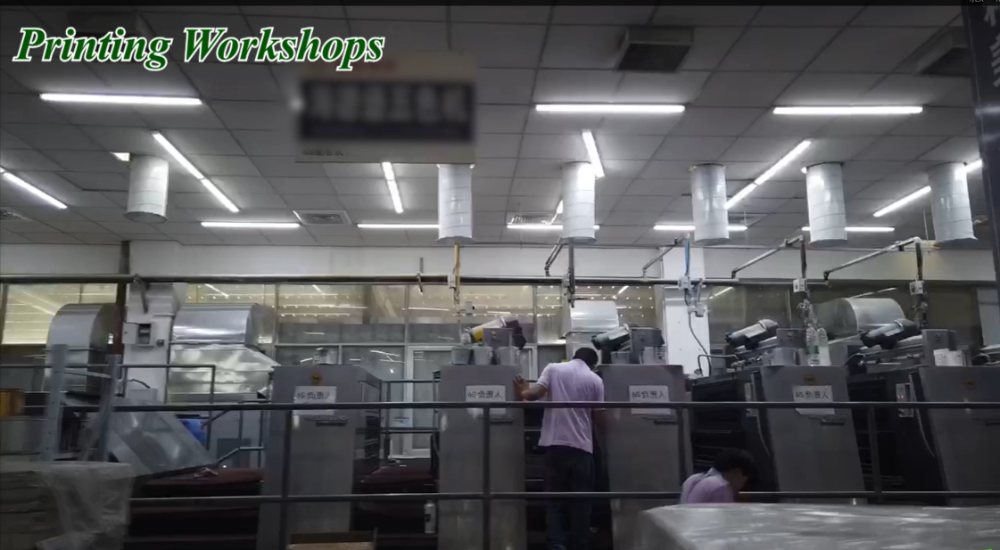
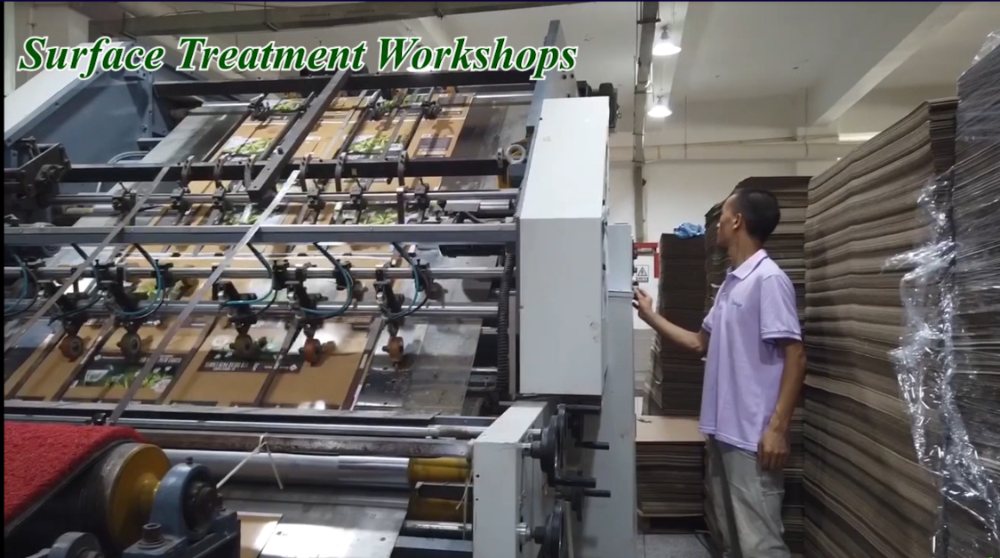
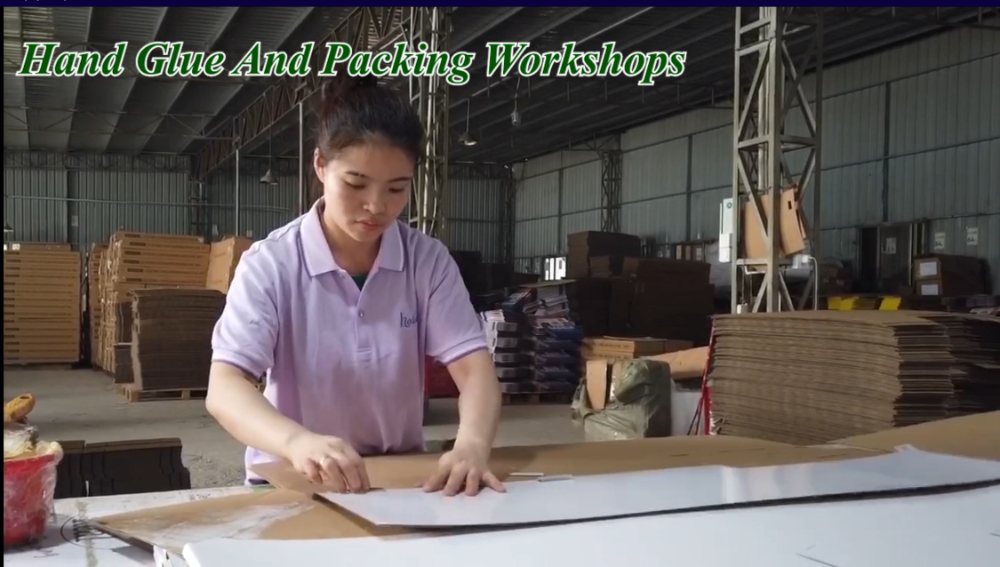
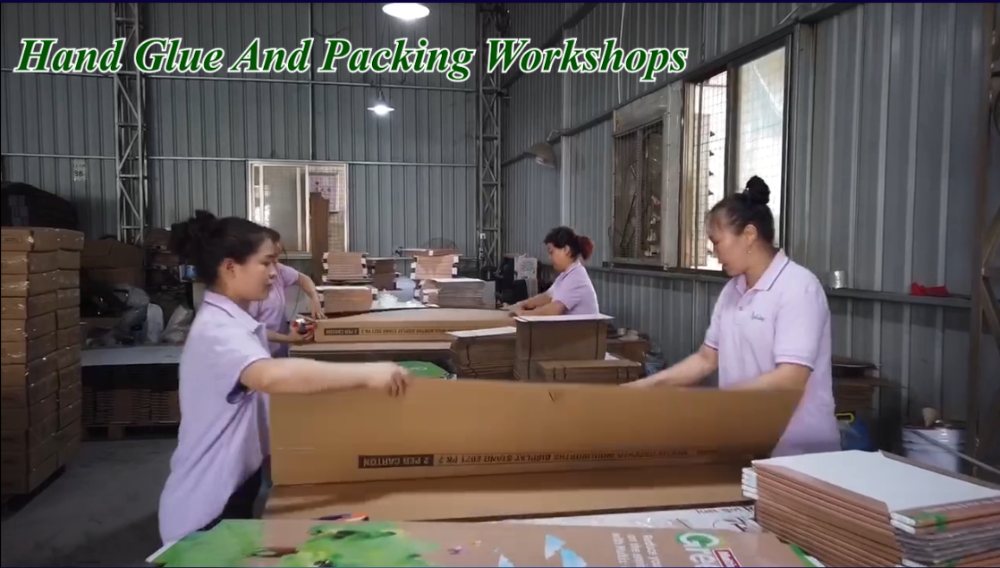
The approved sample and artwork should lead to a clear production brief. These Holidaypac workshop references support the discussion; the agreed material, load and inspection criteria remain specific to your order.
Printed Panels | Board & Finish | Assembly & Inserts | Packing & Handover |
|
|
|
|
Check approved colors, panel alignment, header graphics and any required product identification. | Specify board, flute and surface finish around the intended load, display period and handling conditions. | Review fold lines, joints, partitions and the bottom or raised platform against the approved sample. | Agree flat or assembled supply, protection, carton identification and usable setup instructions. |
Small products may benefit from separated groups and a reachable opening. Compare pencil cases and stationery before planning your SKU mix.
Review pack visibility, weight and replenishment. The biscuit display and seasonal candy display offer different structural starting points.
Consider browsing access, sharp pack edges and the changing shape of the assortment. See the book bin and toy promotion examples.
Gross unit weight, loaded quantity and the supporting structure need to be reviewed together. For larger merchandising footprints, compare pallet displays.
A full bin and a nearly empty bin present different shopping conditions. Bring real products into the sample review and agree the checks before production.
Check the opening and product level at the start and end of a promotion. Ask someone to remove a pack from the lowest intended stock level.
Provide gross unit weight and the target quantity. Review support, panel deflection and stability under the agreed load and use conditions.
Define who replenishes the bin, how often and whether products must remain separated. Check access to the insert and the order in which packs are loaded.
Confirm aisle clearance, floor condition and the retail location. Review the header, store handling and any retailer-issued requirements as part of the brief.
Our company materials emphasize honest business, patient communication, practical design advice and quality checks. We apply those principles to the decisions that determine whether a display is straightforward to produce, ship and use.
Make the product brief, sample changes and outstanding questions clear. Agree responsibilities and acceptance criteria before production.
Choose a construction around your merchandise and retail routine. Discuss where an insert, stronger support or a different display format would help.
Use the agreed sample and artwork as the reference for dimensions, print, assembly and packing. Keep the handover instructions usable for the receiving team.
From nature. Back to nature. This principle encourages considered material use. Confirm the specific board, coatings and end-of-use route for your market rather than relying on a blanket environmental claim.
1. Q: What is the difference between a dump bin and a shelf display?
A: A dump bin groups products inside an open container; a shelf display presents them on separate levels. Choose around pack shape, browsing behavior, product separation and replenishment access.
2. Q: Can a dump bin have dividers or a raised bottom?
A: Yes, these are structural options to discuss. Confirm compartment sizes, usable depth, insert support and the intended product load with a physical sample.
3. Q: How many products can a cardboard dump bin hold?
A: Capacity depends on usable internal space, packed product dimensions and weight, the insert and the supporting structure. Share the target quantity and review both a full and partly empty sample.
4. Q: Can you print our branding and seasonal promotion?
A: Share your artwork, print reference and campaign details. Review the visible panels, header, fold lines and product identification against the sample before approving the printed design.
5. Q: Are dump bins supplied flat-packed or assembled?
A: Agree the supply format in the quotation. Confirm assembly steps, inserts, packing protection, carton markings and who loads the products at the destination.
6. Q: What do you need to quote a custom dump bin?
A: Send product dimensions and gross unit weight, target quantity per bin, SKU mix, footprint and height limits, order quantity, artwork status, delivery destination and required date. Price, minimum order quantity and timing are confirmed against the project brief.
Tell us what you are displaying, how many packs each bin should hold and where it will be used. Add your quantity, dimensions and artwork to help us review a suitable structure. Ask Holidaypac to review your project
Links