Start with the product

Holidaypac sample-training archive · 2017
A structure is useful only when it fits the packed product. Bring the product size, weight and desired pack count into the design discussion before choosing the carton format.
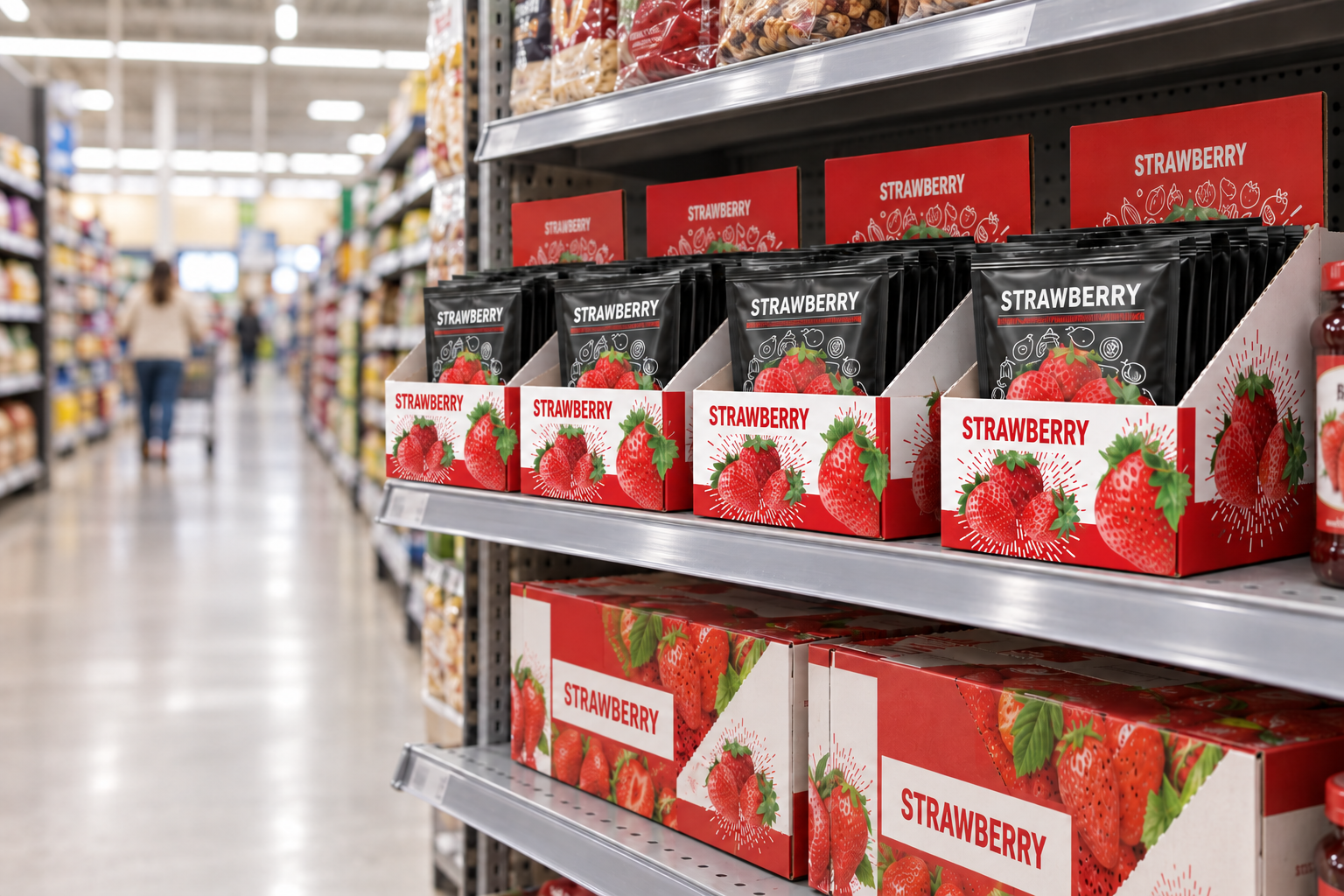
From the closed carton to the open display tray, the details matter. Work with our team on product fit, the tear path, artwork and physical sample review.
From nature. Back to nature.Inspired by Zhuangzi’s wisdom.
AI retail concept • Illustrative packaging and shelf placement
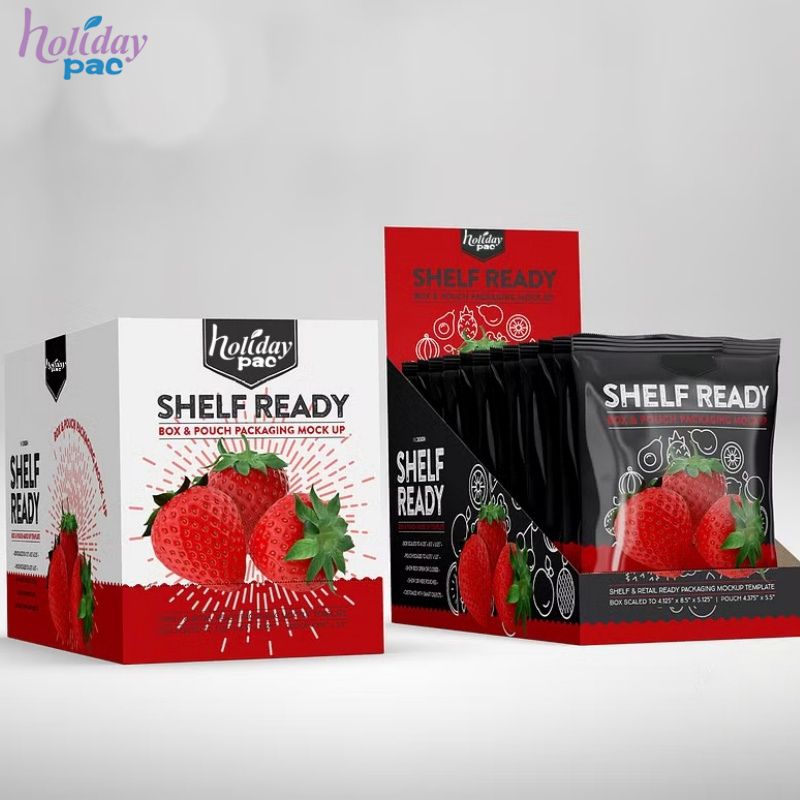
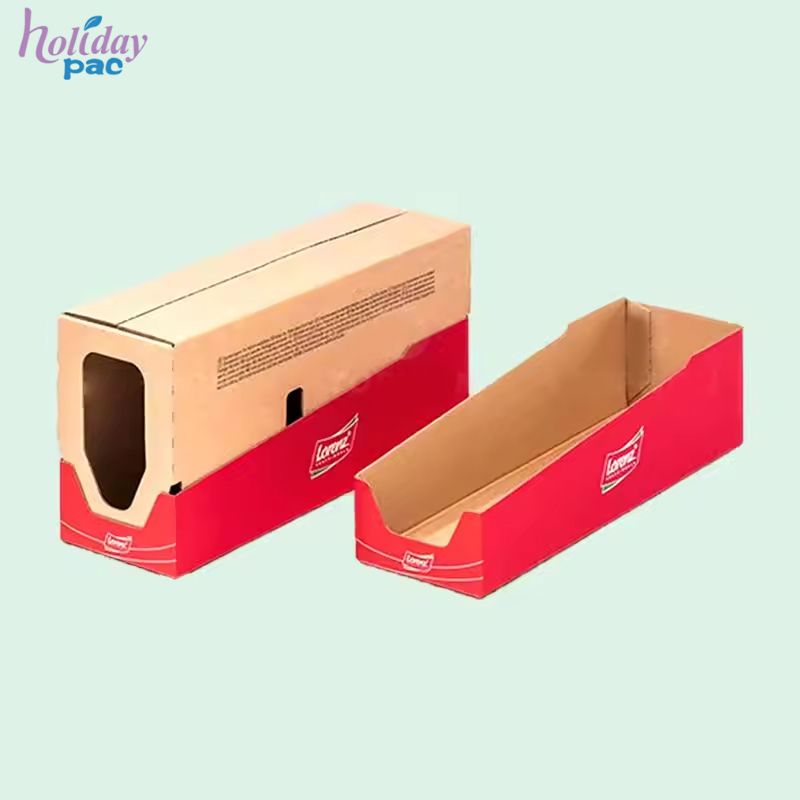

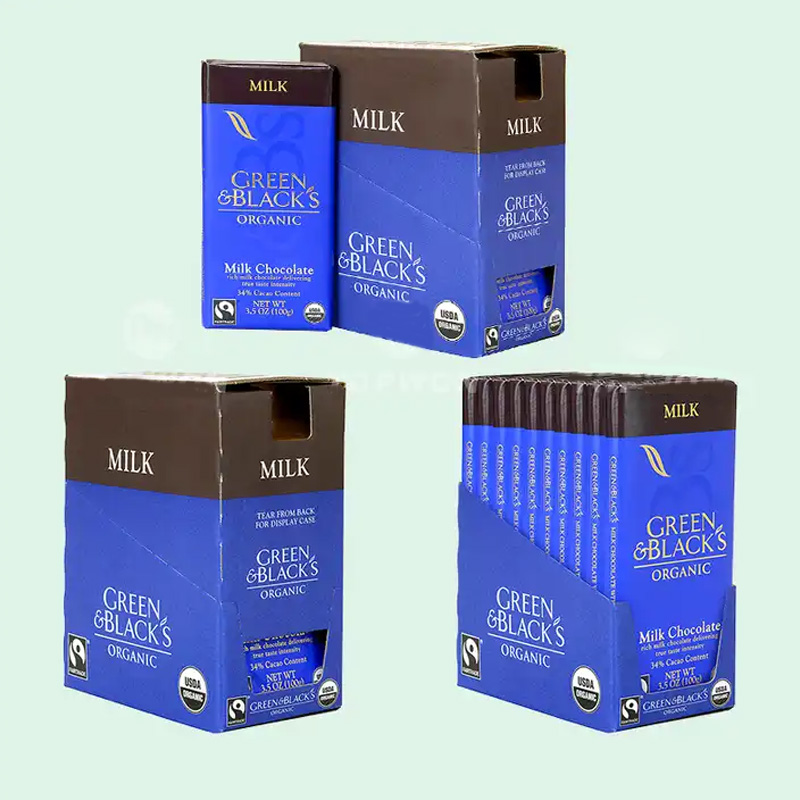
【1】The People and Practical Work Behind Your Packaging
Holidaypac brings structural design, packaging production and export project communication together. We start with the product that must fit inside, then work through the opening, artwork and sample details with you.
Holidaypac sample-training archive · 2017
A structure is useful only when it fits the packed product. Bring the product size, weight and desired pack count into the design discussion before choosing the carton format.

Holidaypac team-learning archive · 2017
Our company materials emphasize patient guidance and practical material and structure recommendations. Clear questions, drawings and sample feedback help turn a brief into a usable packaging solution.
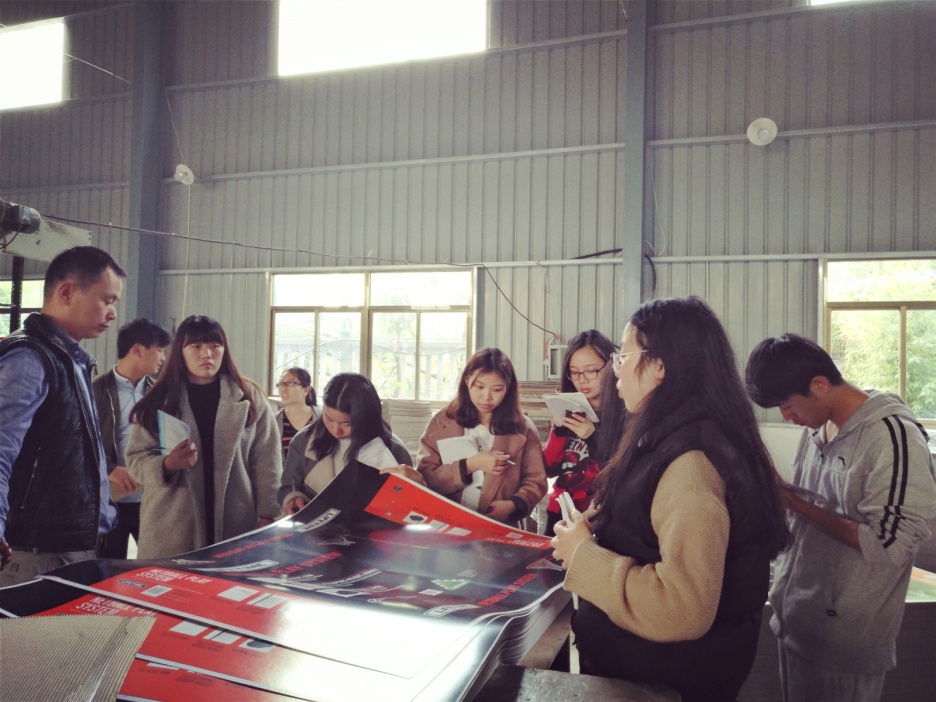
Holidaypac print-review training archive · 2017
Our inspection checklist covers print, dimensions, assembly and packing checks. Agree the checks that matter for your tear-away carton and compare the result with the approved project details.
【2】 Compare Related Retail Display Formats
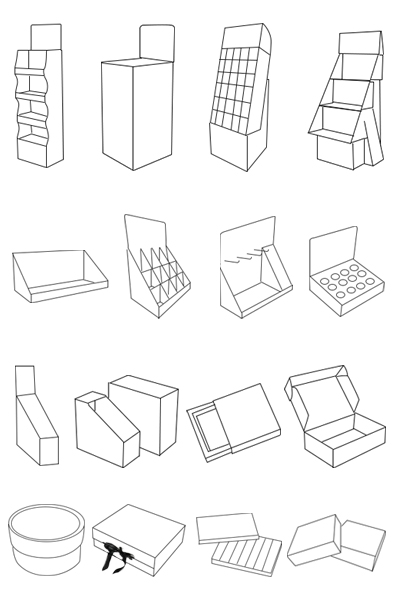
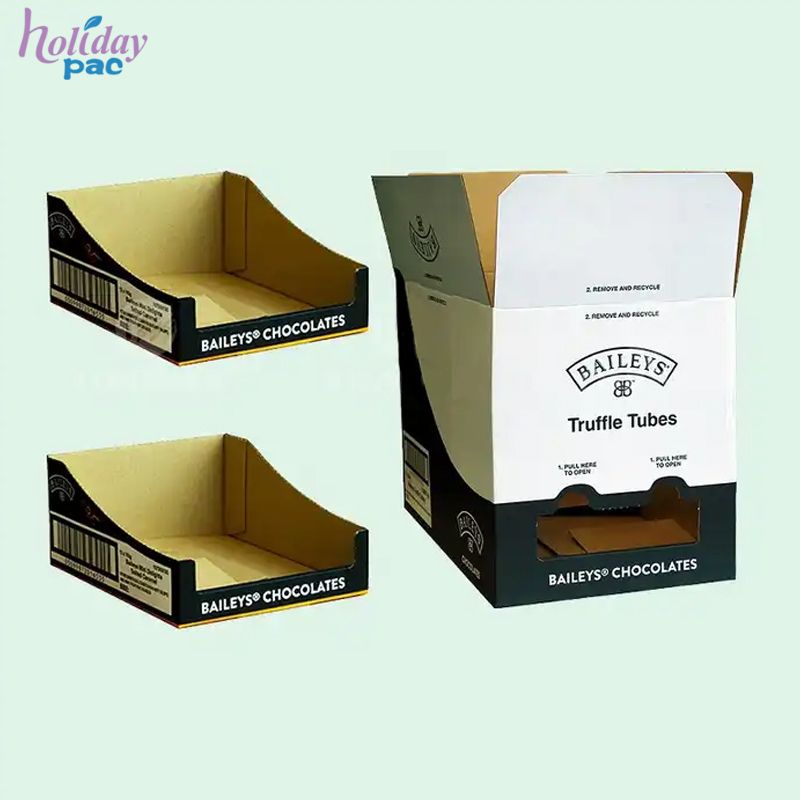
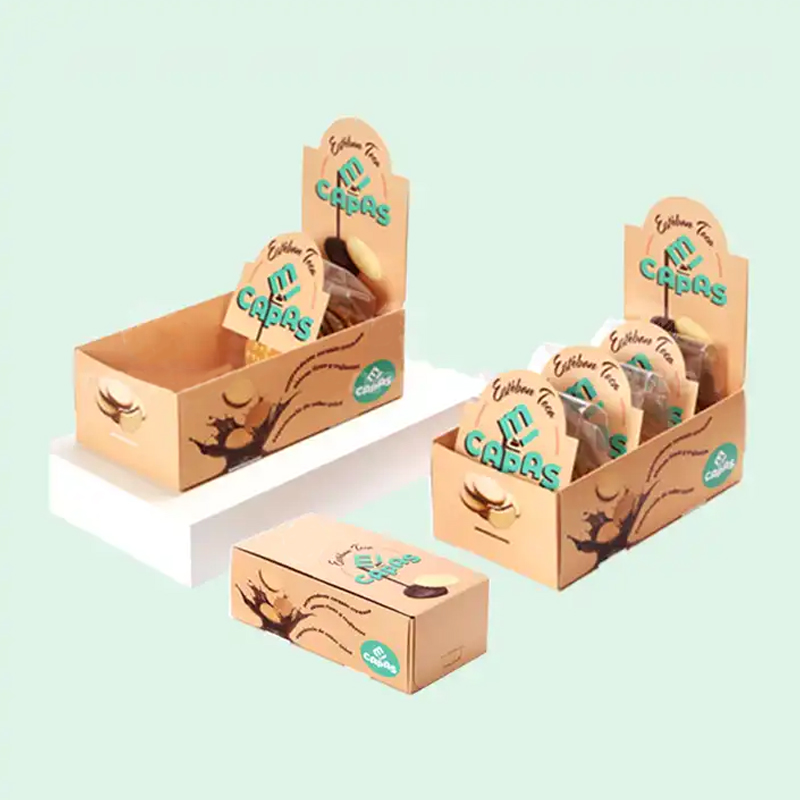
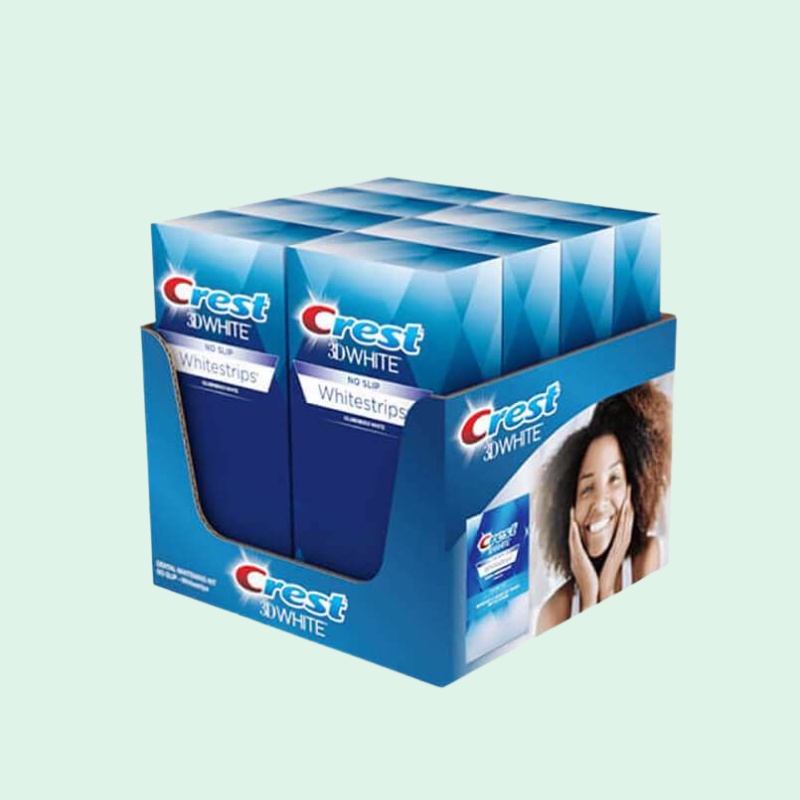
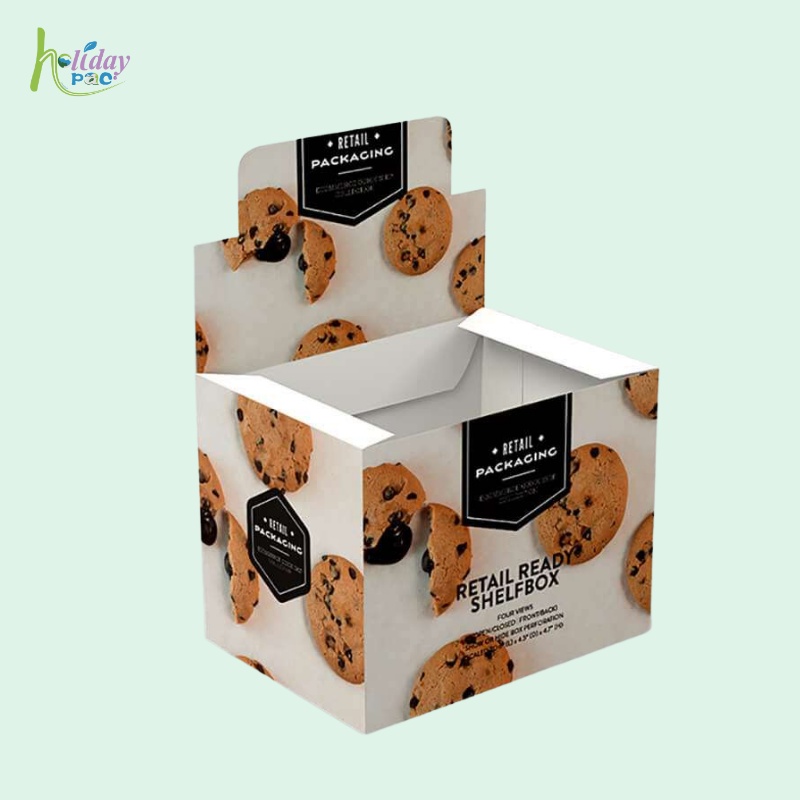
A tear away box is one possible way to create shelf-ready packaging. Compare the format with shelf-ready and retail-ready packaging for broader replenishment needs, PDQ trays for open merchandising, or counter displays where the main constraint is checkout space. These categories overlap, but their structures and store setup requirements are not identical.
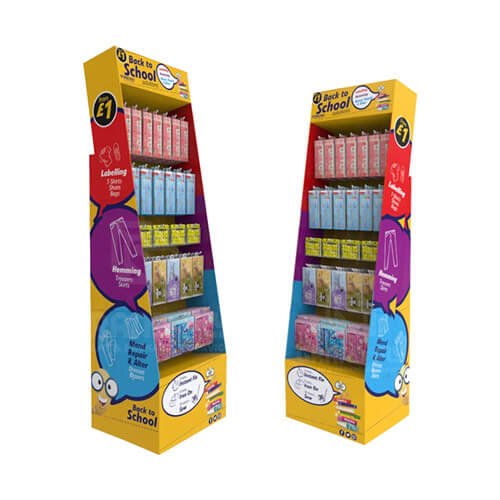
Compare this retail display format with your product dimensions, available space and store setup requirements.
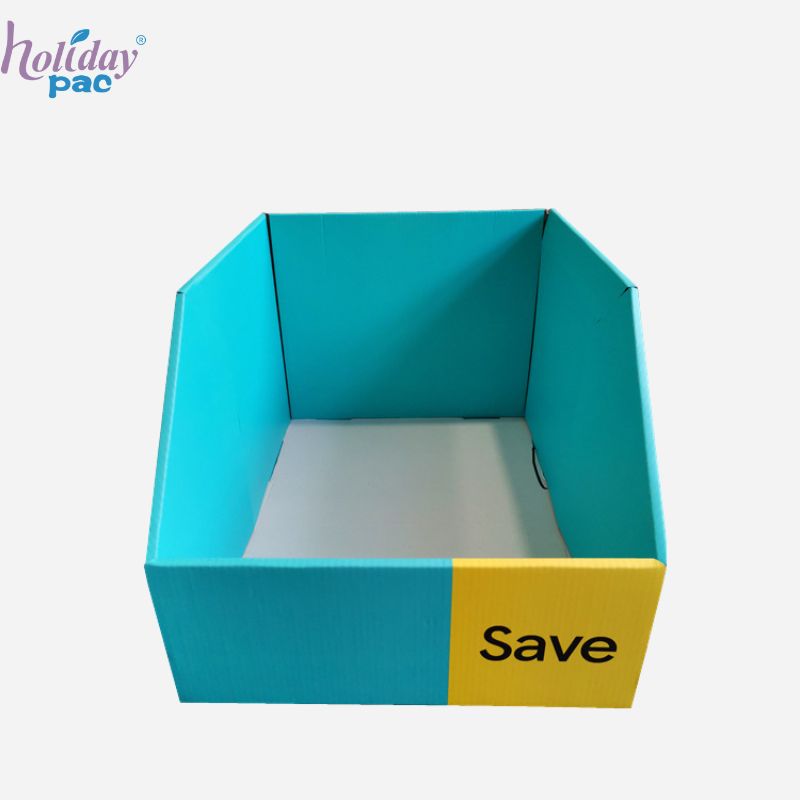
Compare this retail display format with your product dimensions, available space and store setup requirements.
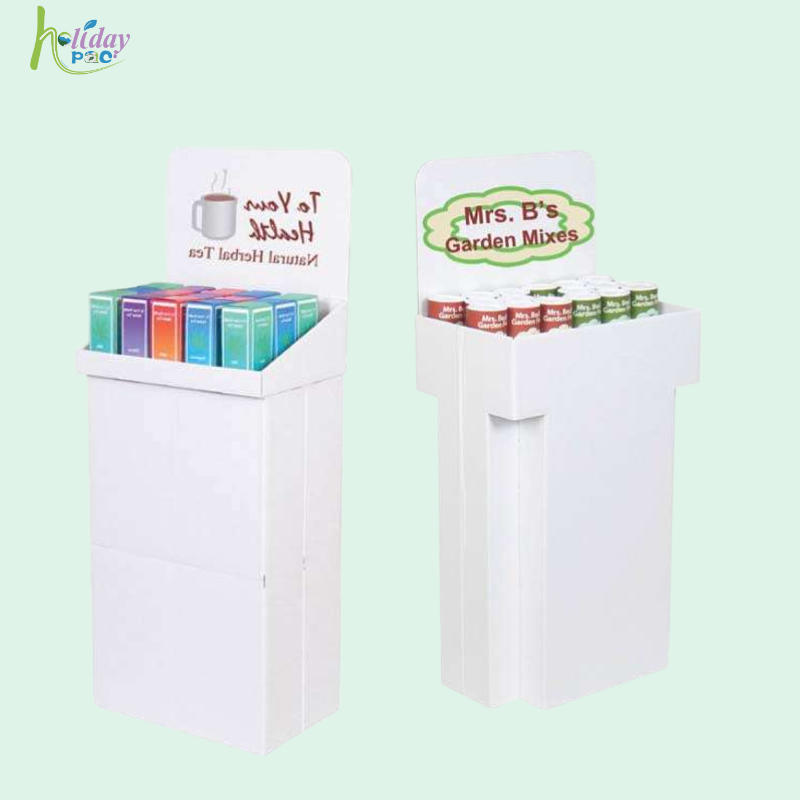
Compare this retail display format with your product dimensions, available space and store setup requirements.
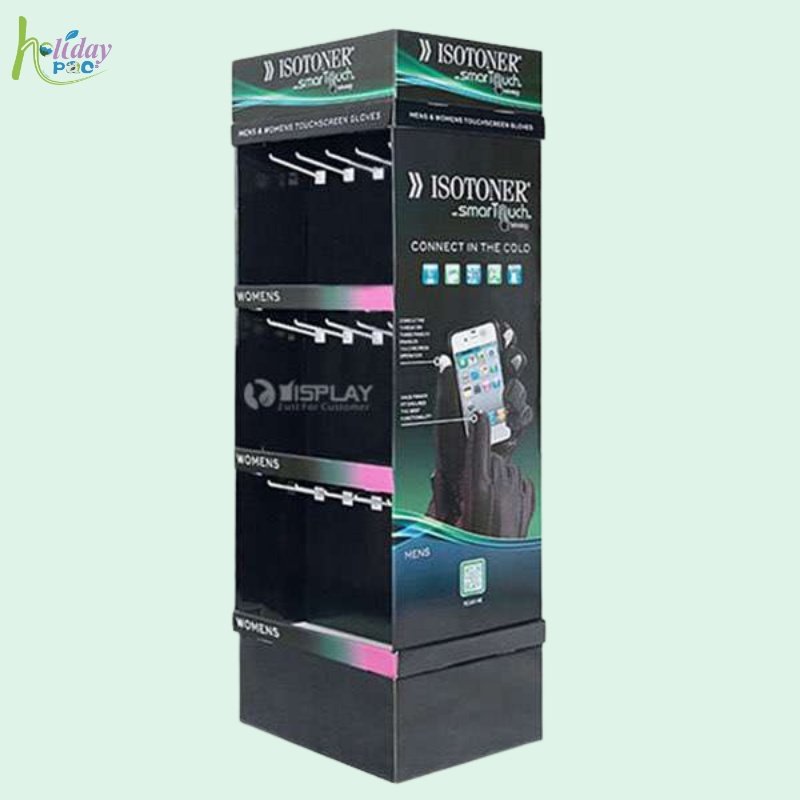
Compare this retail display format with your product dimensions, available space and store setup requirements.
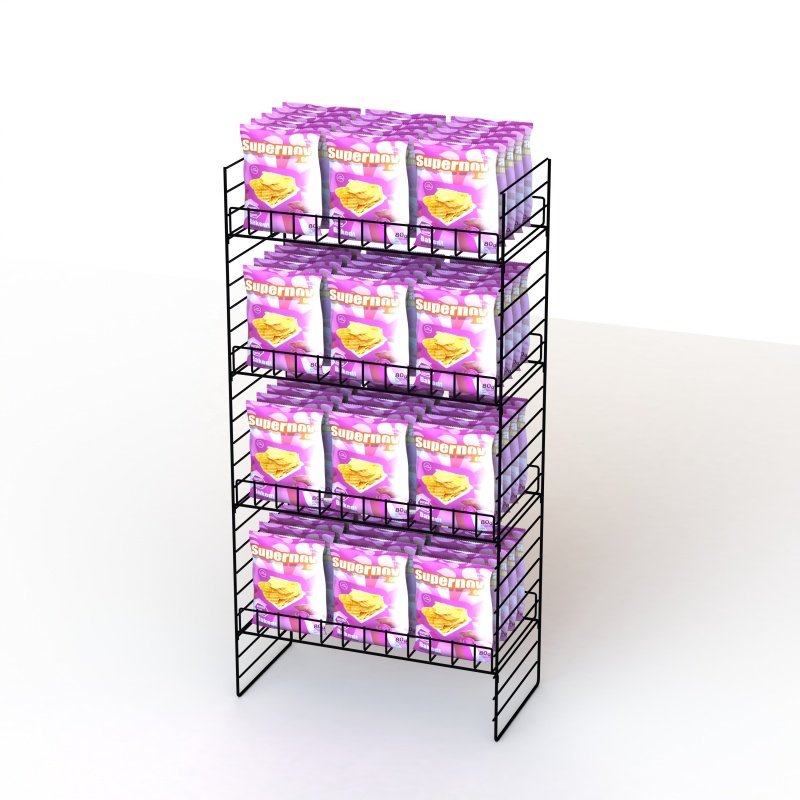
Compare this retail display format with your product dimensions, available space and store setup requirements.
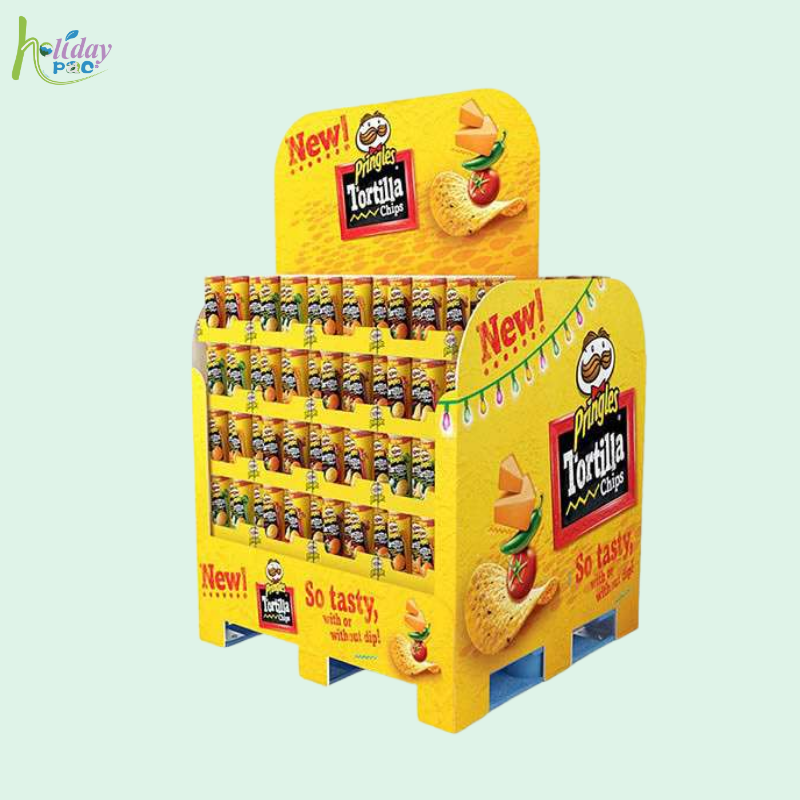
Compare this retail display format with your product dimensions, available space and store setup requirements.
【3】Real Samples: From Closed Carton to Display Tray
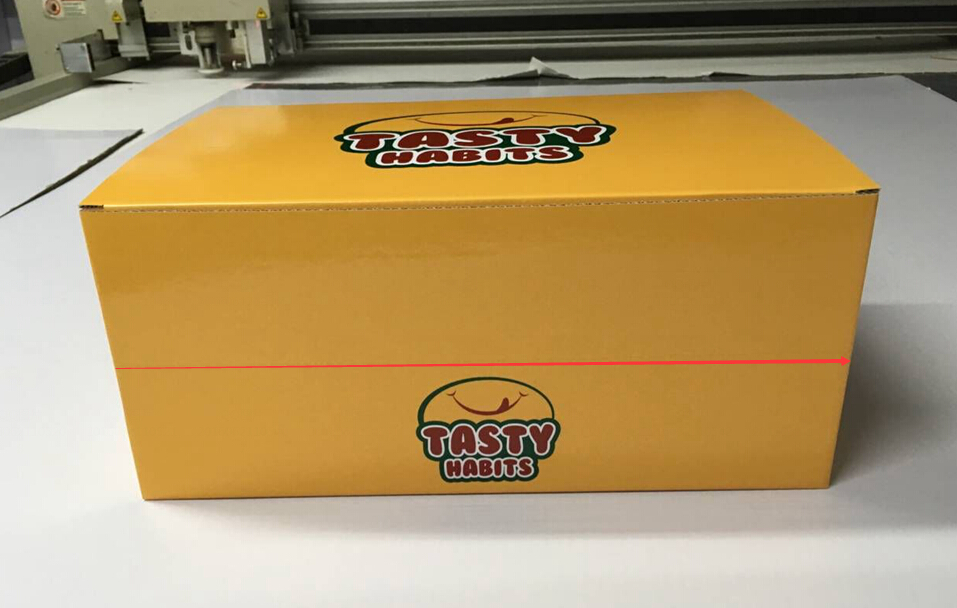
Start with the closed carton
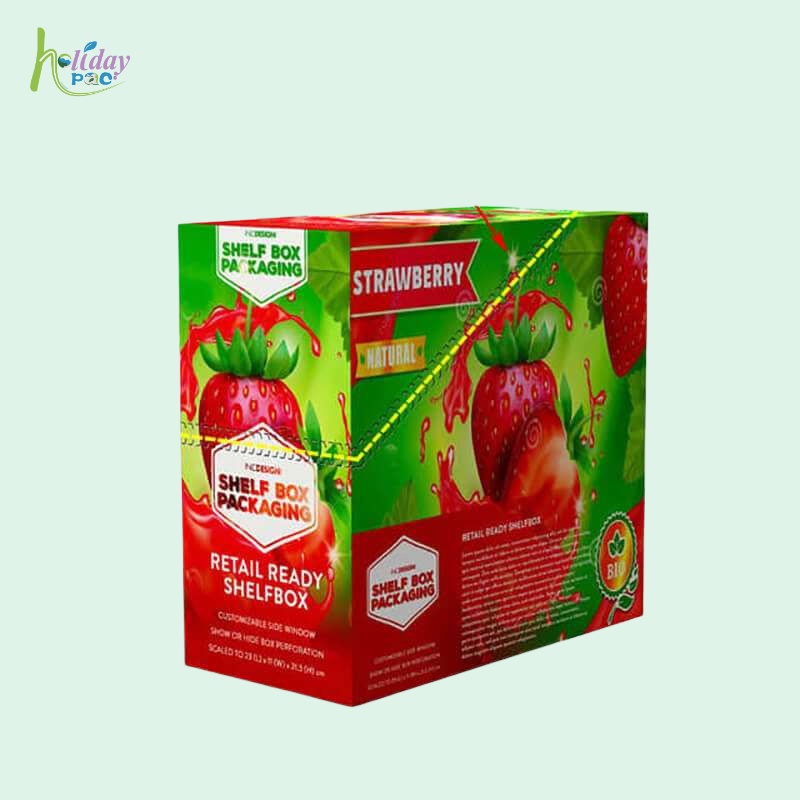
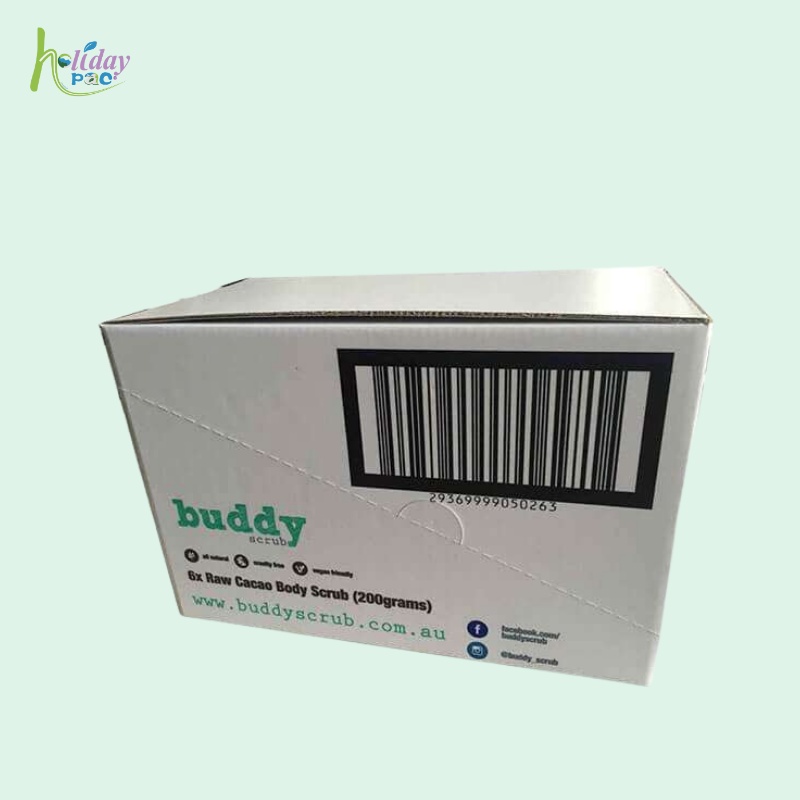
Review the overall format and the opening line on the printed sample. The front panel should match the agreed product structure.
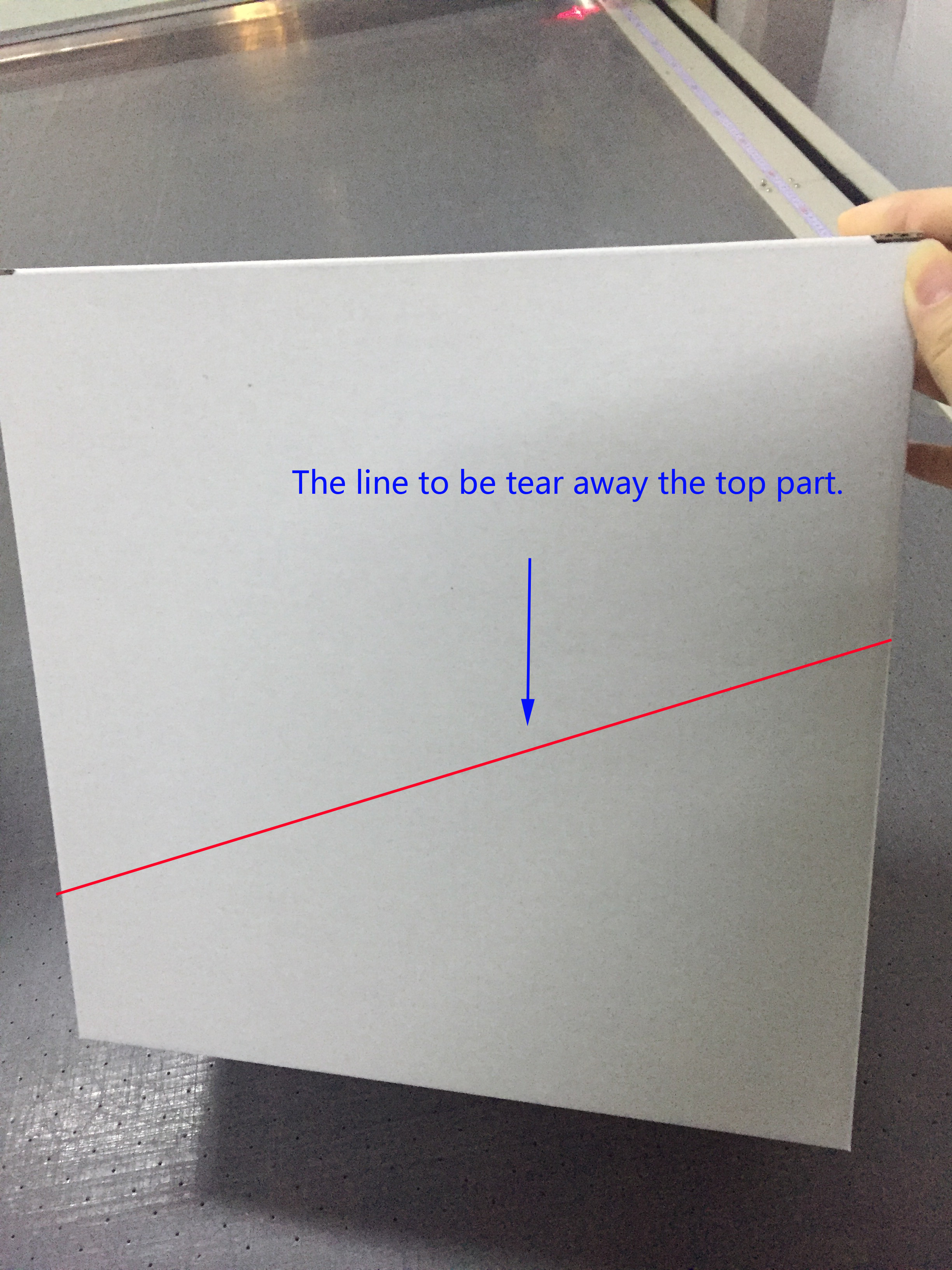
Define the removable area
Use a sample to discuss the tear path and the panel that remains. This separate close-up reference shows how an opening line can be marked.
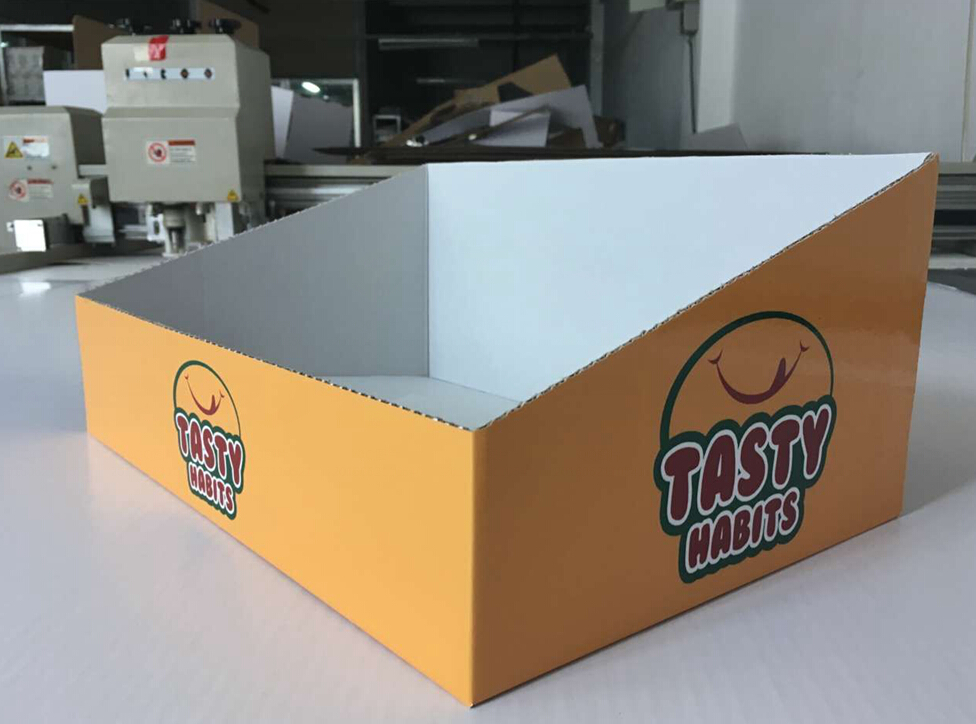
Check the retained tray
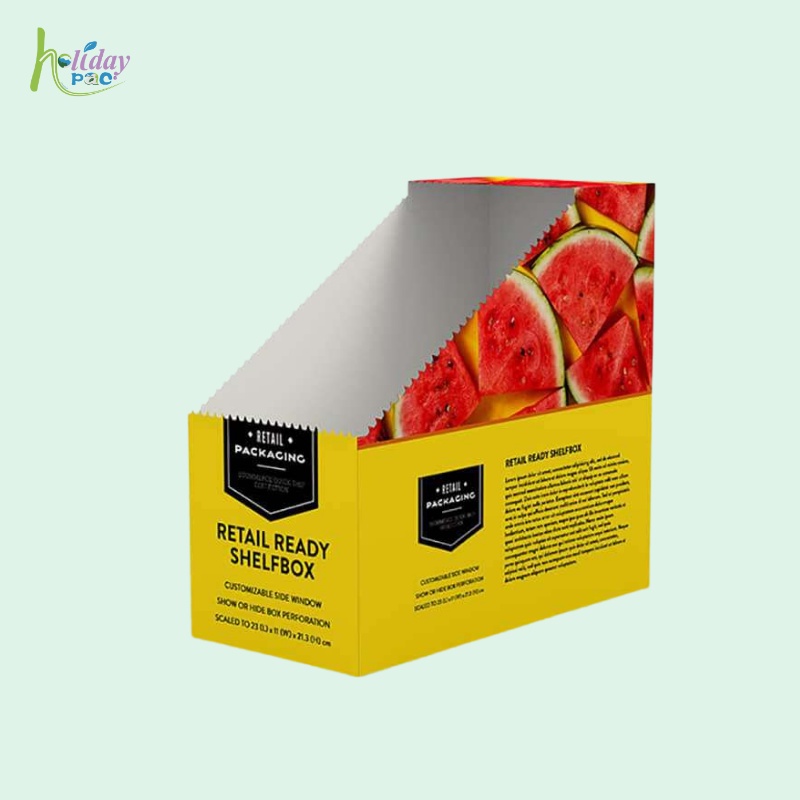
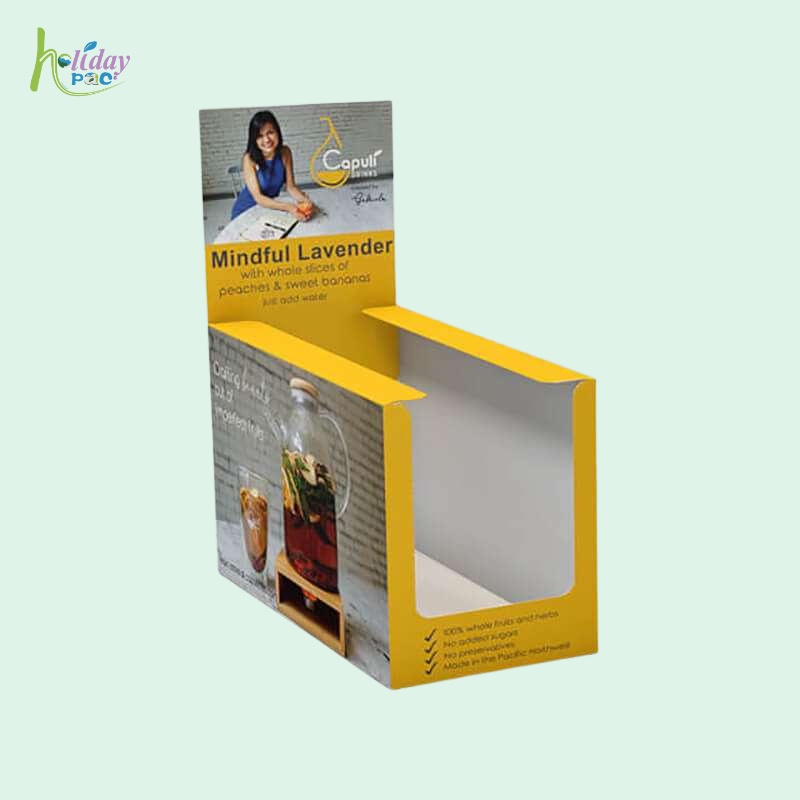
The matching yellow sample is shown after opening. Its front edge remains straight; review the remaining side walls and product access.
Review with people, not only pictures
Our training archive shows the team working with physical samples. For a new project, review your packed product, artwork and opening before approving the structure.
The closed and opened yellow cartons are matching archive samples. The marked tear-line close-up and training photograph are separate references, not photographs of the same production run. Explore display templates →
【4】 What Is a Tear Away Display Box?
A tear away display box is a retail carton designed so that a planned part of the outer box can be removed, usually along perforations, leaving a tray or display that holds the products. The terms tear off box and tear away box are often used for this format. The exact opening and remaining tray must be specified for the project.
Perforated cover or front. A removable section can reveal merchandise while the base and selected side walls remain. Compare the closed-cover and low-front display example and discuss the required opening sequence.
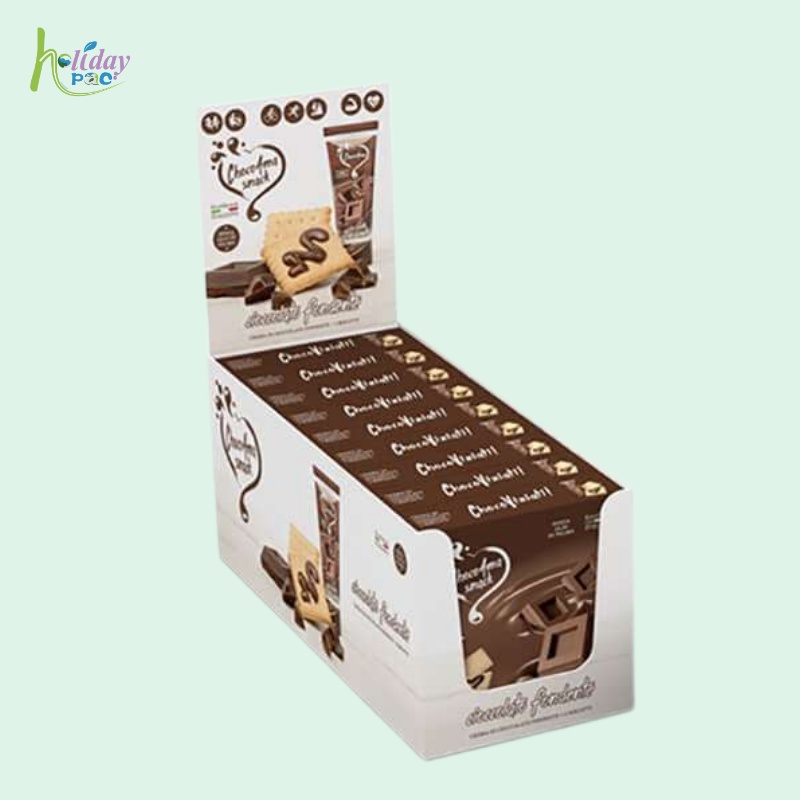
Closed carton to display tray. The chocolate tear away box example shows closed and display configurations. A photograph illustrates the format; it does not establish transport strength, a load rating or a confirmed tear force.
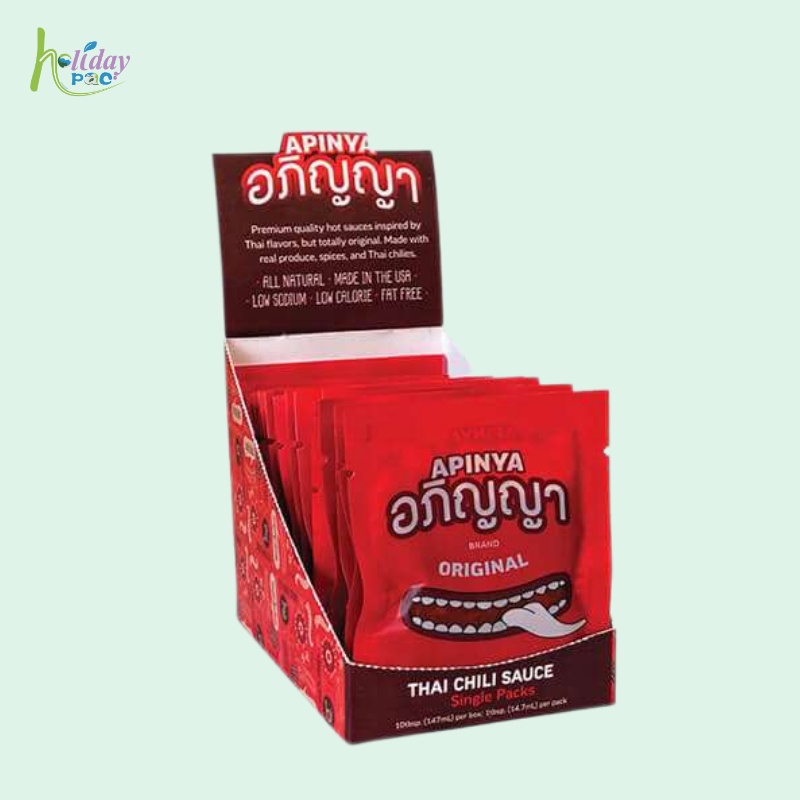
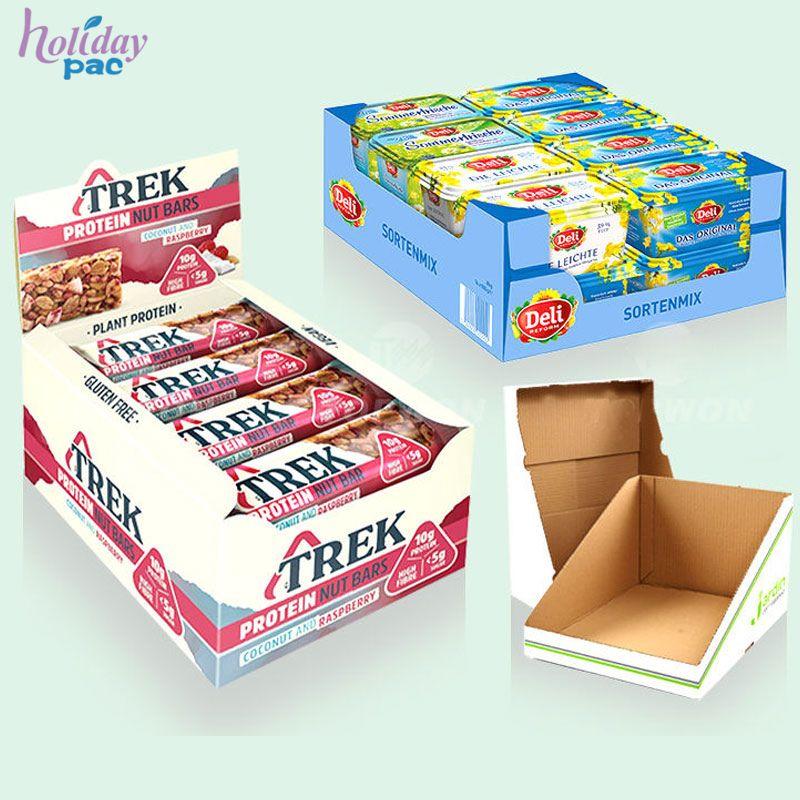
Open-front display alternatives. The snack and energy-bar display examples and paper display box examples show how the remaining tray can present products. Confirm whether your selected design uses perforation, a detachable lid or a separate cover instead of assuming all display boxes open the same way.
【5】 Production Checks for Perforations, Folds and Print
Print Reference | Board and Finish | Cutting and Assembly Review | Packing Plan |
|
|
|
|
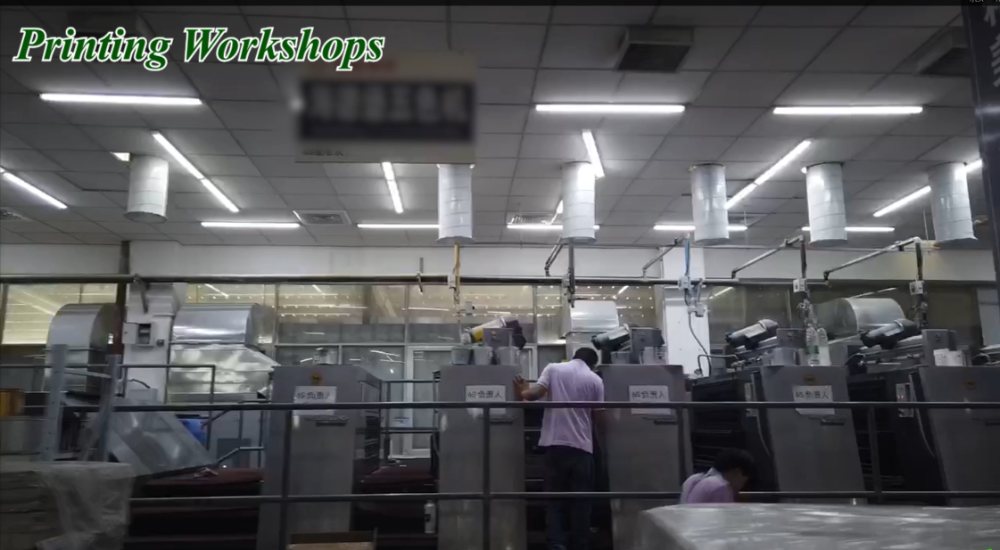
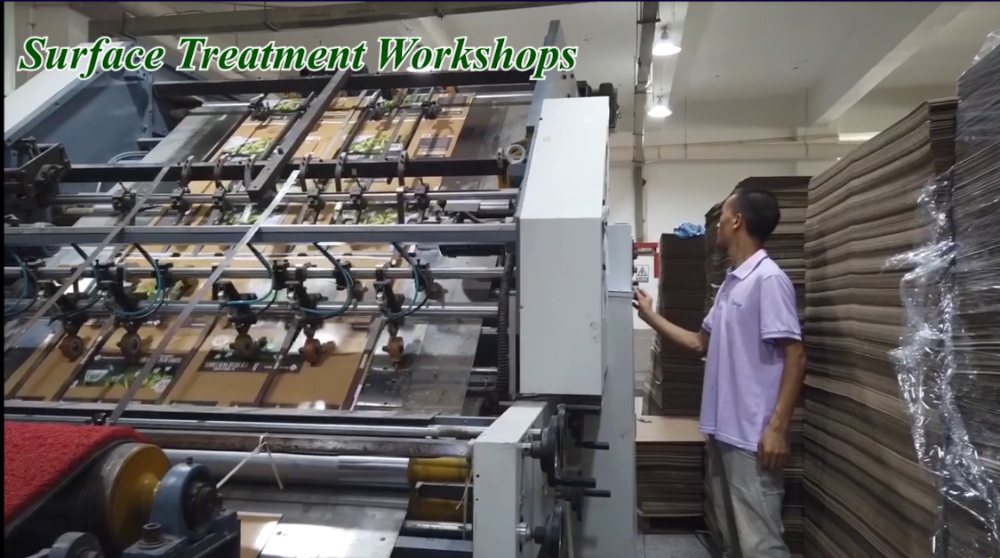
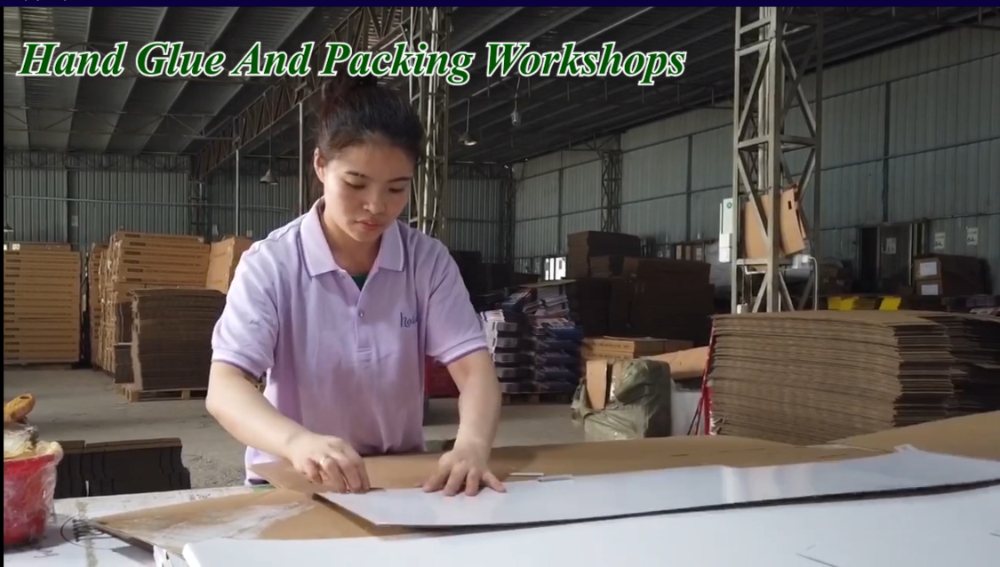
Agree on the artwork and color reference. Verify that important wording remains legible on the open display, including the front and side panels. | Confirm the board and finish against the intended structure. Discuss how coatings and graphics interact with the opening area. The photo shows workshop equipment, not a test result for this carton. | Check perforations, folds and glue locations against the approved sample. Avoid adhesive or structural details that obstruct the planned opening sequence. | Confirm whether cartons are supplied flat or assembled and who loads the merchandise. State the shipping route and any retailer packing or labeling requirements. |
【6】 Where Tear Away Packaging Fits a Retail Program
Packaged chocolate, snack bars and similar merchandise appear in the existing category examples. A project should still be assessed using its own pack dimensions, unit weight, shelf depth and replenishment pattern. Do not infer direct food-contact suitability from a box displaying wrapped food.
For shelf replenishment: decide whether staff place the complete loaded tray onto the shelf and whether the retailer permits the planned outer dimensions and front-wall height.
For distribution: identify who packs the product and how the loaded carton travels. Opening convenience and shipping protection must be assessed together; do not assume a carton that tears easily will suit every distribution route.
For store setup: describe the opening sequence and whether any tools are needed. Check it with a sample. Keep the tray stable and the products retained after the removable panels are taken away.
For material planning: request the proposed board, finish and disposal guidance for the intended market. Holidaypac’s “From nature. Back to nature.” philosophy guides the conversation; it does not replace evidence for recyclability or certification claims.
An archived inquiry asked for a tear-top, shelf-ready box holding 12 individually packed cookies. The useful design questions were the pack count, packaged product size, carton footprint, sample and printing requirements.
For your project, send the same essentials: what goes inside, how many units, how it should open, and where it will be displayed.
Anonymized inquiry example from our 2024 records; it is not presented as a delivered order or a customer endorsement.
【7】What to Review Before Approving Your Tear-Away Box
Our packaging inspection checklist gives the review a practical structure. The checks below are adapted for tear-away cartons; dimensions, material choices and acceptance criteria are agreed for each project.
Check the packed product dimensions and unit count. Open a filled sample along the planned tear path; review the retained front edge, tray support and access to the products.
Compare the print with approved artwork or the signed sample. Review logo position, text, visible panels and any required barcode scanning.
Inspect crease quality and assembly fit. Confirm that the removable portion opens as intended while the remaining tray holds its shape.
Confirm quantities, carton markings and the agreed packing method. Discuss handling or transit checks based on the product and delivery route.
A project review framework, not a claim that every product has passed an identical test or certification.
【8】What We Value in Every Packaging Project
Packaging is both a product and a working relationship. Our company materials emphasize honest business, patient communication, practical design advice, quality checks and team development. Here is how those principles guide a tear-away packaging project.
Be clear about the brief, the sample and what still needs checking. Product-specific requirements belong in the discussion and approval process.
Recommend the board and format around the product, opening action and retail use. Appearance matters alongside fit, assembly and handling.
Our company introduction treats employees as valuable assets. Sample training, artwork discussion and communication practice connect the team's knowledge with the customer's needs.
From nature. Back to nature. This principle encourages considered use of materials. Board, coatings and any environmental claims must still be checked for the specific construction and intended market.
【9】 Tear Away Display Box FAQs
1. Q: What is the difference between a tear away display box and a PDQ tray?
A: A tear away box includes a planned removable section that exposes a display tray. A PDQ tray describes the merchandising format and may arrive open, with a separate cover, or as part of a tear away carton. Confirm the opening mechanism for the actual design.
2. Q: Can the shipping carton become the retail display?
A: Some designs retain the loaded base as the retail tray after the cover or front is removed. Confirm the distribution route, product load, shelf requirements and opening sequence before choosing this format.
3. Q: What information is needed to size a tear off display box?
A: Provide packaged product dimensions, unit weight, product count per carton, loading orientation, shelf dimensions and any retailer specifications. Include a product photo or sample and the required packing method.
4. Q: How should we check the perforation on a sample?
A: Try the intended opening sequence with the actual merchandise loaded. Check that the tear follows the planned path, does not damage the product and leaves a usable tray. Discuss appropriate handling or transport checks for the project.
5. Q: Can tear away boxes be used for snacks and chocolate?
A: They can be considered for packaged snacks and chocolate, as shown in the category examples. Fit, weight and shelf use still need review. Direct food-contact suitability and any required certifications must be confirmed separately.
6. Q: What are the minimum quantity and sample lead time?
A: These depend on the structure, board, print, quantity and current production plan. Send the project brief to Holidaypac for a quotation and sample schedule; this page does not promise a fixed minimum or delivery time.
Create Your Custom Tear Away Display Box
Send the product dimensions, unit weight, units per box, target quantity, shelf footprint, artwork status and delivery destination. Ask Holidaypac to review your project →
Links