Holidaypac
 Nov 15,2026


Soft touch lamination is a tactile finish chosen for its soft, velvety feel. Before specifying it for retail packaging, compare an actual finished sample with matte and gloss alternatives. Check how the surface handles fingerprints, rubbing, folds and any additional decoration. The finish name alone does not define its performance.
This Holidaypac buyer's guide focuses on choosing and approving a finish for custom paper packaging and display graphics. For a basic introduction to the process, see what lamination is. Here, the practical question is which sample meets your project's appearance and handling requirements.
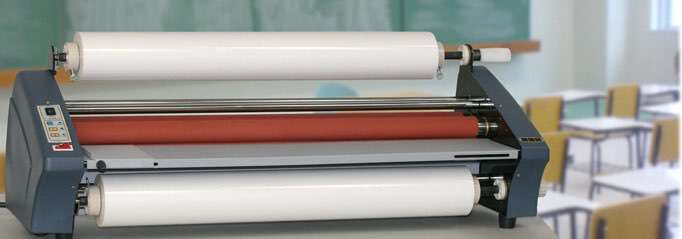
Think about appearance and touch separately. Gloss describes a shiny surface. Matte describes a less reflective appearance. Soft-touch film adds a tactile quality, commonly paired with a matte appearance. A photograph can help compare reflections, but it cannot communicate how a surface feels in the hand.
Film manufacturer Taghleef describes its tactile laminating film range as offering soft, silky or velvety textures, with different versions for different processes. This illustrates why a named film specification is more useful than a general request for a “premium finish.” It is not a statement that every Holidaypac order uses that supplier.
| Finish | Reason to consider it | Sample check before approval |
|---|---|---|
| Soft touch | A tactile experience when customers handle the package | Feel, fingerprints, rubbing and compatibility with decoration |
| Matte | A subdued visual surface with less pronounced reflections | Color appearance, marks on dark areas and readability |
| Gloss | A shiny presentation with visible reflections | Glare under retail lighting and visibility of text and images |
For a gift box that shoppers pick up, touch may be central to the brief. For a display header viewed at a distance, readability and reflections may matter more. These are selection questions, not rules that assign one finish to every product category.

Specify touch, scratch resistance and fingerprint resistance as separate requirements. Derprosa lists a dedicated Silky Matte Anti-Scratch film, while its broader range includes other tactile and visual finishes. A finish should be evaluated against the actual grade and intended use, rather than its marketing name.
Tell the supplier how the item will be handled. Will boxes rub against each other in a shipping carton? Will staff repeatedly move a display panel? Is the design dominated by a dark solid area? Use those conditions to agree a sample evaluation and acceptance criteria. Do not invent a pass threshold after production has started.
A film swatch is useful for shortlisting the feel. The next step is a sample using the intended printed artwork, paper or board, and finishing sequence. Review the sample after cutting, creasing, folding and assembly, where applicable.
Ask the supplier to confirm compatibility for the complete combination. A successful result on a different paper, ink system or film does not automatically establish suitability for your artwork.

For remote projects, photographs and video can support discussion of visible details. Arrange a physical sample when the decision depends on touch. See our printing quality control guide for related print-review questions.
Send the product type, dimensions, quantity, destination and intended retail use. Include your artwork, a finish reference if available, and any requirements for rubbing, fingerprints, decoration or assembly. Ask for the sample plan and quotation assumptions together, so you can compare options on the same basis.
Do not choose a material solely because it looks natural or feels luxurious. If your project has specific recycling or other material requirements, provide them at the outset and ask for evidence applicable to the proposed finished construction.
No. Matte describes appearance; soft touch describes a tactile quality. A soft-touch film may have a matte appearance, but an ordinary matte film is not automatically soft touch.
A photo can show visible details, but it cannot establish the feel. Use a physical reference or representative sample for tactile approval.
Discuss the exact film and decoration process with the supplier and approve a combined sample. Compatibility should be confirmed for the proposed construction.
Request comparable quotes for your dimensions, quantities, material and finishing sequence. There is no reliable universal price difference for every project.
Explore Holidaypac's custom packaging and cardboard displays, or send your brief to Holidaypac. A clearly identified sample and an agreed specification make the finish decision easier to communicate from design through production.


Links