Holidaypac
 Dec 15,2025

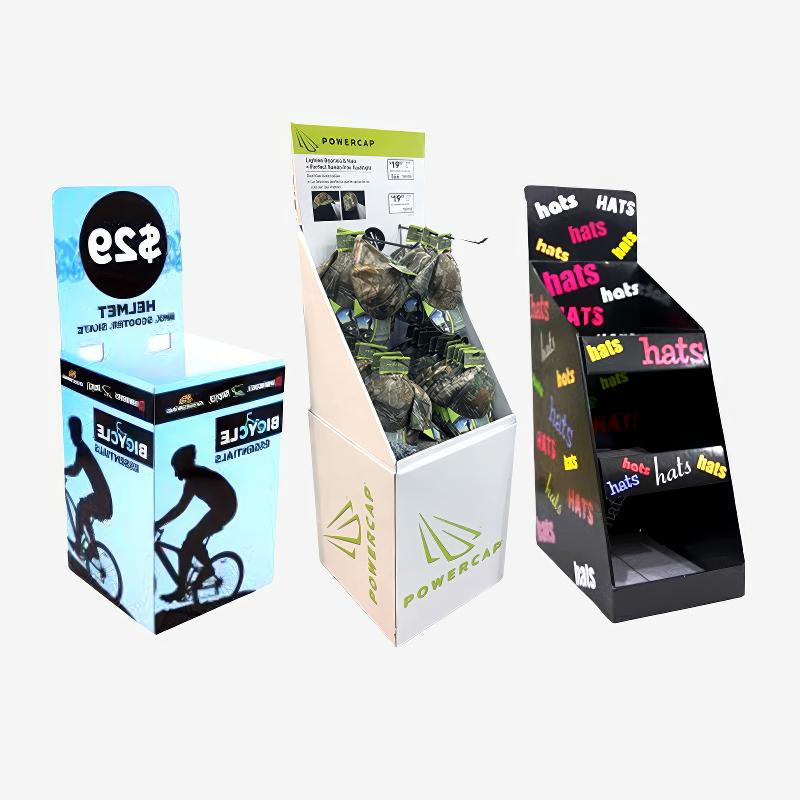
This guide dives deep into the world of retail shelving, specifically focusing on the high-impact "end cap" placements. We explore why brands are shifting from permanent metal fixtures to flexible cardboard solutions, how to design for maximum structural integrity and visual appeal, and the real math behind the return on investment. Whether you are a retail veteran or a new brand manager, you will learn how to turn the end of an aisle into the beginning of a sale.
Let’s be honest for a second.
Walking into a supermarket or a retail chain can be overwhelming. There are thousands of products screaming for attention. As a shopper, you probably don’t scan every single item on the shelf. You scan the highlights. You look at what’s right in front of you.
This is why the end of the aisle—the "end cap"—is widely considered the prime real estate of the retail world.
At Holidaypac, we have spent years manufacturing custom displays. We’ve seen firsthand how a well-executed display can double sell-through rates, and how a bad one can gather dust. In this guide, I’m going to walk you through everything you need to know about End Cap Cardboard Displays.
We will cover the "why," the "how," and the dollars and cents of it all.
Before we get into the technical weeds, let's define our terms.
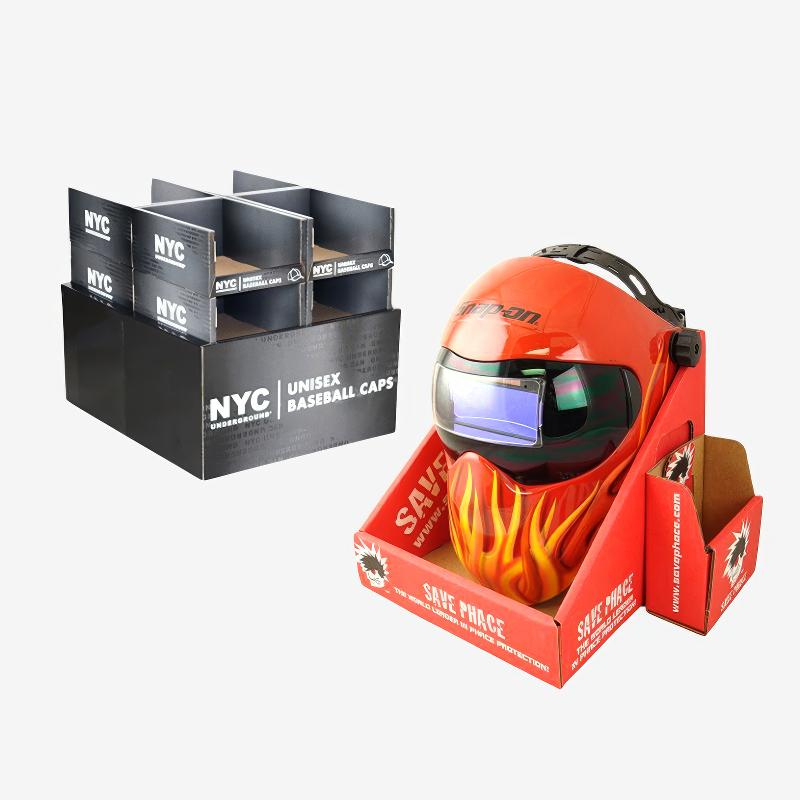
An End Cap Display is a retail fixture placed at the end of a shelving aisle. In the industry, we often call this a "Gondola End." Because it faces the main walkways (the "racetrack" of the store), it enjoys significantly higher foot traffic than the inline shelves tucked inside the aisles.
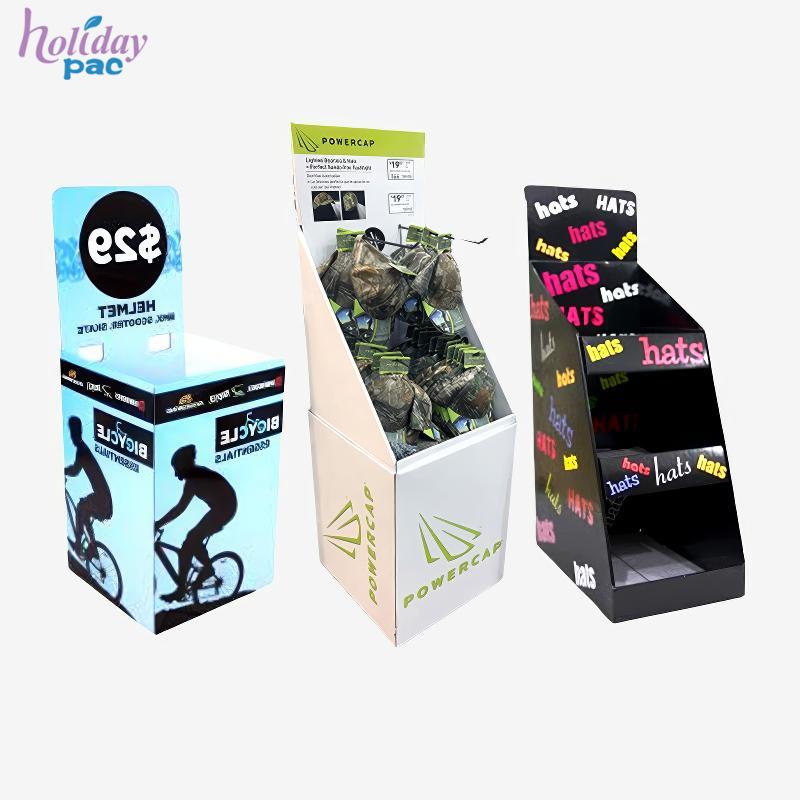
When we talk about End Cap Cardboard Displays, we are referring to temporary or semi-permanent units made from high-strength corrugated board, customized to fit that specific end-of-aisle space.
They aren't just boxes. They are engineered marketing tools.
You might be asking, "Why shouldn't I just use the store's permanent metal shelving?"
That is a fair question. Permanent fixtures are sturdy. They are already there. But they are also invisible. They blend into the background noise of the store.
Here is why smart brands switch to cardboard:
Metal shelves are standard. They are usually beige, white, or grey.
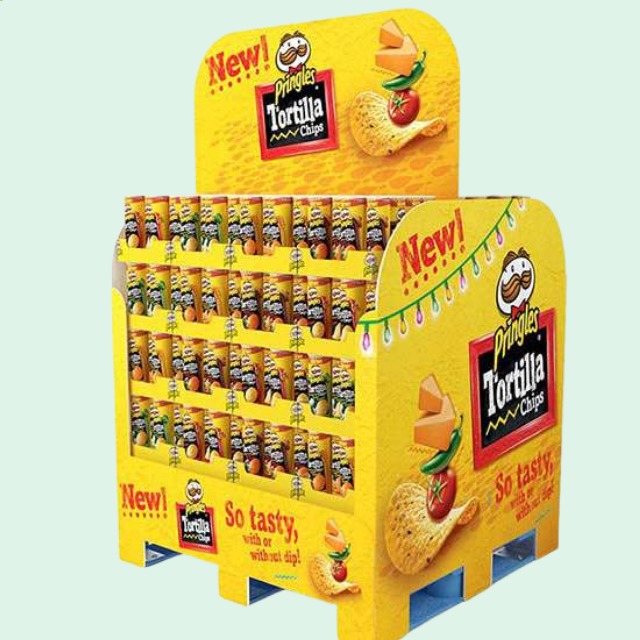
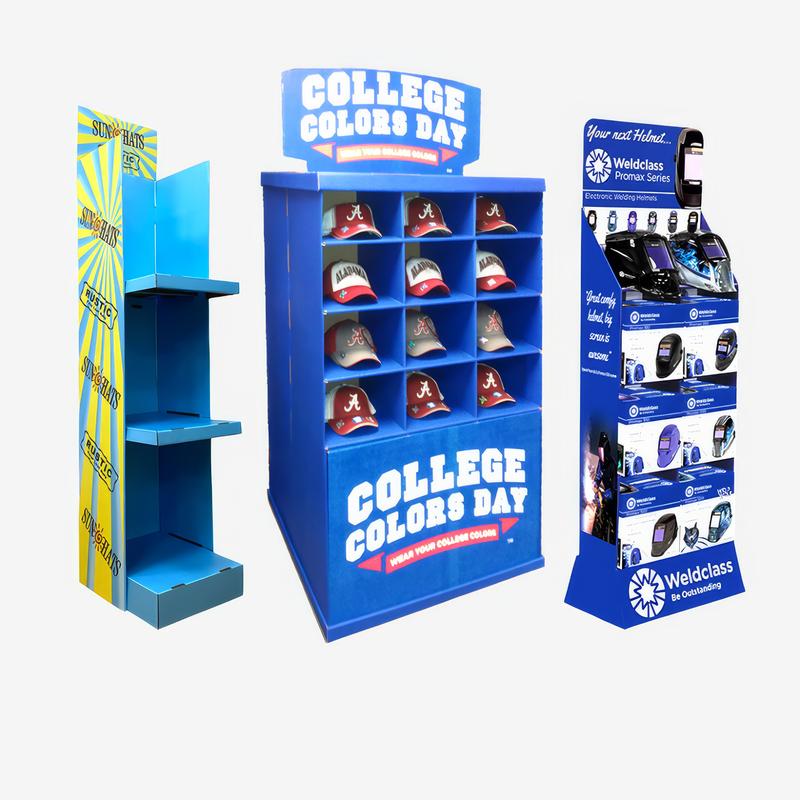
Cardboard displays, on the other hand, are a blank canvas. We can print high-resolution graphics on 100% of the surface area. You can shape the header card to look like your product. You can create a 3D effect that physically pops out into the aisle.
This visual disruption is critical. According to industry studies by groups like POPAI (Point of Purchase Advertising International), in-store decision-making is high. A huge chunk of purchases are unplanned.
You need to disrupt the shopper's autopilot. Cardboard does that better than metal.
Developing a metal or wood fixture takes months. There is tooling, molding, and heavy prototyping involved.
With End Cap Cardboard Displays, the timeline is compressed. At Holidaypac, we can move from a CAD design to a physical sample in a matter of days. If you have a Christmas promotion or a summer launch, cardboard allows you to react to the market trend now, not next year.
This isn't just about the unit price, though cardboard is obviously cheaper than steel.
Think about shipping.
A metal rack is heavy and often bulky. Cardboard displays are "flat-packed." We ship them knocked down flat. This means you can fit hundreds of units on a single pallet. The savings on logistics alone often pay for the displays themselves.
This is where the magic happens. Or the disaster.
I have seen clients come to us with beautiful graphic designs that are structural nightmares. I have also seen sturdy tanks that are ugly as sin. You need balance.
Here are the critical factors we consider at the factory level.
The biggest myth I hear is that cardboard is weak.
That is false. It is only weak if it is engineered poorly.
When we design a display for heavy items—say, beverages or laundry detergent—we use specific grades of corrugated board. We might use a "double-wall" (BC flute) structure. We add internal reinforcement bars and dividers that act like pillars in a building.
A well-engineered cardboard shelf can easily hold 20kg to 30kg. The key is distributing the weight.
You have limited time.
When a shopper pushes their cart past an end cap, you have about three seconds to communicate:
If your design is too cluttered with text, you lose them.
Tip: Keep your header card bold. Use a large logo and a benefit-driven headline (e.g., "50% More Shine" rather than just "New Formula").
There is a "Strike Zone" in retail. This is the area between the knees and the shoulders.
Products placed here sell the fastest.
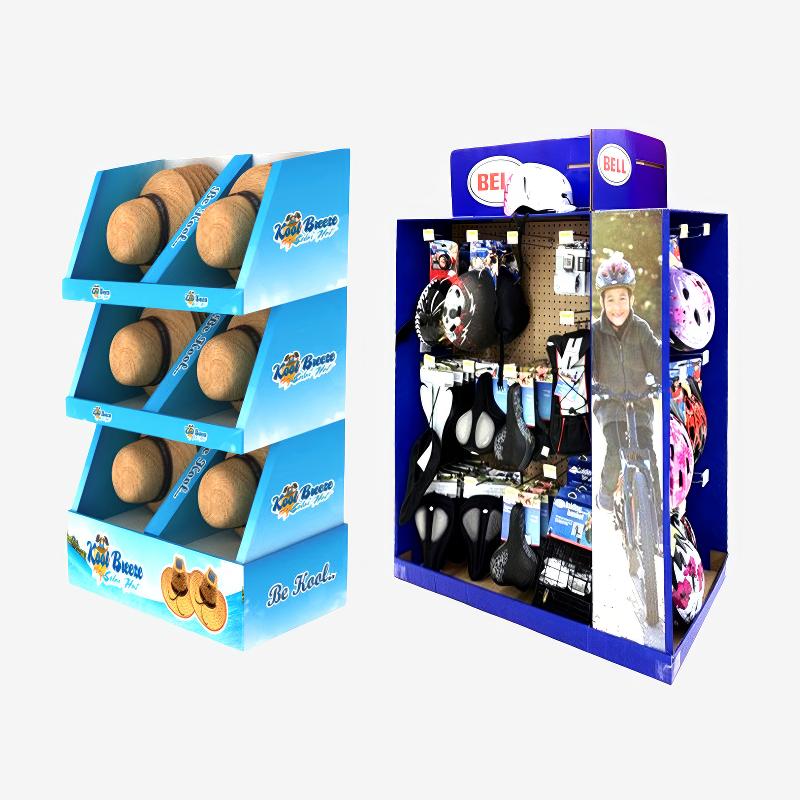
When we design End Cap Cardboard Displays, we ensure the most profitable items are at eye level. If you have a massive header card that blocks the view of the product, you are hurting sales. The structure should frame the product, not hide it.
Let’s talk money.
As a B2B buyer, you need to justify this expense to your boss or your finance department. Why spend money on a display when the product could just sit on the shelf?
It comes down to Impulse Buying.
The regular aisle is for the "destination shopper." This person ran out of toothpaste, wrote "toothpaste" on a list, walked to the toothpaste aisle, and bought it. You didn't "win" that sale; you just fulfilled an order.
The end cap is for the "discovery shopper."
They didn't know they wanted a new flavor of chips. They didn't know they needed a seasonal candle.
Retail data consistently shows that moving a product from an inline shelf to an end cap can increase sales by 200% to 400%.
If your custom display costs $30, and it generates an extra $500 in sales over a two-week period compared to the inline shelf, the ROI is massive.
Furthermore, retailers love brands that bring their own displays. It saves the retailer labor (merchandising is easier) and makes their store look fresh. This can help you negotiate better margins or get your product listed in more stores.
In our years at Holidaypac, we have fixed a lot of mistakes. Here are a few you should avoid:
So, how do we actually make these things?
Since we are a factory, let me give you a peek behind the curtain.
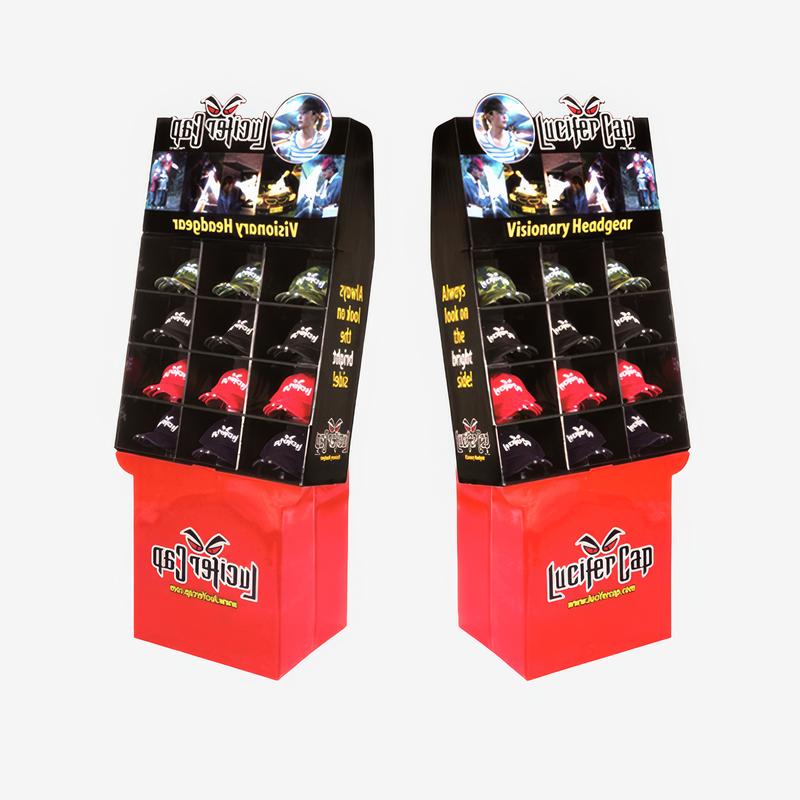
The humble cardboard display is a powerful tool. It is a billboard, a shelf, and a salesperson all rolled into one.
In a retail environment that is fighting for every second of consumer attention, End Cap Cardboard Displays offer the best blend of visibility, affordability, and flexibility. They allow you to take your brand off the crowded shelf and put it center stage.
But remember, the quality of the manufacturing matters. A flimsy display hurts your brand image. A sturdy, vibrant display elevates it.
If you are looking for a partner who understands both the engineering and the marketing behind these displays, we are here to help.
At Holidaypac, we don't just cut cardboard; we create retail solutions. Whether you have a rough sketch or a full 3D file, we can guide you through the process to ensure your next promotion is a success.
Contact us today to discuss your project. Let’s make something that stands out.


Links