Holidaypac
 Dec 12,2025

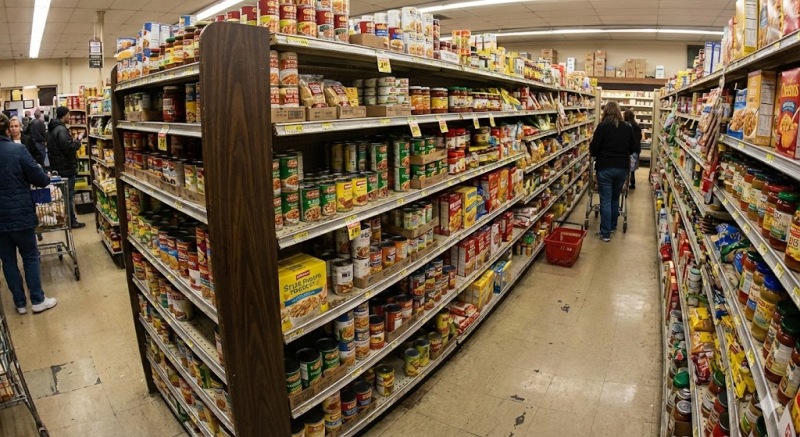
Custom Cardboard POP Displays are outperforming fixed shelving by offering retailers greater flexibility, lower costs, stronger visual impact, and faster adaptation to changing retail needs.
Key Takeaways
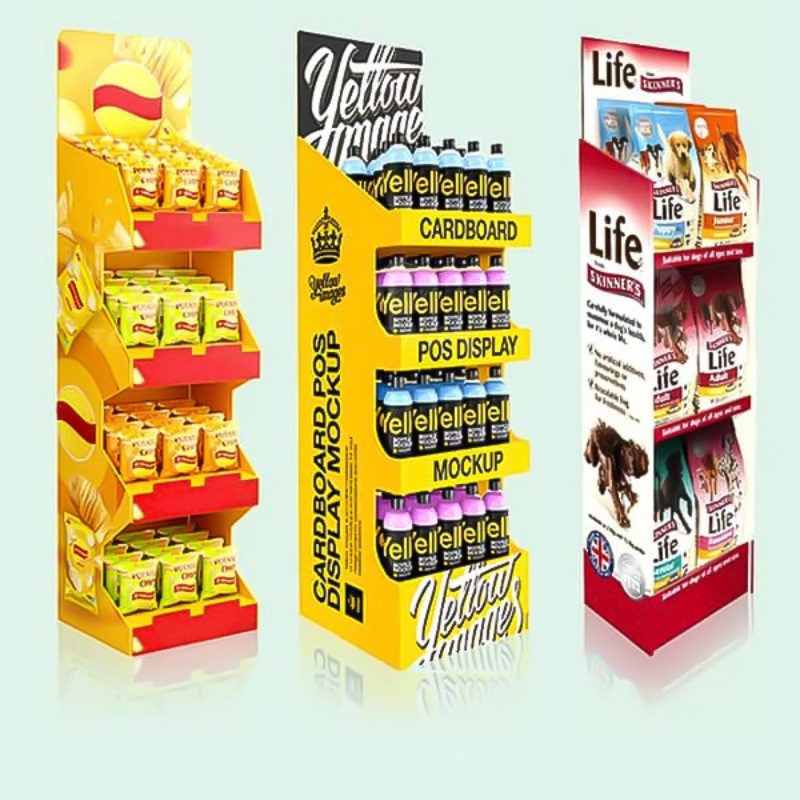
I have spent a lot of time in the manufacturing world here at Holidaypac, and if there is one thing I have learned, it is that the retail landscape never stops moving.
If you walk into a store today, you aren't just looking for products; you are looking for an experience. That is where the battle between traditional setups and modern solutions plays out. Specifically, I’m talking about the shift away from heavy, permanent fixtures toward Custom Cardboard POP Displays.
For years, fixed shelving was the standard. It is sturdy, sure. But it is also expensive, heavy, and incredibly hard to move once it is bolted down. Today, retailers need something different. They need speed, flexibility, and a way to grab attention instantly.
Let’s break down exactly why these cardboard displays are becoming the go-to choice for smart businesses and how they stack up against the old school way of doing things.
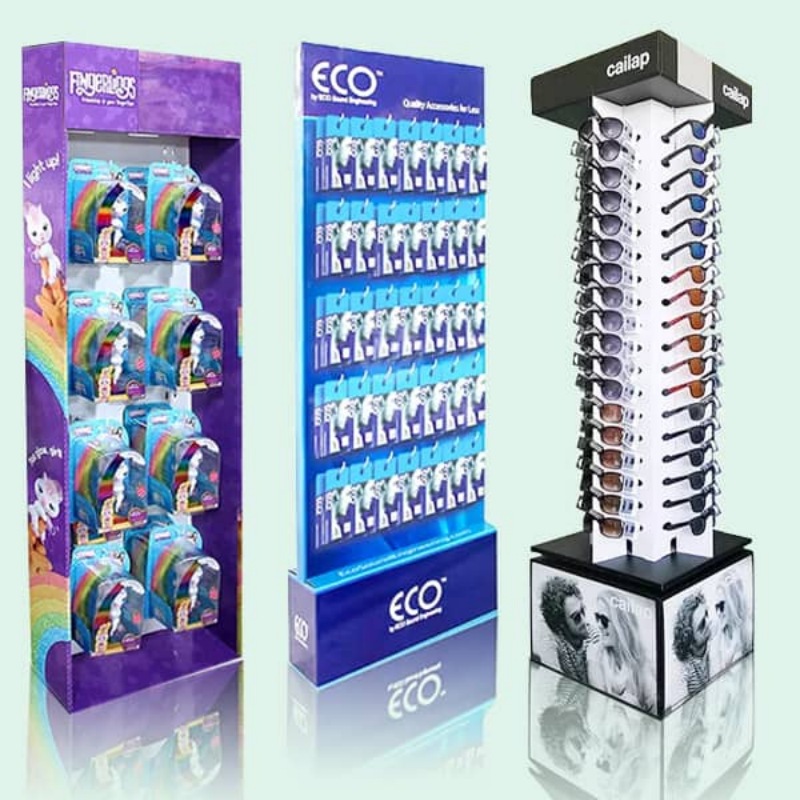
When we talk about value, we aren't just talking about the price tag—though that is a huge part of it. We are talking about what you get for your money.
Custom Cardboard POP Displays have emerged as a dynamic alternative to the rigid nature of fixed shelving. The most obvious benefit is the cost. Traditional shelving requires a massive upfront investment. You have to pay for materials like wood or metal, and then you often have to pay for a specialized team to install it. It takes time, and it eats up your budget.
On the flip side, cardboard displays are incredibly cost-effective. You can get a tailor-made solution that fits your exact product dimensions without blowing your marketing budget. Because the production costs are lower, you have more freedom. You aren't married to a single display layout for the next five years. If a campaign ends or a new product launches, you can afford to switch it up.
That financial flexibility is a game-changer. It allows you to put your money where it matters most: marketing your actual product.
The retail market moves fast. One minute it’s Valentine’s Day, and the next, you are prepping for Back-to-School season.
This is where fixed shelving really shows its age. It is often a permanent installation. If you want to change the layout of your store or highlight a specific seasonal item, moving heavy shelves is a logistical nightmare.
Cardboard displays, however, are designed for agility. They allow you to respond promptly to market trends.
At Holidaypac, we see this adaptability as a core strength. It allows retailers to refresh their store layouts without significant investment or time commitments. You stay relevant, and your store always looks fresh.
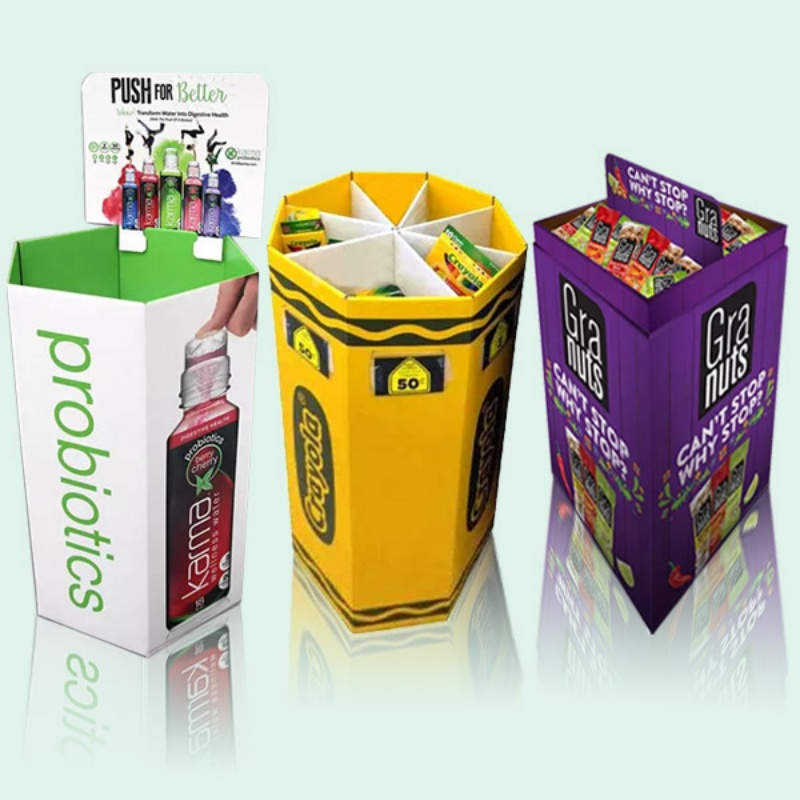
Let’s be honest: standard beige shelving blends into the background. It is functional, but it is boring. In contrast, fixed shelving often lacks the visual dynamism needed to engage customers.
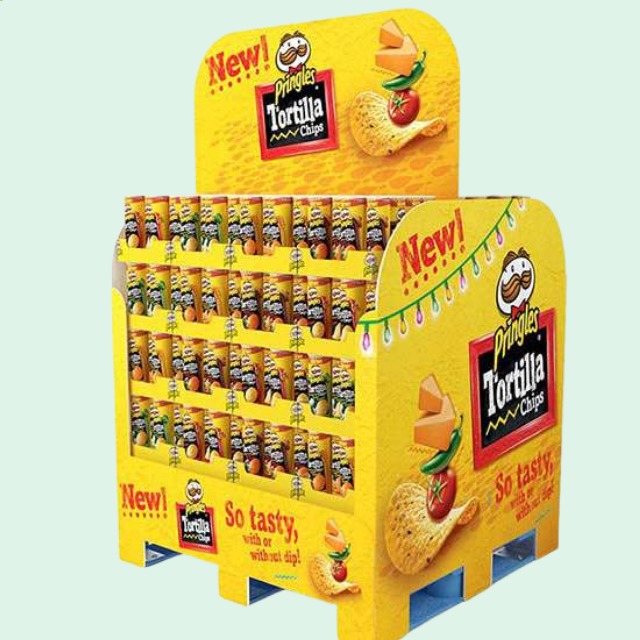
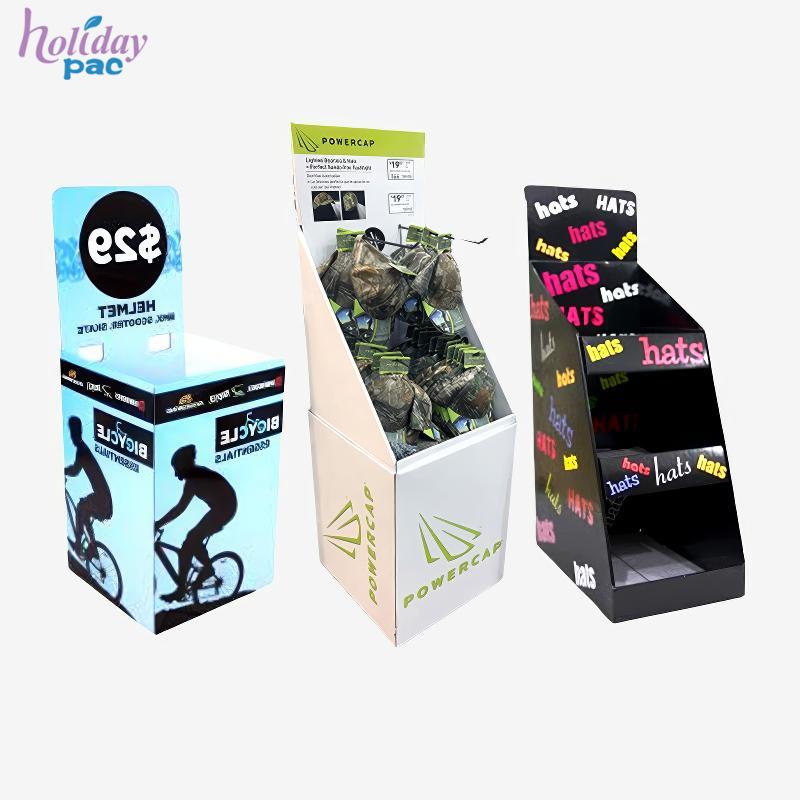
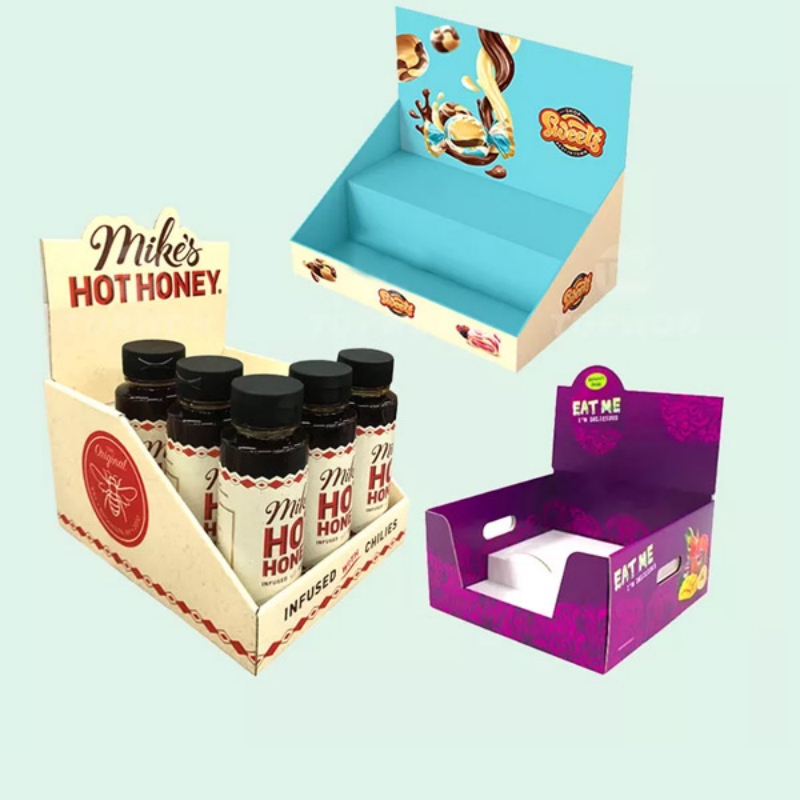
Customization is where cardboard displays truly shine. We aren't just talking about slapping a logo on a box. You can choose from a variety of sizes, styles, colors, and graphics that align perfectly with your branding.
This level of personalization helps create visually striking displays that effectively capture customer attention. Think about it. When you walk down an aisle, what catches your eye? Is it the row of identical metal shelves, or is it the vibrant, uniquely shaped stand at the end of the aisle that tells a story?
You can design these cases to include elements representing the product’s characteristics. For example, if you are selling a tropical-scented lotion, the display can feature visual motifs linked to that fragrance. This enhances the shopper's aesthetic experience and conveys the product's value proposition much more effectively than a standard shelf ever could.
We are living in an era where eco-consciousness isn't just a buzzword; it is a requirement. Consumers are smarter than ever, and they care about the environmental footprint of the brands they support.
Cardboard displays offer a sustainable alternative to materials like plastic and metal.
When you choose cardboard, you are aligning with the growing consumer demand for eco-friendly products. It is a simple way to bolster your brand image while doing something good for the planet. Plus, once the promotion is over, the display doesn't have to end up in a landfill for centuries. It can be recycled and repurposed. That is a selling point that resonates with modern shoppers.
Here is a practical benefit that often gets potential clients excited: logistics.
If you have ever had to ship fully assembled furniture or metal racking, you know it is a nightmare. It is heavy, it takes up a ton of space, and the freight costs are astronomical.
Cardboard displays are lightweight and can be flat-packed. This means they take up minimal space during shipping, which significantly reduces your shipping costs.
For businesses operating across multiple locations, this is huge. You can transport the displays easily and have your team assemble them on-site with minimal effort. It simplifies the rollout process, ensuring that your marketing campaigns can be implemented swiftly and effectively across all your stores at once.
When the displays aren't in use, they are simple to store. You don't need a massive warehouse just to keep your fixtures. Flat-packing makes storage efficient.
Retail is no longer just about "stuff on shelves." It is about engagement.
While cardboard might seem low-tech, it is actually the perfect vehicle for high-tech integration. Custom Cardboard POP Displays can incorporate interactive elements that enhance the customer experience.
We are seeing retailers integrate technology like augmented reality (AR) to create immersive experiences. Imagine a customer scanning a QR code on the display to see a video of the product in action or to unlock a special discount code.
This transforms passive browsing into active participation. It stops the customer in their tracks and encourages them to explore more about the products. Fixed shelving typically lacks such interactivity, which can result in a less memorable shopping experience.
By making the shopping trip memorable, you increase the likelihood of conversions and repeat visits.
You don't have to take my word for it. The results are out there.
One notable example that illustrates the power of these displays is the brand MeUndies. They implemented couple-centric displays featuring real couples in matching outfits.
This wasn't just a box of underwear; it was a campaign. This creative approach captured customer attention and boosted their social media shares by 40%.
Think about that for a second. A physical display in a store drove a 40% increase in online social engagement. That is the power of a tailored display fostering community and enhancing brand connection. You simply cannot achieve that kind of virality with a standard metal shelf.
At Holidaypac, we know that you need to prove the ROI of your marketing efforts.
The beauty of POP displays is that their impact is measurable. Measuring the success of these displays is crucial for optimizing your strategies.
There are a few key metrics you should be looking at:
Research shows that a substantial portion of purchasing decisions occur at the point of sale, often driven by impulse. A positive ROI indicates that your display strategy is effective. By monitoring these metrics, you can optimize your current displays and guide the design of future ones.
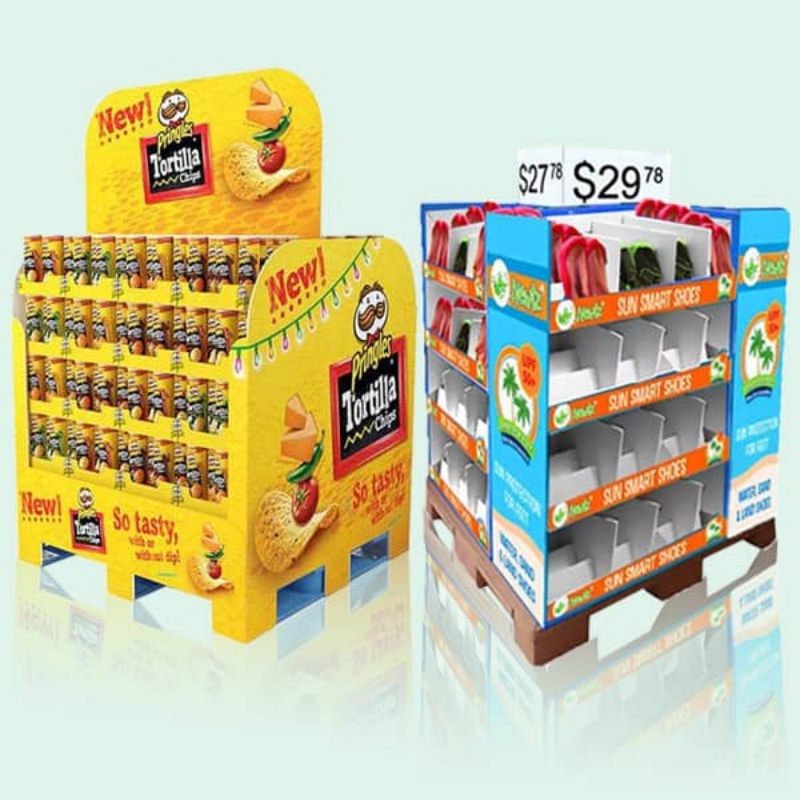
The choice between fixed shelving and Custom Cardboard POP Displays isn't just about materials; it's about philosophy. Do you want to be static, or do you want to be dynamic?
Fixed shelving has its place, but for brands that want to grow, adapt, and truly connect with customers, custom cardboard is the clear winner. It offers flexibility, cost savings, sustainability, and the ability to create genuine engagement.
If you are ready to move away from the rigid past and step into a more flexible future, we at Holidaypac are here to help you design the perfect solution.


Links