Holidaypac
 Jan 16,2026

Stop eating sushi like it's 1999.
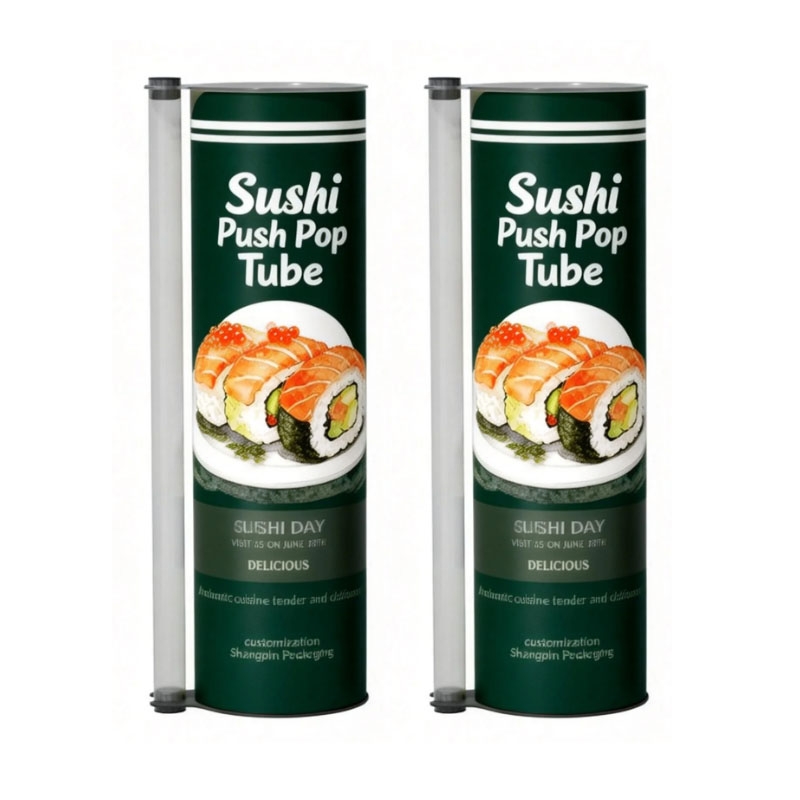
Seriously, if you’ve scrolled through TikTok or walked past Kips Bay in NYC recently, you’ve seen it. People are walking around eating sushi out of... cardboard tubes? It looks like a push-pop from your childhood, but instead of sherbet, it’s spicy tuna.
Weird? Maybe. Genius? Absolutely.
It’s called the Suka Sushi Push Pop, and honestly, it’s disrupting the entire "grab-and-go" food scene. But here's the thing: it’s not just about the hype. There is some serious packaging engineering happening behind that cardboard cylinder.
I did some digging (and talked to the manufacturing pros at Holidaypac) to figure out why this specific tube is taking over the world.
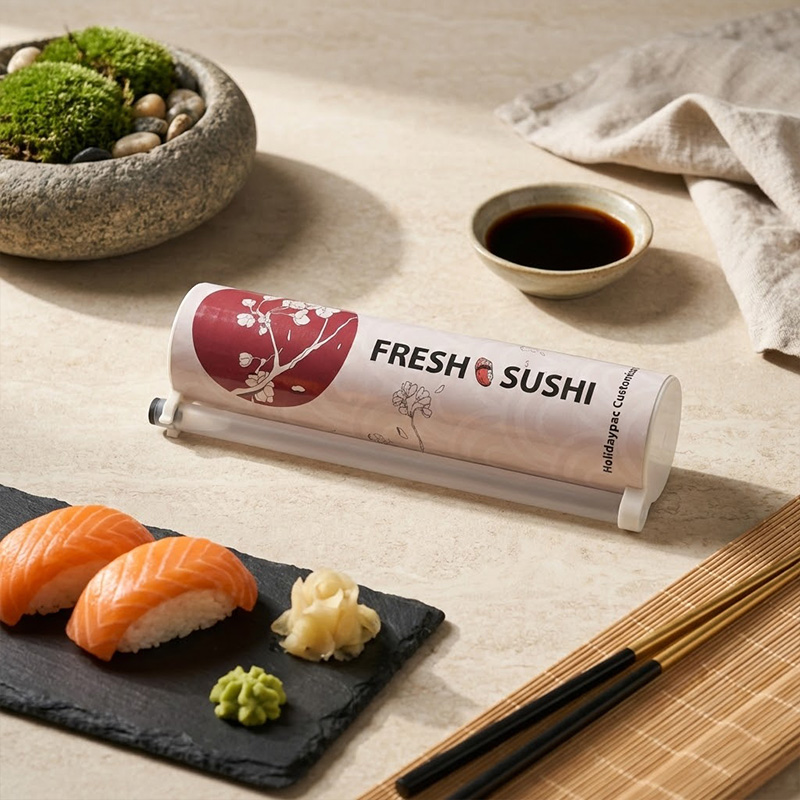
It’s a viral food trend from NYC that repackages traditional sushi rolls into a portable, hands-free cylinder, allowing you to eat sushi on the subway without spilling soy sauce on your shirt.
Let’s be honest. Eating sushi on the go is a nightmare. You need a flat surface, a tray, chopsticks, and three hands to manage the soy sauce packet.
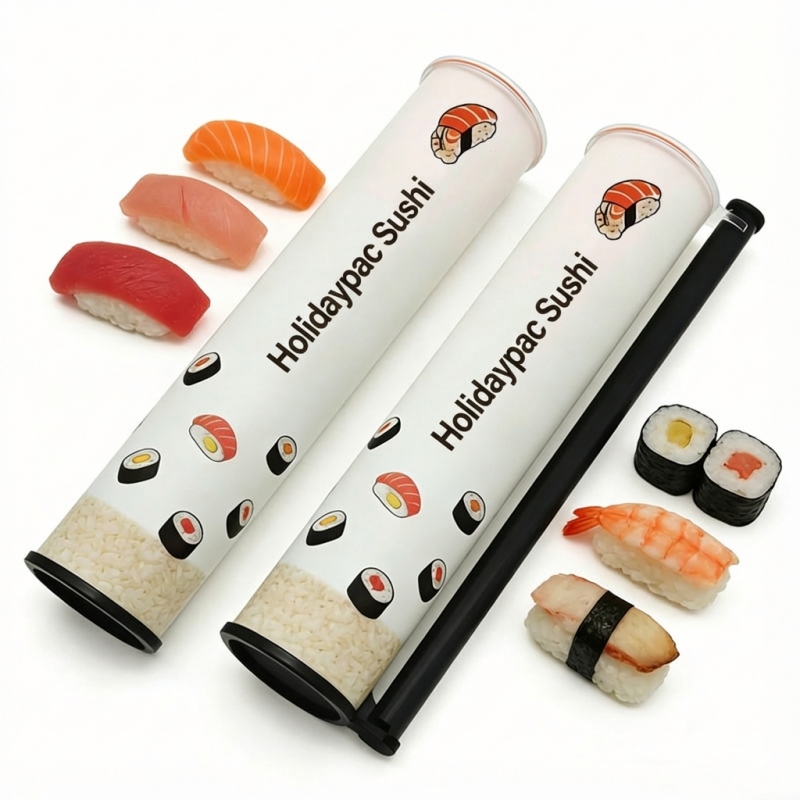
The Suka Sushi Push Pop solves this by stacking the roll vertically inside a rigid paper tube. It’s brilliant because it turns a sit-down meal into a one-handed snack. You don't need a table. You don't need utensils. You just need a thumb.
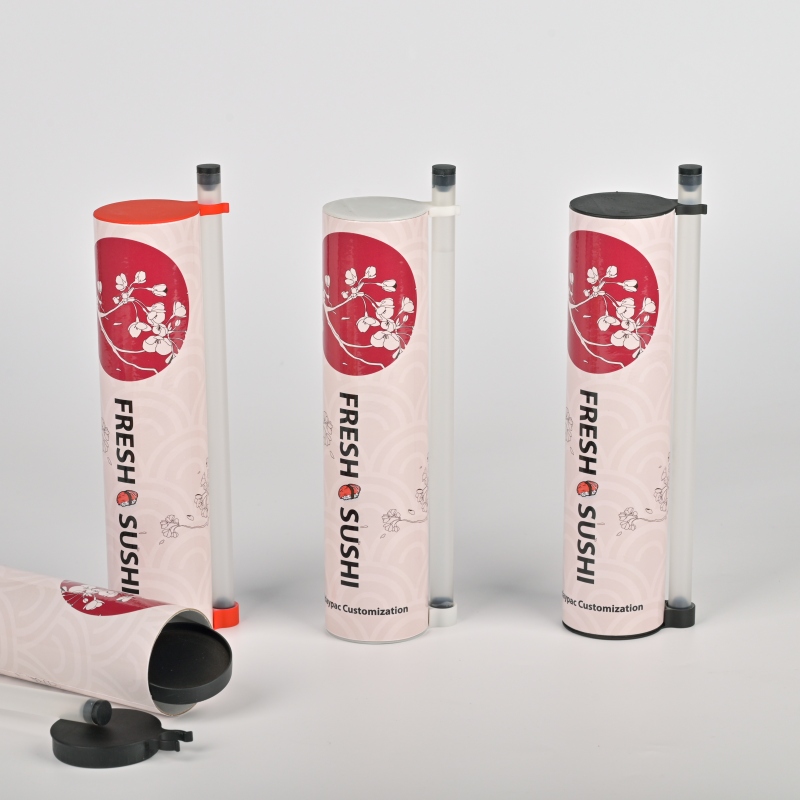
It’s satisfying, it’s mess-free, and most importantly for the retailers, it’s basically a walking billboard. That 360-degree surface area? That is prime real estate for branding.
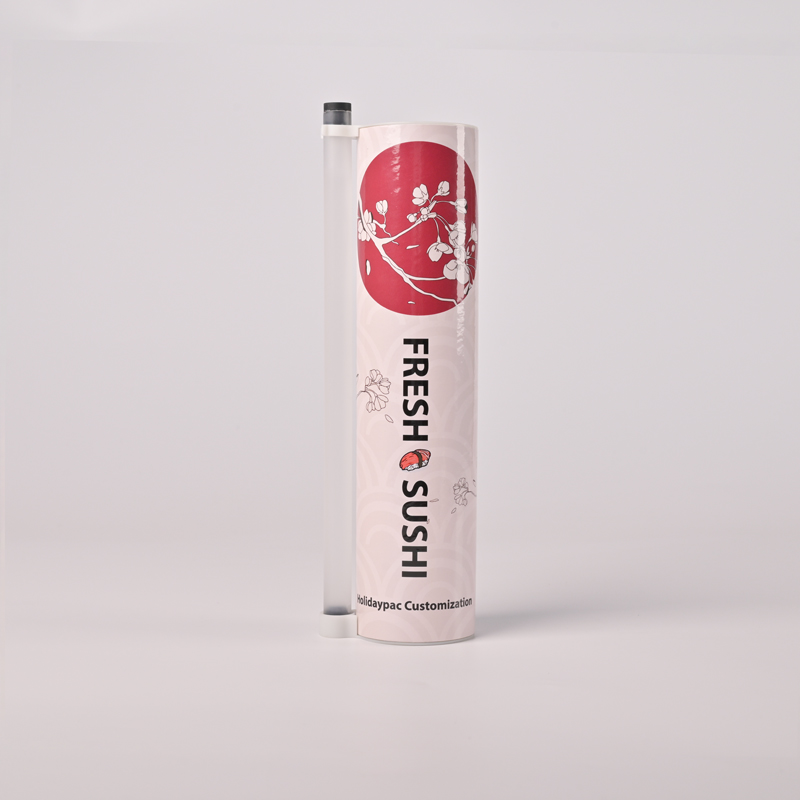
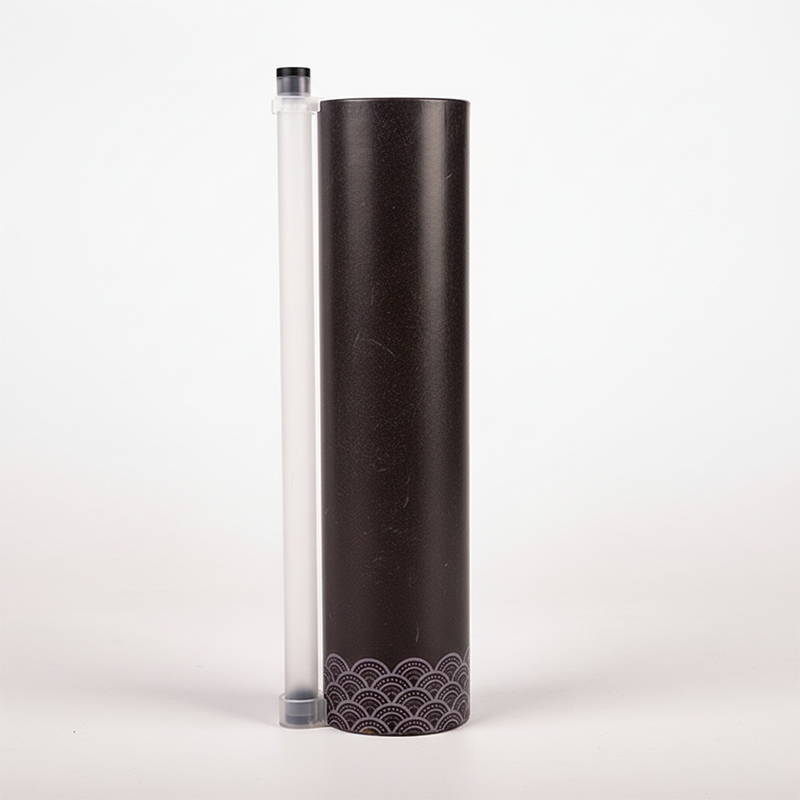
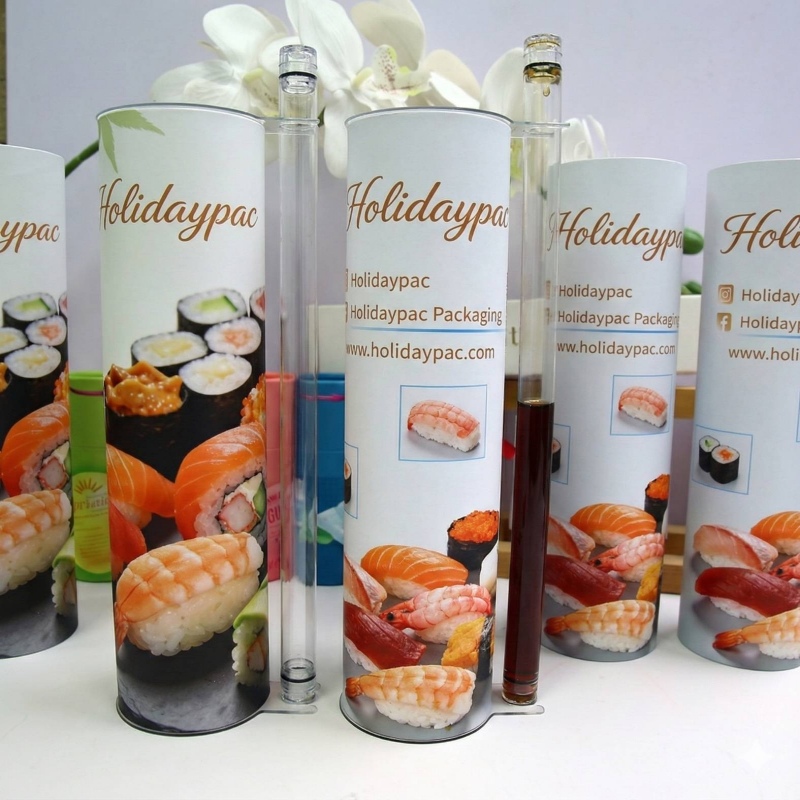
It uses a manual piston mechanism—often the soy sauce container itself—to push the sushi up from the bottom as you eat.
Simple? Not really. It’s actually quite complex when you look closer.
Here’s the breakdown:
It keeps the structural integrity of the roll intact until the very last bite. No more falling-apart California rolls.
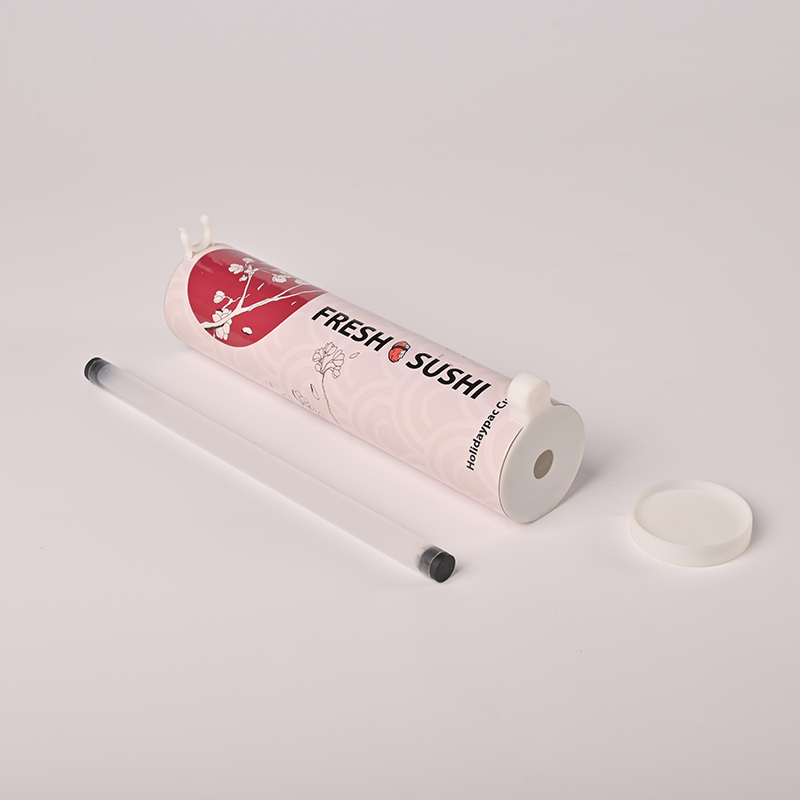
You can't just shove raw fish into a toilet paper roll; these tubes require specialized food-grade linings and precise manufacturing to prevent leaks and contamination.
I reached out to Holidaypac, who are basically the OGs of this niche. These guys have over 20 years of experience in producing sushi paper tubes and packaging.
When you're dealing with raw fish and rice (which is sticky and moist), standard cardboard turns to mush in minutes. Holidaypac uses advanced food-grade linings that create a barrier between the food and the paper. This keeps the sushi fresh and the tube rigid, even if it sits in a fridge for hours.
They aren't just printing boxes; they are engineering sanitary environments for food.
Certifications Matter
You wouldn't eat out of a dirty shoe, so don't eat out of uncertified packaging. Holidaypac’s tubes come with a laundry list of safety checks:
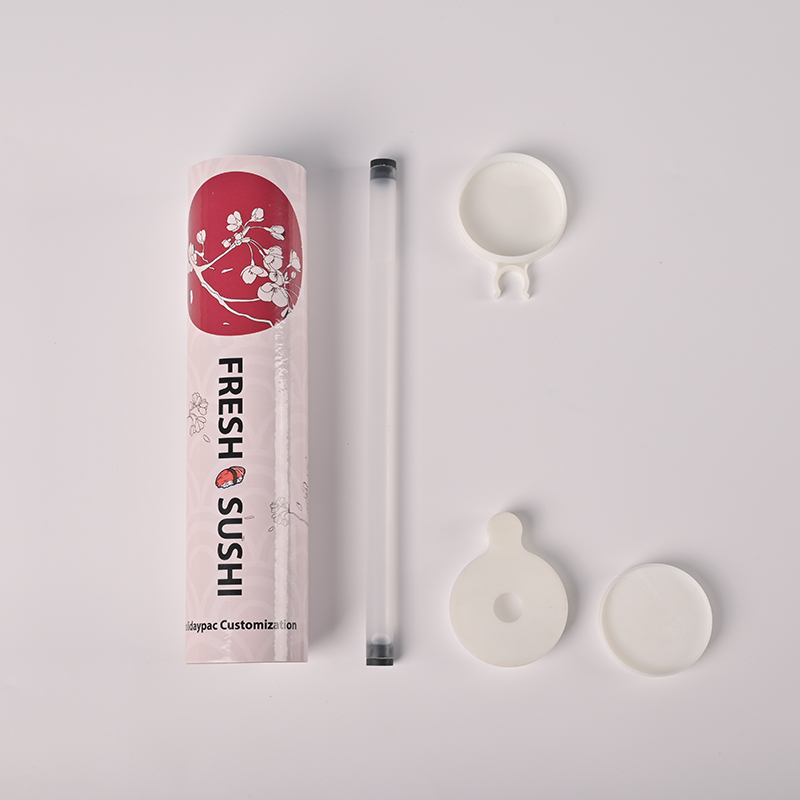
These tubes are customizable beasts built with multi-layer protection to handle moisture and oil.
If you are a restaurant owner thinking, "I need this," you can't just order random tubes. You need the right specs.
|
Feature |
Specification |
|
Material |
Rigid Cardboard with Food-Grade Lining |
|
Lining Options |
PE (Polyethylene) coating or Aluminum Foil (for max moisture barrier) |
|
Printing |
CMYK / Pantone (Full color, 360-degree branding) |
|
Diameter |
Customizable (usually fits standard maki or futomaki roll widths) |
|
Mechanism |
Push-up bottom disc with sauce-tube integration |
|
Eco-Status |
Biodegradable and Recyclable options available |
Holidaypac also mentioned they offer custom sustainable aqueous coatings, which is a fancy way of saying they can make the tube water-resistant without using heavy plastics. That is a huge win for the "save the turtles" crowd.
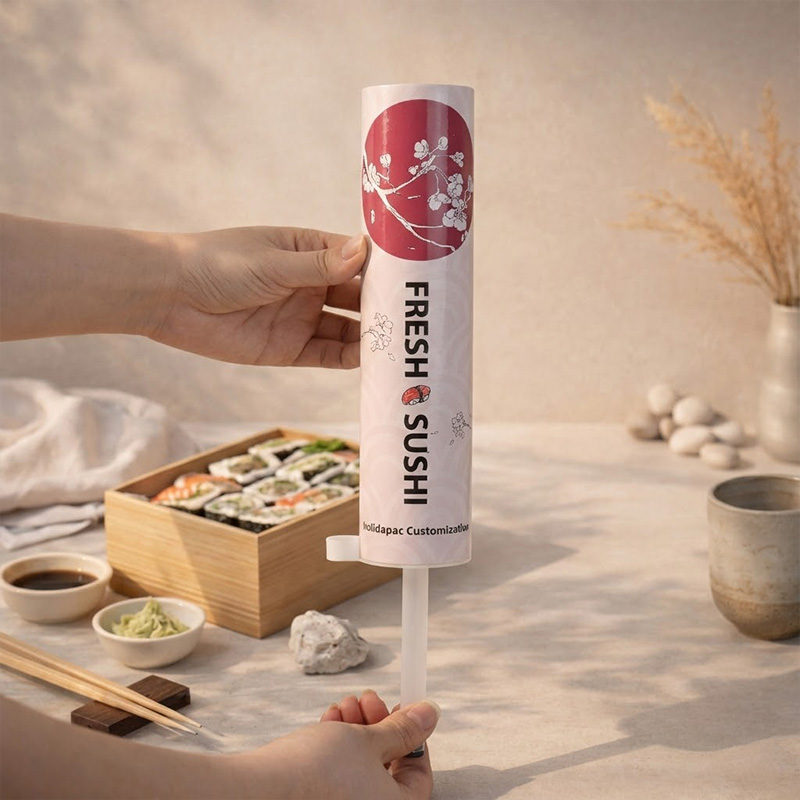
Too lazy to read? I got you.
So, would you try it? Or are you a sushi purist who refuses to eat nigiri without a ceramic plate? Personally, if it means I can eat spicy tuna while sprinting to a meeting, I’m in.


Links