Holidaypac
 Dec 18,2025

As a marketing consultant, I’ve spent a lot of time walking retail floors, analyzing why some products fly off the shelves while others collect dust. One of the most effective tools I've found in the physical retail world is the Power Wing cardboard display.
In our factory at Holidaypac, we’ve designed thousands of these. We see firsthand how a well-engineered piece of cardboard can change the trajectory of a product's sales.
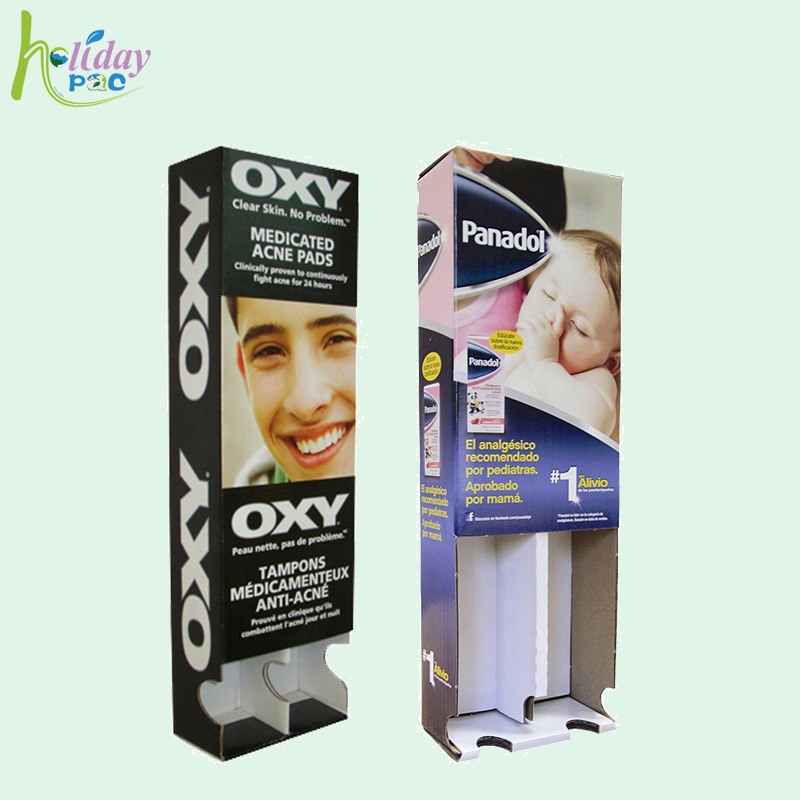
If you’ve ever stood in a Big Box store and seen a small display hanging off the side of a main shelf—usually holding batteries, snacks, or travel-sized toiletries—you’ve seen a Power Wing.
Here is a practical guide on why these displays are a retail staple and how you can use them to drive actual ROI.
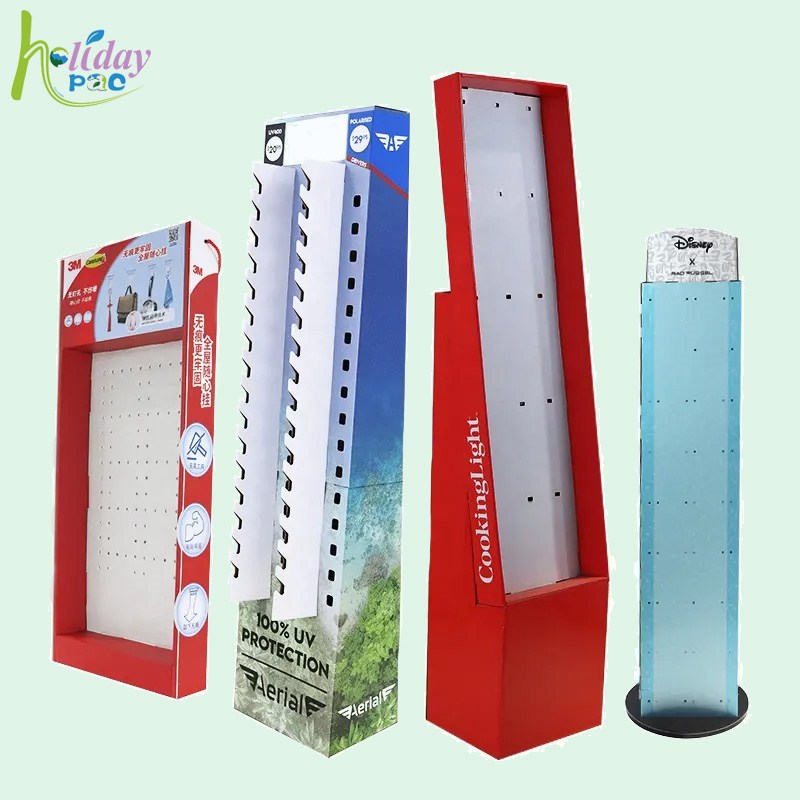
In the industry, we often call these "Sidekicks."
A Power Wing is a secondary product display designed to be attached to the side of a permanent retail fixture, typically an endcap. While the endcap (the display at the end of an aisle) is the "anchor," the Power Wing is the nimble partner that catches the eye of shoppers as they turn the corner.
At the Holidaypac factory, we almost always build these from corrugated cardboard.
This makes them lightweight, easy to ship, and—most importantly—fully recyclable.
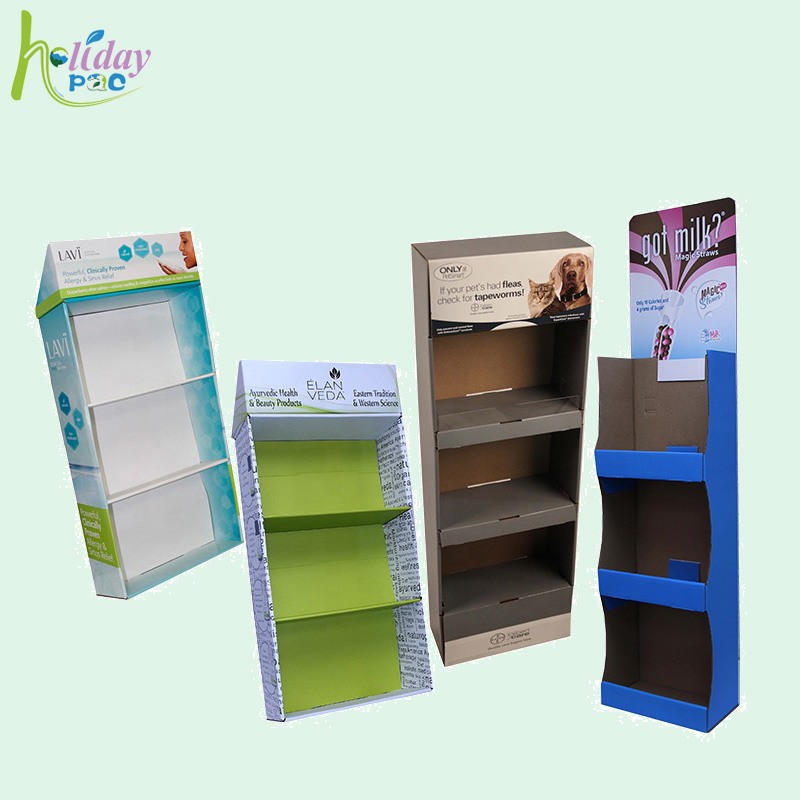
I’ve seen brands get confused about the mechanics, so let's break it down. You generally have two options:
Flexibility is the goal here.
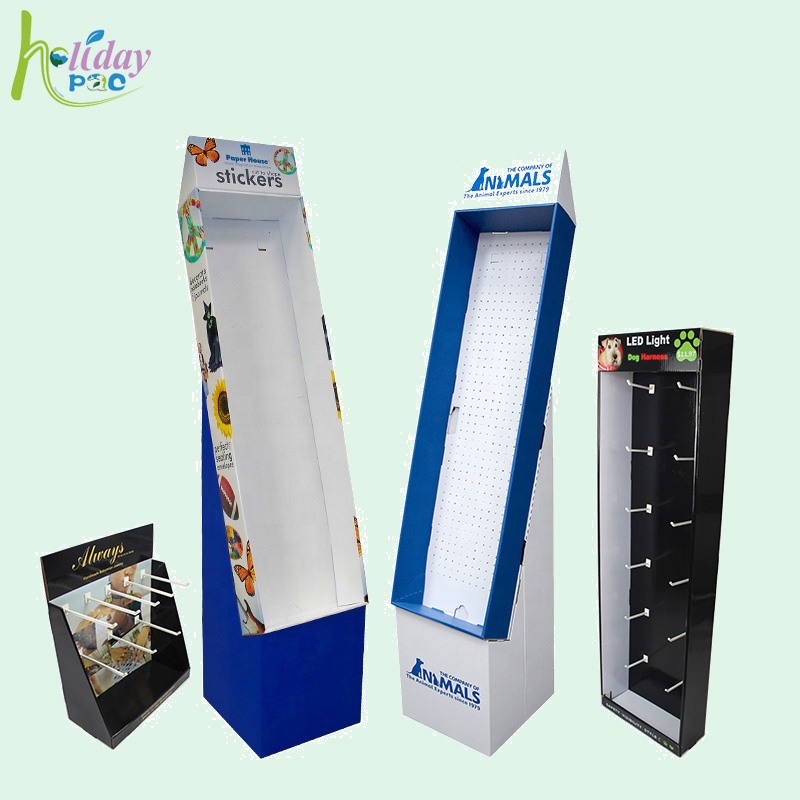
In retail, we talk a lot about "prime real estate." The center of the aisle is a marathon; the endcap is a sprint.
The Power Wing occupies the "interstitial space"—the transition zones where shoppers are most likely to make impulse decisions. According to research by the Shop! Association (formerly POPAI), nearly 76% of grocery purchase decisions are made in-store. Power Wings capitalize on this by interrupting the shopper's journey without being intrusive.
I like to think of them as the "point-of-purchase" (POP) version of a pop-up ad, but far less annoying.
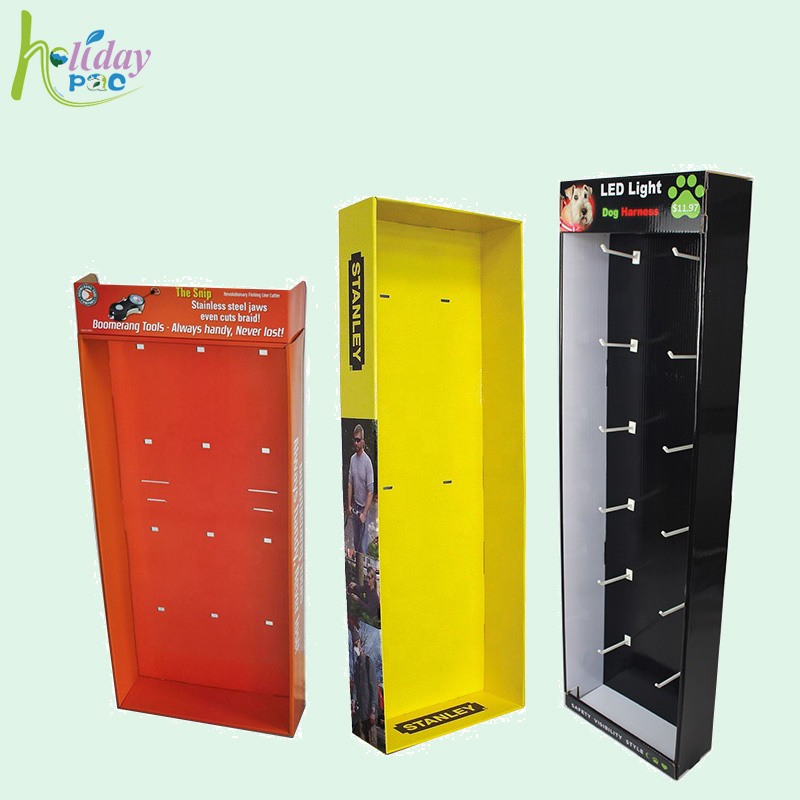
One of the smartest moves you can make is using a Power Wing for cross-merchandising.
Think about the logic:
You place a Power Wing full of AA batteries next to the electronic toy aisle.
You place a display of corkscrews next to the wine section.
You aren't just selling a product. You’re solving a problem the customer hasn’t realized they have yet.
Since we operate as a cardboard display factory, I have a bit of a "behind-the-scenes" view on what fails. I’ve seen brands try to cram too much information onto a Sidekick.
That’s a mistake.
Shoppers are usually moving at a decent clip when they pass these. You have about two seconds to grab their attention.
From a budget perspective, Power Wings are a win.
Because they are compact, they ship "flat" or "pre-packed." I usually recommend "pre-packed" for my clients. This means the display arrives at the store with the product already inside.
The store associates just have to pull it out of the box and hang it up.
If it’s easy for the retail staff, it’s more likely to actually end up on the floor instead of sitting in the backroom.
Retail marketing isn't just about being the biggest brand on the shelf. It’s about being in the right place at the right time.
The Power Wing is a low-cost, high-impact way to secure that "right place." It’s a workhorse. If you use it to solve a customer's immediate need through cross-merchandising, you’ll see the results in your weekly velocity reports.
It’s practical. It’s effective. And it works.


Links