Holidaypac
 Oct 04,2026

A successful custom packaging project connects the buyer’s requirements, the design decisions and the work on the factory floor. For brands, wholesalers and retailers, that connection matters as much as the appearance of the finished box or display.
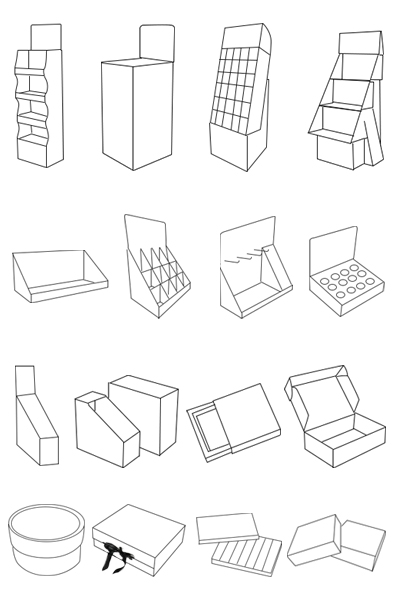
Holidaypac is a custom paper packaging and cardboard display manufacturer founded in 2010. Our work brings packaging and retail presentation together, from paper boxes and shelf-ready packaging to counter displays and floor displays. The office and workshop photographs in this article offer a look at the people and production environment behind that work.
For B2B buyers, the practical starting point is clear: define the product, confirm the structure and artwork, agree on an approval sample, and document the requirements before bulk production.
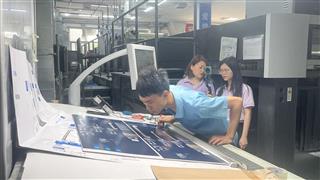
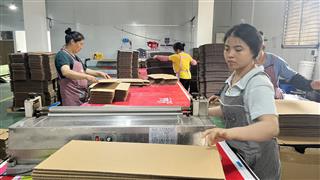
The photographs show two parts of the working environment: people gathered around a computer in the office, and operators handling brown paperboard sheets at production equipment in the workshop. These are useful views of collaboration and material handling. They also help buyers understand why a packaging order involves both planning and physical production.

A photograph cannot show every step in an order. It does not identify the exact machine process, confirm an inspection result or establish a finished product’s load capacity. Those details belong in the project specifications, sample approvals and relevant test records.
Before discussing a quotation, explain what the packaging or display needs to do. A shipping box must accommodate the packed product and its transport conditions. A counter display must fit the available selling space. A floor display needs a structure suited to the products, their weight and the planned retail setting.
The same outer dimensions can lead to different designs when the use changes. For example, a snack brand may need a tray that presents several product varieties clearly, while a cosmetics buyer may need separate compartments to keep smaller items organised. A clear brief helps the factory identify these differences early.
Include the product dimensions, individual weight, quantity per pack or display, target market and intended sales channel. For retail displays, add the retailer’s current written requirements when available. This gives the project a defined reference instead of relying on a general description such as “strong cardboard” or “premium packaging.”

Office communication has a practical purpose: keeping the project information consistent. Dimensions, artwork versions, material choices and packing instructions need to refer to the same approved design. When one changes, the other requirements may need to be reviewed as well.
For buyers sourcing internationally, written confirmation is especially useful. A short approval record can identify the agreed drawing, artwork file and sample version. It also helps prevent an earlier file from being treated as the final instruction.
At the design stage, ask how the structure will assemble and how the products will fit. Consider whether staff will need tools, how much space the display occupies and whether the packed units suit your handling arrangements. Resolving these questions before production is more useful than discovering them when the order arrives.
Paperboard selection should follow the job the product must perform. The required structure, product weight, print finish, storage environment and delivery method all influence the specification. A heavier material is not automatically the best answer for every project; the construction and intended use need to work together.
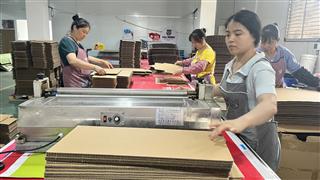
For packaging, review the fit and protection of the product. For displays, review the assembled stability and the agreed loading conditions. If a performance claim matters to your purchase, ask for evidence relevant to that design and material rather than transferring a claim from a different model.
Sustainability requirements should also be specific. If your project requires recycled content, certified sourcing or a particular disposal route, state that in the brief and request the relevant documentation. Coatings, adhesives and the local collection system can affect how a finished paper product is handled after use.
A sample turns a drawing into something the buyer can assess. It allows you to check the product fit, fold lines, opening method, assembly sequence and overall presentation. For a retail display, use the actual products or representative weights under the agreed conditions.
Review artwork separately from structure. Confirm the brand name, product wording, barcode placement and panel orientation. Where colour is critical, agree on the reference and approval method before bulk printing. Screen previews alone do not establish the final printed appearance.
Record any changes made after the first sample. A revised sample or updated drawing should make the final decision clear. This is particularly helpful when several people are involved in purchasing, marketing and operations.
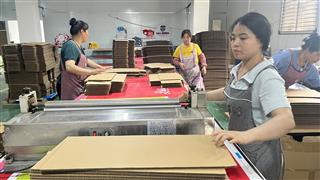
Bulk production involves repeated handling of materials and components. The workshop photographs show the physical side of that work: operators, sheets and stacks of material around the equipment. For buyers, the relevant question is how the agreed specification will be applied to their own order.
Discuss the acceptance criteria before production begins. Depending on the project, these may cover dimensions, printing, bonding, assembly and packing. Any inspection plan should identify what will be checked, when it will be checked and how the results will be recorded.
Packing arrangements deserve the same attention as the product itself. Confirm whether the units will ship flat or assembled, the quantity per carton, component labelling and the assembly instructions. Flat-packed displays can require additional work at the destination, so the decision should reflect your warehouse and retail operations.
Holidaypac’s focus combines custom paper packaging with cardboard retail displays. This is useful for buyers who need to consider both how a product is packed and how it will be presented in a store.
A product launch may involve a branded box, a counter display and a shelf-ready tray. Planning these items together helps the buyer coordinate the dimensions, visual identity and intended use across the project. Each item still needs its own approved specification.
Since our founding in 2010, packaging and display manufacturing has been central to Holidaypac’s business. Our aim is to make the purchasing conversation practical: understand the brief, discuss suitable options and turn the agreed requirements into a project that the buyer can review.
If some details are still undecided, identify them clearly. Holidaypac can discuss the brief with you so that the quotation and sample development reflect the actual project. Any MOQ, sample schedule and production lead time should be confirmed for the specific order.
Holidaypac manufactures custom paper packaging and cardboard retail displays, including paper boxes, counter displays, floor displays and shelf-ready packaging.
Prepare the product dimensions and weight, intended use, order quantity, printing requirements, destination and required delivery date. Include retailer specifications if they apply.
Yes. Buyers can discuss packaging and cardboard displays within the same project brief. Each item needs its own dimensions, material requirements, artwork and approval.
The photos show office collaboration and workshop paperboard handling. They do not confirm a specific machine process, inspection result or product performance rating.
Review the structure, product fit, assembly, artwork and agreed loading conditions using an approval sample. Document the final specification and any revisions before bulk production.
Planning custom paper boxes, shelf-ready packaging or a cardboard display? Explore our custom printed cardboard PDQ display box and cardboard end cap display for beverages for related project examples. Share your product details and project requirements with Holidaypac. Start with a clear brief and build an approval plan that suits your brand, your products and your buying process.
Visit Holidaypac to explore our packaging and retail display business.


Links