Holidaypac
 Sep 25,2026

Short answer: The EU Packaging and Packaging Waste Regulation (PPWR, Regulation (EU) 2025/40) has applied since 12 August 2026. For anyone selling food in Europe, three things matter right now: food-contact packaging must be essentially PFAS-free, every packaging type needs an EU Declaration of Conformity with technical documentation, and packaging may not be designed to look bigger than it is. Recyclability grades, recycled-content targets and new labels follow from 2028 to 2030.
At Holidaypac, we have made food packaging and retail displays since 2010, and we ship to brands across Europe and North America. This guide is the checklist we walk our own customers through, written so that buyers, not only lawyers, can act on it.
The PPWR replaces the 30-year-old Packaging Directive (94/62/EC). Because it is a regulation, not a directive, it applies word for word in all 27 EU member states. There is no national transposition to wait for and no country-by-country interpretation to hide behind. It entered into force on 11 February 2025 and started applying on 12 August 2026.
It covers every type of packaging placed on the EU market (sales, grouped, transport and e-commerce packaging), whether the box was folded in Germany or printed in Asia. If your product is sold in the EU, your packaging supplier is part of your compliance chain.
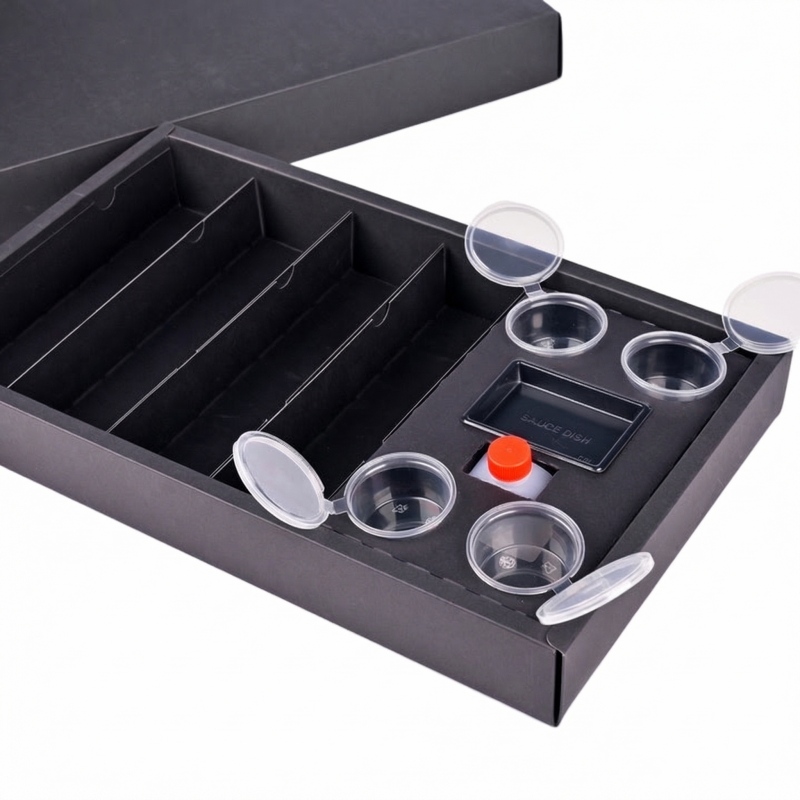
Food packaging touches the product, so it faces the strictest rules: the new PFAS limits apply specifically to food-contact packaging. Grease-resistant paper, bakery boxes, take-out containers, sushi trays and baking liners are exactly the categories where PFAS coatings were once common.
| Date | Requirement | What buyers should do |
|---|---|---|
| 11 Feb 2025 | PPWR enters into force | Map every packaging SKU sold into the EU |
| 12 Aug 2026 | General application: PFAS limits for food-contact packaging, EU Declaration of Conformity and technical documentation, heavy-metal limits, ban on deceptive design (double walls, false bottoms) | Collect PFAS test reports and a DoC per packaging type; remove any "fake volume" features |
| 12 Aug 2028 | Harmonised labelling: material composition pictograms and sorting information | Plan artwork updates into your next print runs |
| 1 Jan 2030 | Recyclability grades A, B or C required; minimum recycled content for plastic packaging; 50% maximum empty space for grouped, transport and e-commerce packaging | Choose mono-material, recyclable designs now |
| 1 Jan 2035 | "Recyclable at scale" test applies | Favour widely recycled materials such as paperboard |
| 1 Jan 2038 | Only grades A and B allowed | Design for the top recyclability grade |
PPWR key milestones for food packaging buyers
Since 12 August 2026, food-contact packaging may not contain per- and polyfluoroalkyl substances at or above these limits:
In practice that means grease and water resistance must come from the paper itself, from PFAS-free barrier coatings, or from a well-designed structure. Ask your supplier for recent test reports from an accredited laboratory for each material and coating.
Every packaging type now needs an EU Declaration of Conformity (DoC) supported by technical documentation. The file should show the materials, the substances of concern, the test results and the manufacturing controls. Documentation must be kept for 5 years for single-use packaging and 10 years for reusable packaging.
The combined concentration of lead, cadmium, mercury and hexavalent chromium must stay at or below 100 mg/kg. Printing inks and recycled fibres are the usual places to check.
Double walls, false bottoms and unnecessary layers that exist only to make a product look larger are not allowed. This is also good design: a right-sized box uses less board, ships more units per carton and looks more honest on the shelf.
A design you approve in 2026 may still be on shelf in 2030. Choosing mono-material paperboard, water-based inks and easily separable components today avoids an expensive redesign later.
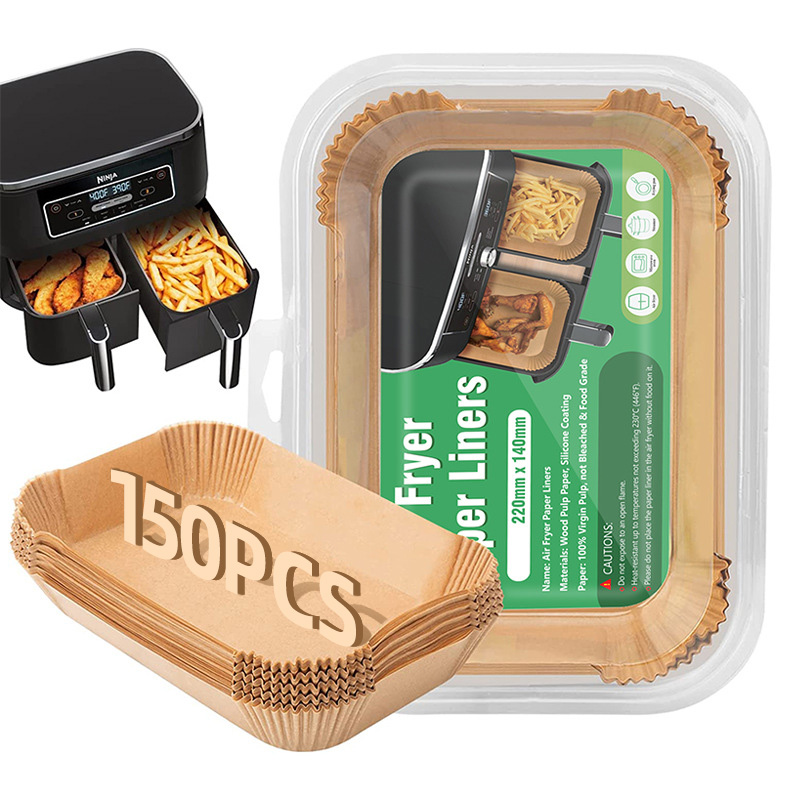
Baking papers, air fryer liners and greaseproof wraps are where PFAS questions come up most. Holidaypac produces these food-grade papers for bakery and household brands, and we can provide test documentation per material so your team is never guessing.
PPWR controls what is in your packaging. The EU Deforestation Regulation (EUDR) controls where the fibre comes from. Paper and paperboard products fall within its scope, and operators must prove the wood was not sourced from land deforested after 31 December 2020. After the December 2025 revision, EUDR applies from 30 December 2026 for large and medium operators, with small and micro operators following later.
Whether a specific carton is in scope depends on how it is placed on the market; packaging that only protects another product is treated differently from empty packaging sold on its own. Either way, traceable fibre and certifications such as FSC make every future audit easier. See our guide to why FSC certification is the new standard.
Regulations are written for brands and importers, but the evidence comes from the factory. That is why we believe a packaging supplier should think one step ahead of the customer. Holidaypac's working principle is simple: we put the customer first in every decision, from the paper we buy to the test report we attach to the shipment.
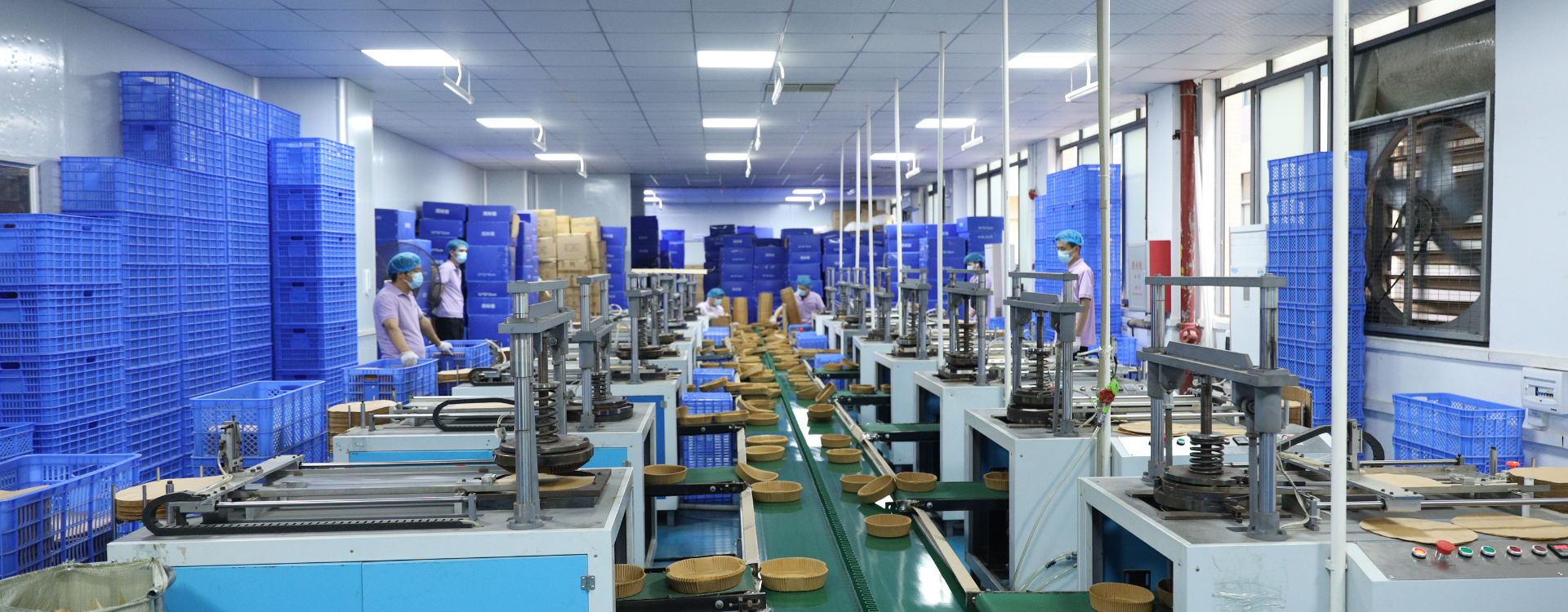
Our brand philosophy is "From Nature, Back to Nature": packaging should balance material, structure, beauty, cost and environmental responsibility. PPWR simply turns that balance into law.
The PPWR is Regulation (EU) 2025/40 on packaging and packaging waste. It replaces the old Packaging Directive 94/62/EC with one directly applicable law for all EU member states, covering substances in packaging, recyclability, recycled content, minimisation, labelling and reuse.
The PPWR entered into force on 11 February 2025 and generally applies from 12 August 2026. Other obligations are phased in later, including harmonised labelling from August 2028 and mandatory recyclability grades from 1 January 2030.
From 12 August 2026, food-contact packaging cannot be placed on the EU market if it contains PFAS at or above 25 ppb for any single targeted PFAS, 250 ppb for the sum of targeted PFAS, or 50 ppm for total PFAS including polymeric PFAS.
Yes. Packaging placed on the EU market needs an EU Declaration of Conformity backed by technical documentation that shows it meets the PPWR requirements that currently apply. Ask your packaging manufacturer for the supporting test reports for each packaging type.
Yes. The PPWR applies to all packaging placed on the EU market, wherever it is manufactured. Importers must make sure packaging from non-EU factories meets the same rules and carries the required documentation.
The EU Deforestation Regulation (EUDR) covers paper and paperboard products and requires proof that the wood fibre was not sourced from land deforested after 31 December 2020. It applies from 30 December 2026 for large and medium operators, so fibre traceability now matters alongside PPWR.
Send us your current food packaging specs and target markets. Our team will review materials, coatings and structure against PPWR and EUDR, and suggest the most practical, cost-effective path to compliance. Contact Holidaypac or explore our custom food boxes.
This article is general information, not legal advice. Always confirm requirements for your specific products with your compliance advisor.


Links