Holidaypac
 Oct 27,2026

Start with the selling location, then the packing plan
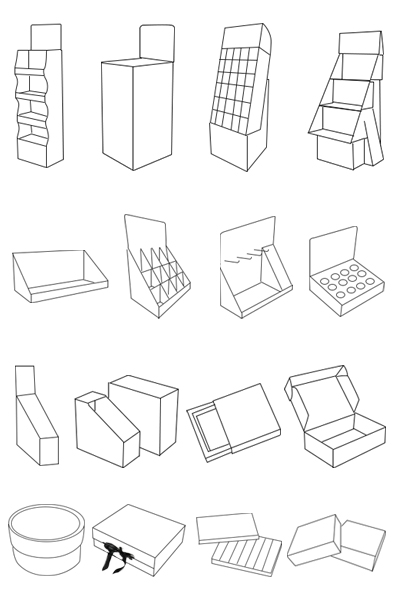
Display shippers and shelf-ready packaging can both present snacks at retail, but they answer different parts of a merchandising brief. A free-standing shipper display provides its own display structure. Shelf-ready packaging holds a group of products in a case or tray that is prepared for the intended selling position.
For a snack brand, the useful question is where the products will sell, how staff will replenish them and who will pack the merchandise. A display name alone does not confirm that a unit will arrive filled, assembled or approved by a particular retailer.
When does a floor shipper make sense?
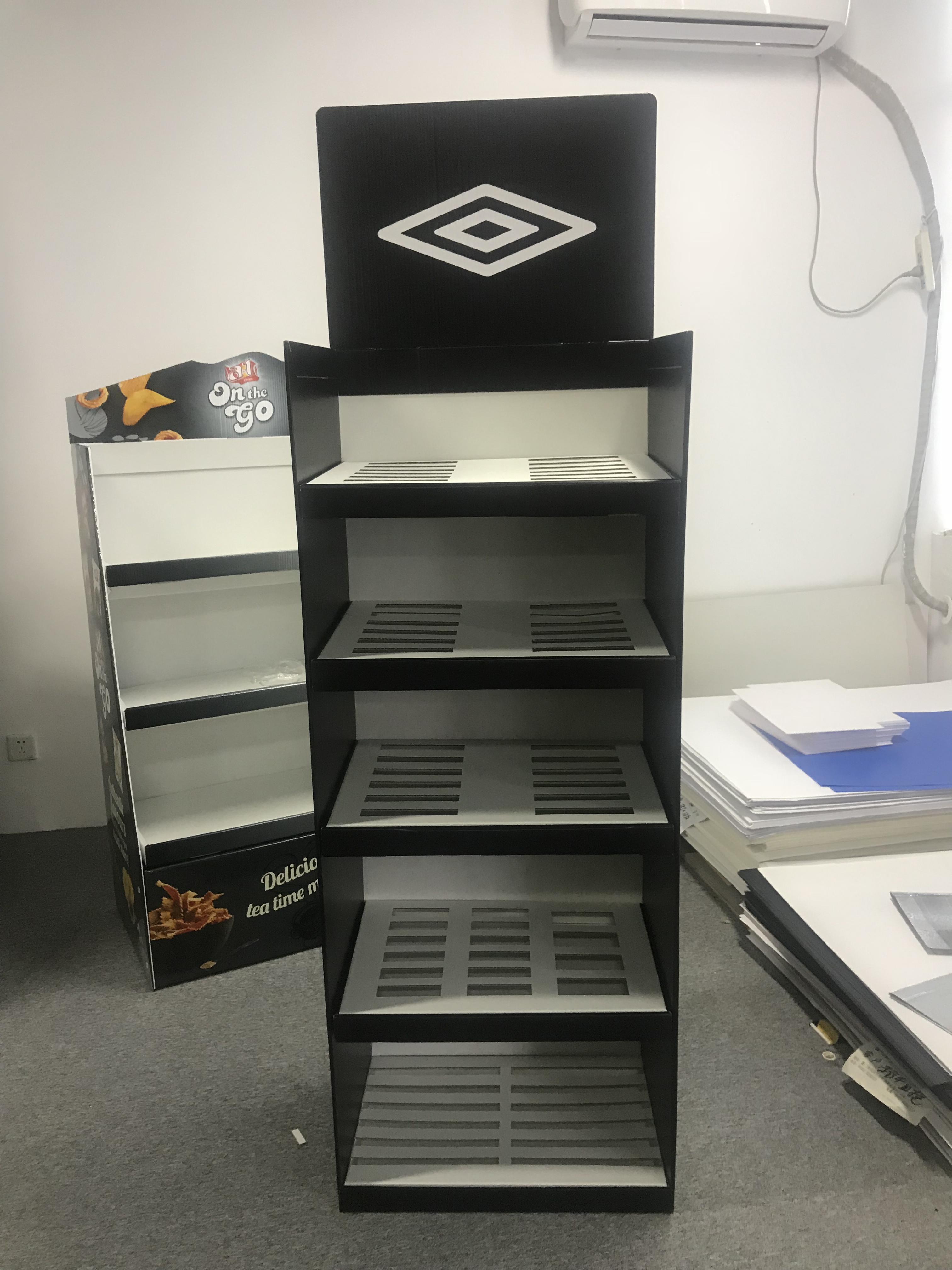
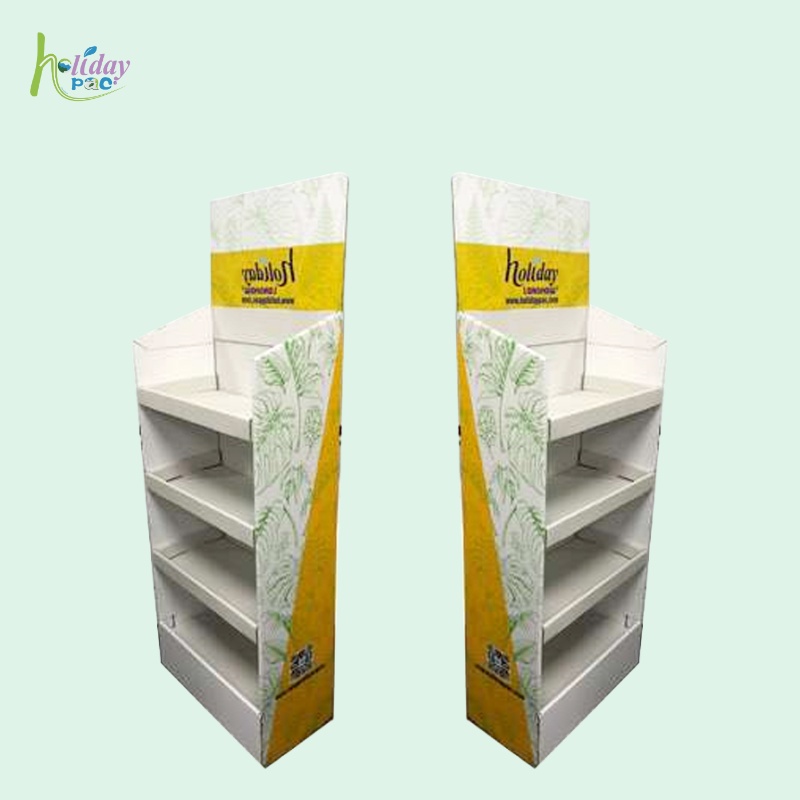
Consider a floor display when the retail brief allows a separate position for a promotion or an assortment. The empty four-shelf Holidaypac reference shows how a header and side panels can frame several product rows.
For snack boxes or bags, review the product height, depth and opening needed to remove one pack. Check whether the shelf arrangement still works when only a few products remain. This is a format example; it does not establish a fixed snack capacity or a tested shelf load.
See the Holidaypac four-shelf cardboard shipper display for the pictured structure.
When does shelf-ready packaging fit the brief?
Consider a shelf-ready tray when the retailer wants products replenished as a group in an existing shelf position. Agree on the usable tray opening, product count, barcode visibility and how any shipping cover will be removed.
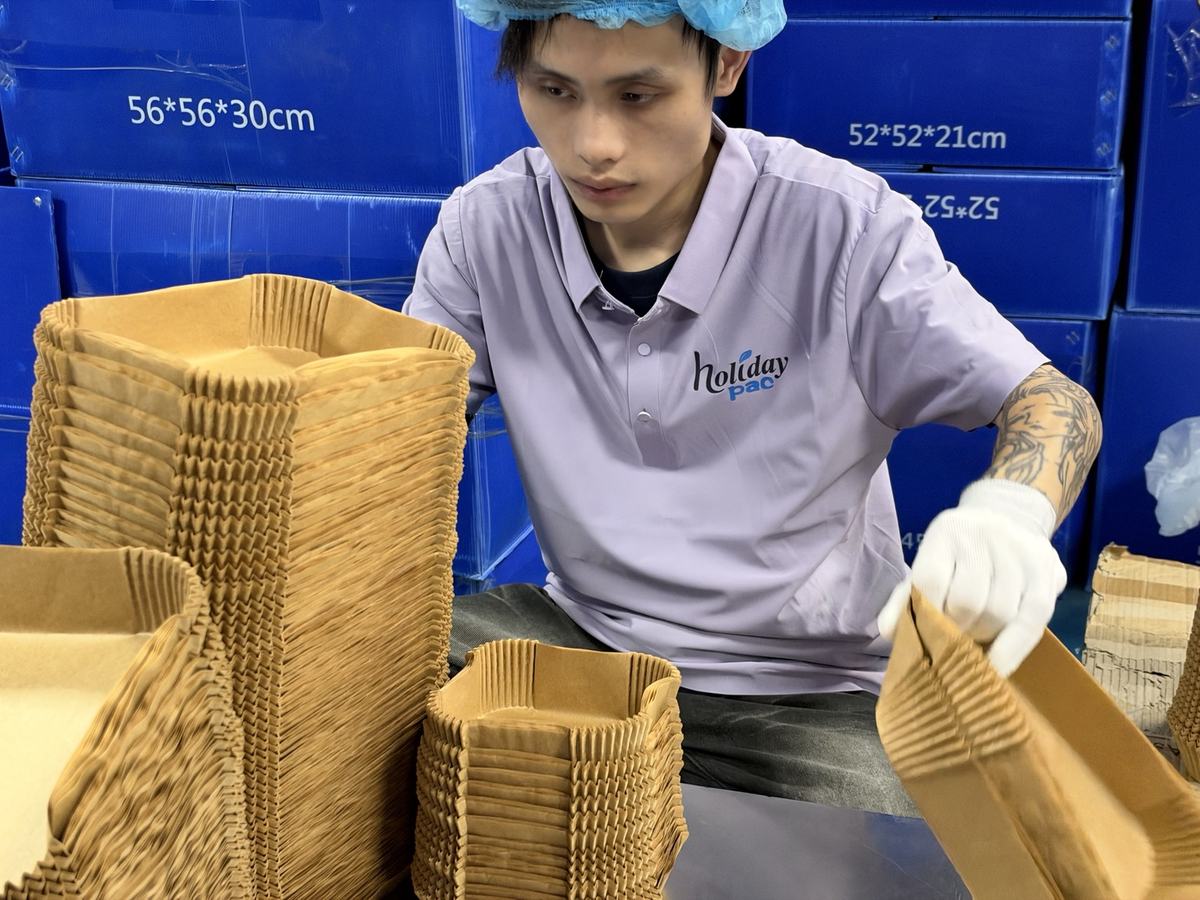
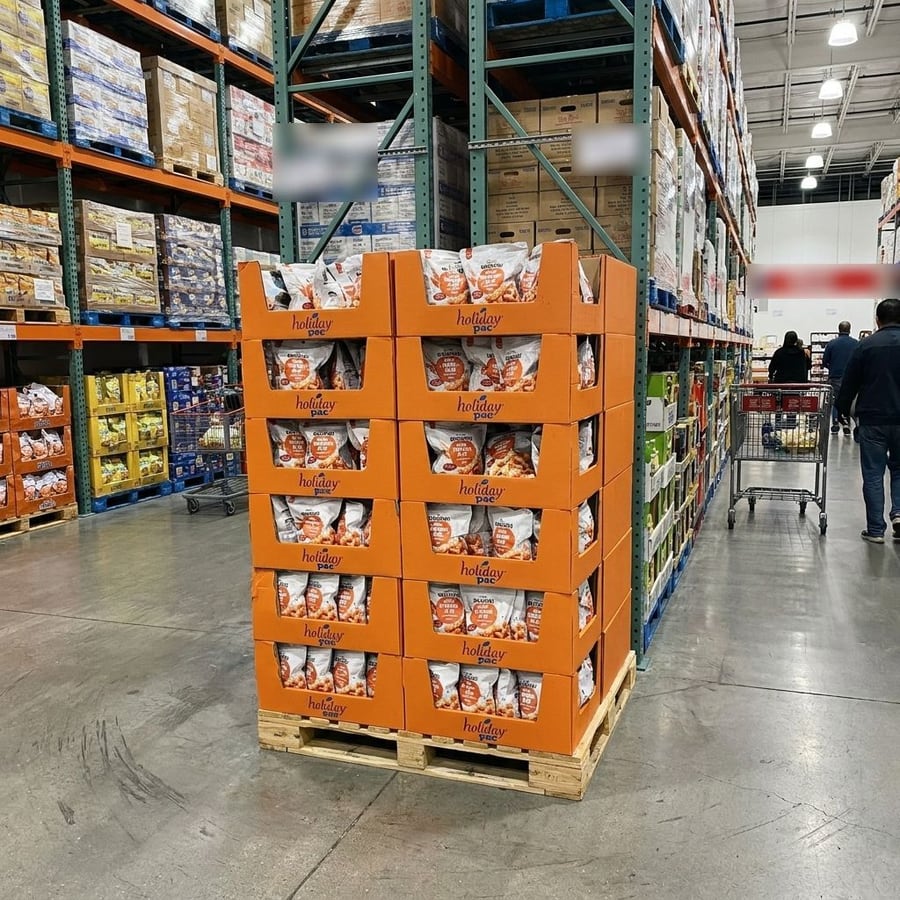
The orange snack trays pictured here show an important overlap: open-front trays can also be stacked into a pallet presentation. A tray and a floor promotion are therefore not always competing choices. The final layout, stacking and handling need to be agreed for the actual product.
Compare Holidaypac's stackable snack display tray example.
Compare the decisions behind each format
Use this table for the project brief. Neither format is automatically pre-filled or suitable for every retailer.
| Decision | Free-standing display shipper | Shelf-ready case or tray |
|---|---|---|
| Selling position | A separate, approved floor-display footprint | An agreed shelf, table or pallet position |
| Product arrangement | Rows planned across the display shelves | A case quantity grouped in one tray |
| Replenishment | Decide whether staff add individual packs or replace loaded trays | Decide whether the tray is replaced as a unit or topped up |
| Packing responsibility | Confirm who assembles, fills and protects the complete display | Confirm who fills, closes and prepares each case |
| Sample review | Product access, shelf fit, stability and the agreed handling plan | Pack fit, opening method, product visibility and any intended stacking |

Separate display dimensions from product capacity
The Holidaypac dimension reference shows a 50 by 30 cm footprint and 150 cm overall height for one floor-display design. It does not tell you how many snack bags will fit or what a shelf can carry.
For both formats, send the filled product pack rather than relying on a flat artwork file. Bags can change shape when filled, and cartons need clearance for removal. Compare the intended product arrangement with the actual sample before approving the final specification.
Agree on how display-ready packaging reaches the store
Write the assembly and filling arrangement into the brief. Useful options to discuss include empty components for later assembly, an assembled empty display, or a merchandise-filled program where that service has been agreed. These arrangements change who handles the product and which outer protection is needed.
For a snack campaign, identify who checks the product count, batch or date information, and artwork version before dispatch. Also confirm who is responsible for the receiving check and store setup. The display supplier, product packer and retailer should be working from the same approved plan.
A loaded display should be reviewed with its intended products, outer packaging and handling conditions. Do not assume that a photograph of an in-store unit proves that your proposed packed shipment is ready for distribution.
A short format brief for snack brands
- Define the store position. Share the retailer's current brief, available footprint and any shelf or pallet constraints.
- Identify the merchandise. Send filled product measurements and weight, the range of SKUs and the desired case or display quantity.
- Describe replenishment. Explain whether staff replace trays, top up shelves or place a whole unit.
- Assign packing and setup. Name who assembles, fills, ships and installs each part of the program.
- Approve a relevant sample. Review the actual products, print, access and packing configuration together.
A lighter-looking structure is not automatically the most economical option, and fewer parts do not guarantee less work in store. Ask for a quotation that reflects the agreed format and handling plan so the alternatives can be compared on the same basis.
Discuss the brief with Holidaypac
Holidaypac has developed cardboard displays and paper packaging since 2010, with manufacturing in Xiamen and a Shenzhen team. We can discuss the relationship between the retail structure, product pack and artwork rather than treating them as separate requests.
From nature. Back to nature. guides our preference for considered material choices and clear design. For your project, material specifications and environmental claims should be confirmed against the actual order.
Explore Holidaypac floor displays and shelf-ready packaging examples, then send Holidaypac your snack merchandising brief.
Frequently asked questions
Are display shippers always delivered full of products?
No. The term alone does not define the packing arrangement. Confirm whether the order covers an empty flat-packed display, an assembled empty unit or a merchandise-filled program.
Can shelf-ready trays form a pallet display?
Yes, some tray programs are designed for that use. The pictured orange snack trays illustrate this arrangement. Stacking, pallet layout and product access must be reviewed for the actual order.
Which is better for bagged snacks?
Choose around the approved store location, the bag dimensions, case quantity and replenishment process. A floor unit creates a separate display location; a shelf-ready tray presents products within an agreed shelf or pallet arrangement.
What should a snack brand send Holidaypac first?
Send product samples or accurate pack dimensions and weight, the retailer brief, case quantity, intended location, artwork, delivery destination and launch timing. These details support a useful format recommendation and quotation.