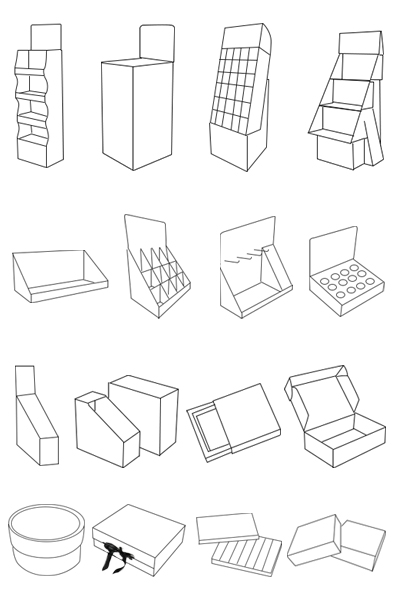
Choose the display format
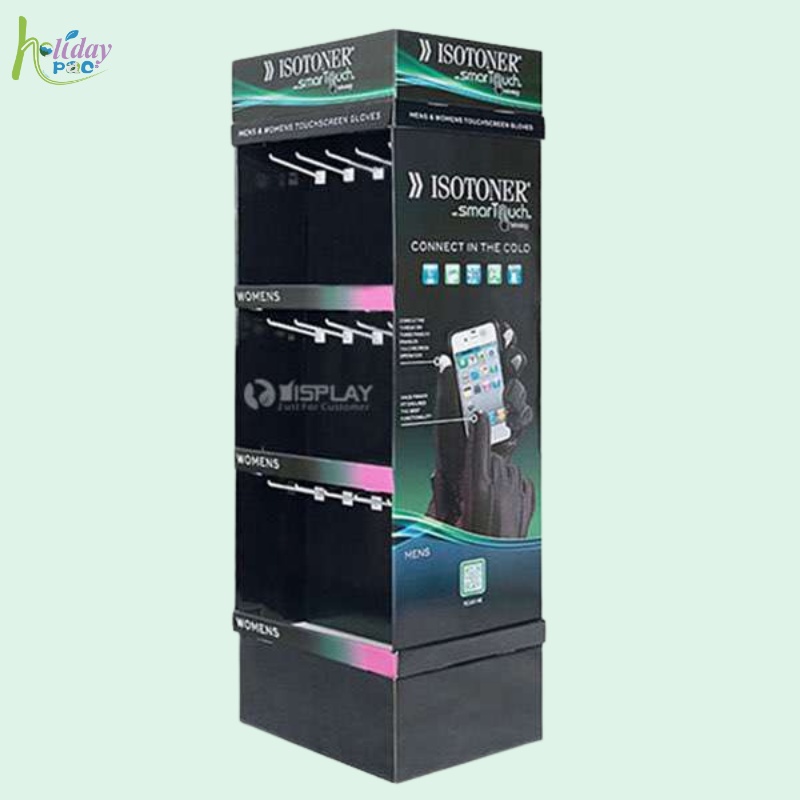
Floor-standing peg display
Start with the retail position and pack size. Compare a single-face floor stand, a sidekick, a counter unit or a four-sided tower before confirming the footprint.
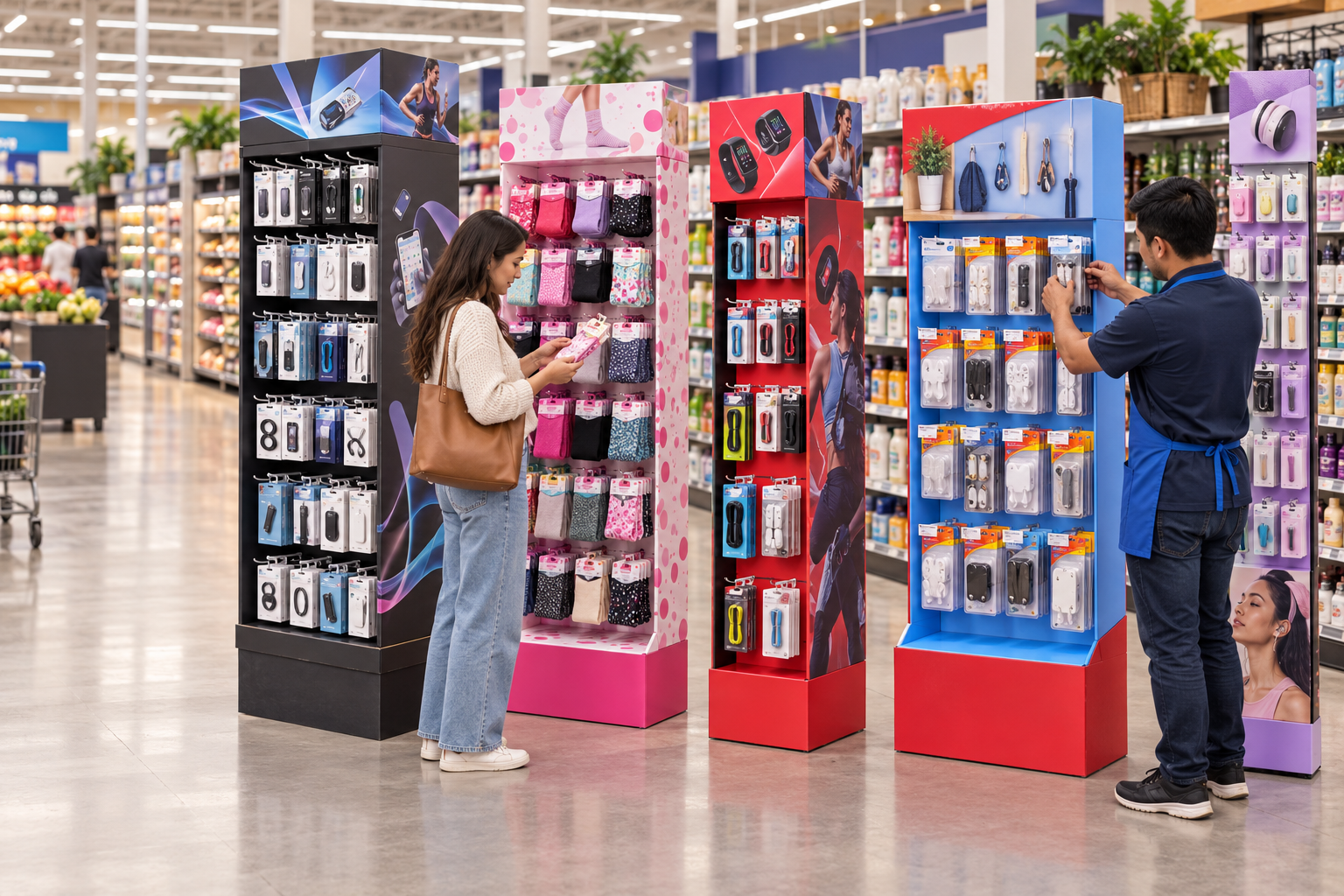
Holidaypac develops cardboard hook and peg displays around pack openings, product weight, hook spacing and the way shoppers browse.
From nature. Back to nature.Inspired by Zhuangzi’s wisdom.
Holidaypac retail concept · AI-generated from five real hook display structures


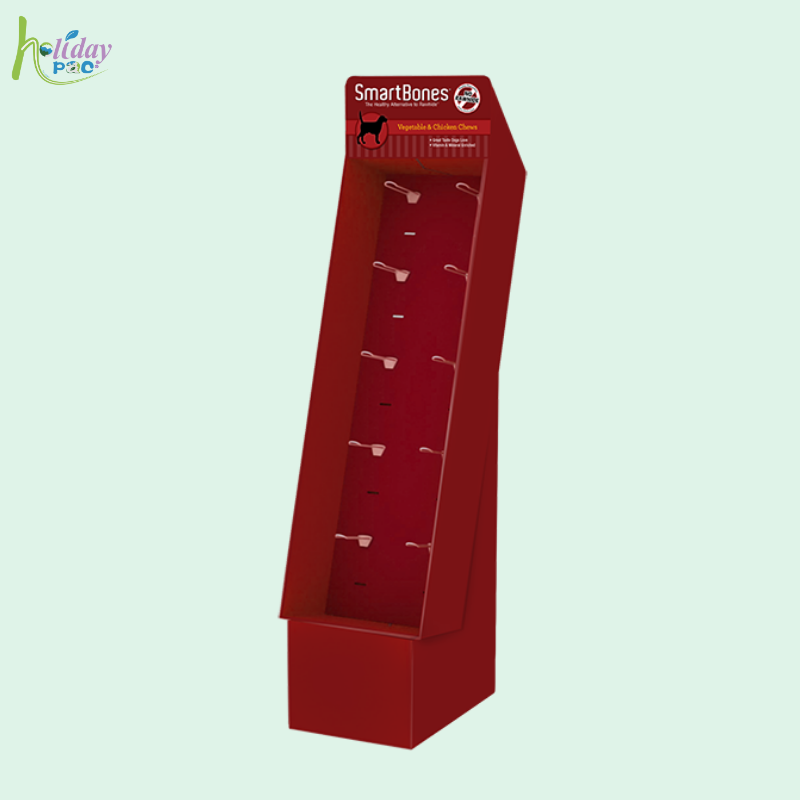
A strong hanging display makes small packaged products easy to scan, remove and replenish. Holidaypac combines structural planning, printed presentation and physical sample review so the hook layout supports the product instead of becoming decoration.
Start with the retail position and pack size. Compare a single-face floor stand, a sidekick, a counter unit or a four-sided tower before confirming the footprint.
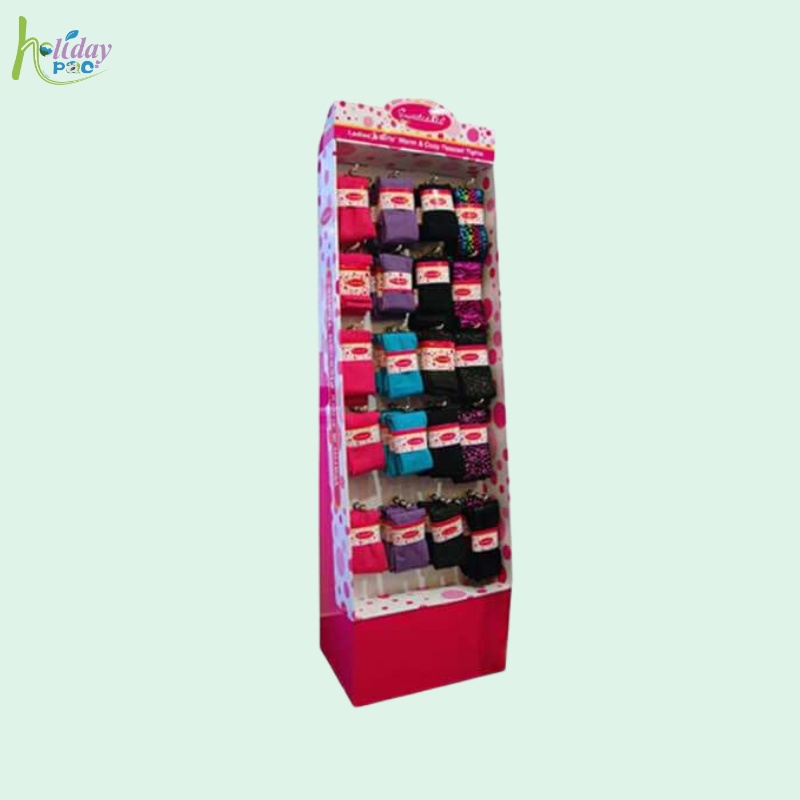
Use the pack front, hang hole and product depth to set hook spacing. Review whether shoppers can see choices and remove one pack without disturbing neighboring products.
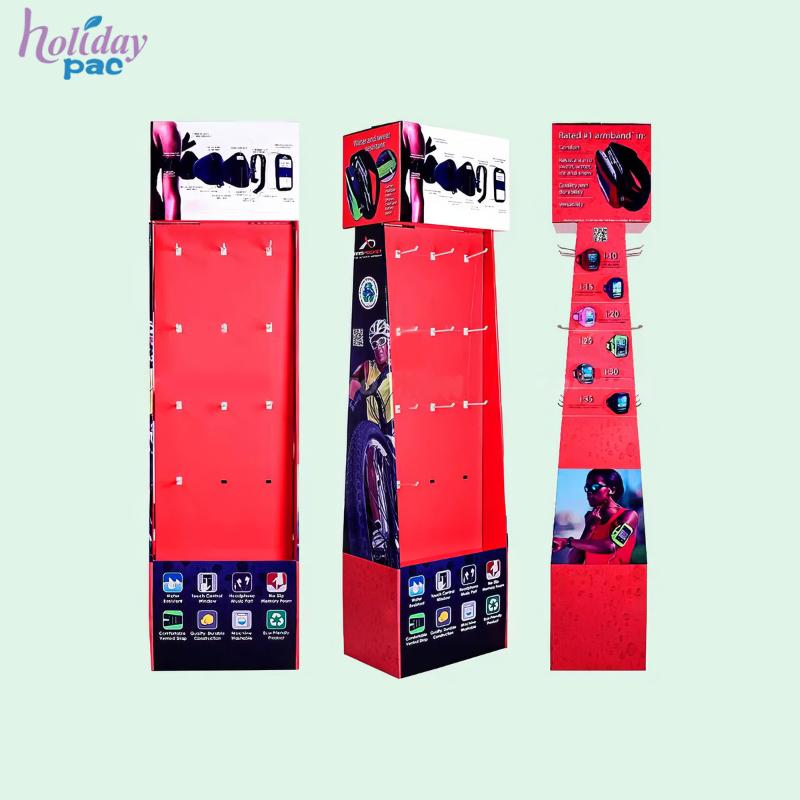
Coordinate the header, side panels and hook field so the campaign remains clear when the display is fully loaded. Confirm artwork against the approved structure.
Hook displays work best for products with a suitable hanging opening or retail tab. A shelf, tray, dump bin or pallet display may suit heavier, loose or differently packed merchandise. Choose from the product, store position and replenishment routine.
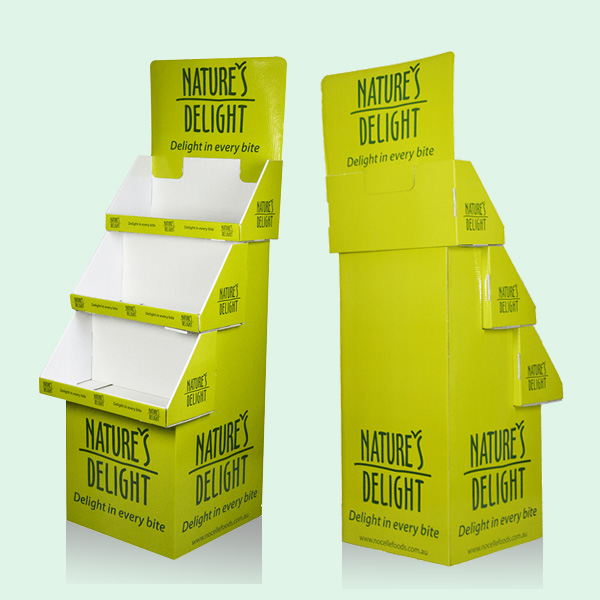
Freestanding shelving for individually merchandised products; compare aisle space and shopper access.
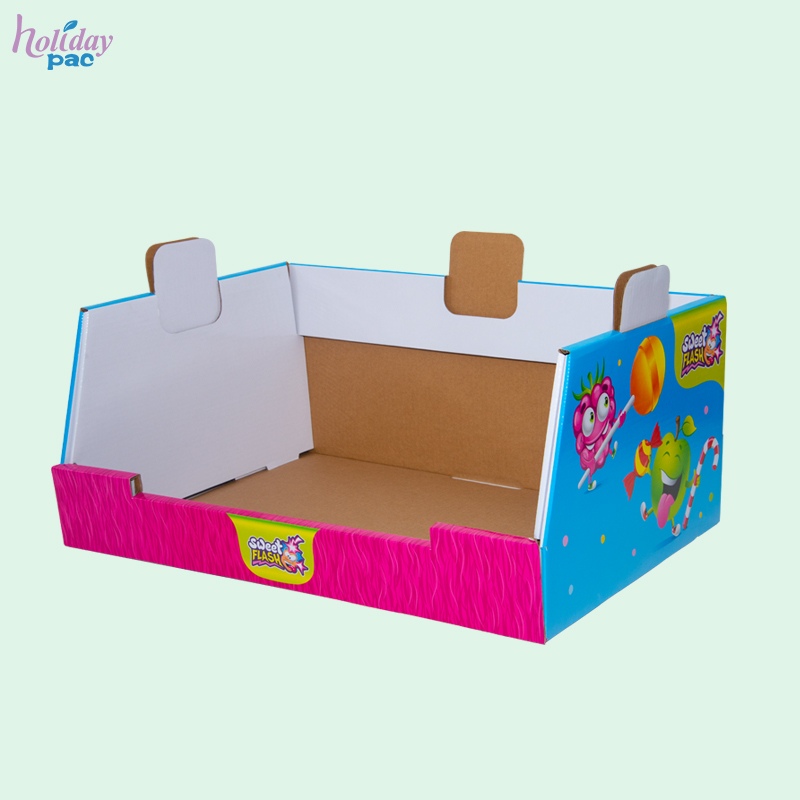
Open product trays that can also form part of a layered pallet merchandising system.
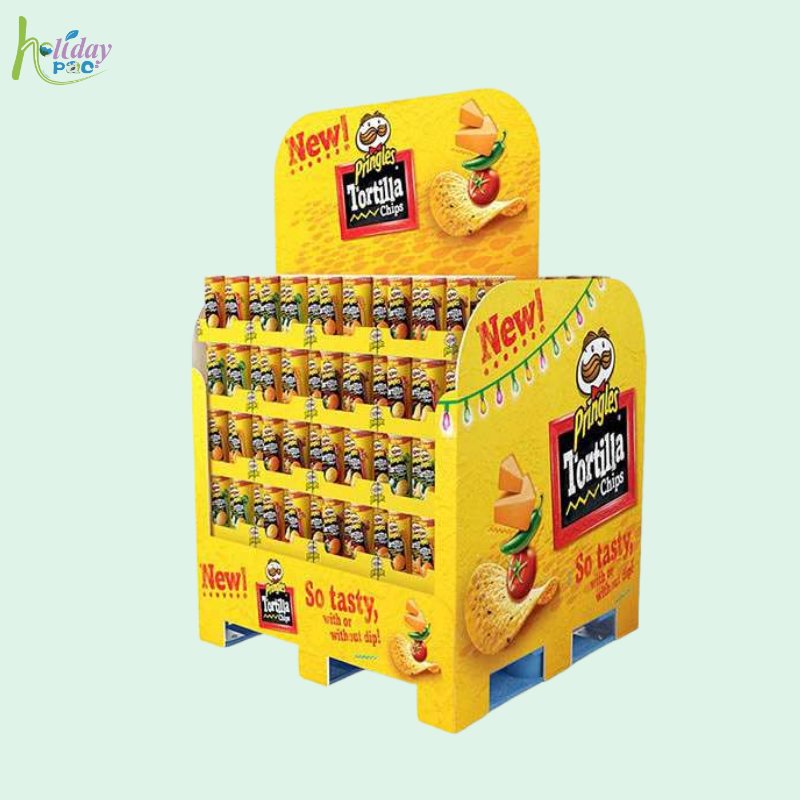
Compare pallet-based merchandising when the footprint, product load and store handling call for a larger format.
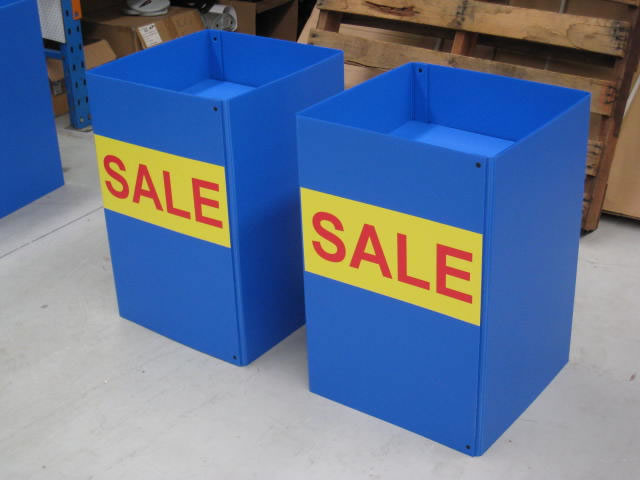
Compare open-top bins for loose or mixed packaged products when shoppers need browsing access rather than hanging presentation.
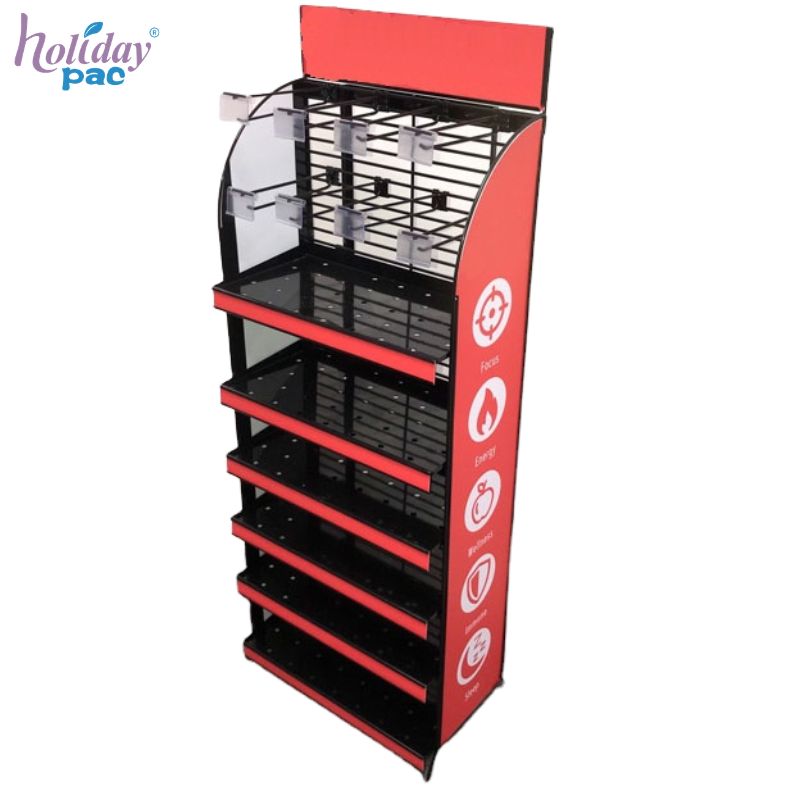
Compare material, service conditions and reuse plans when a different structural approach is needed.
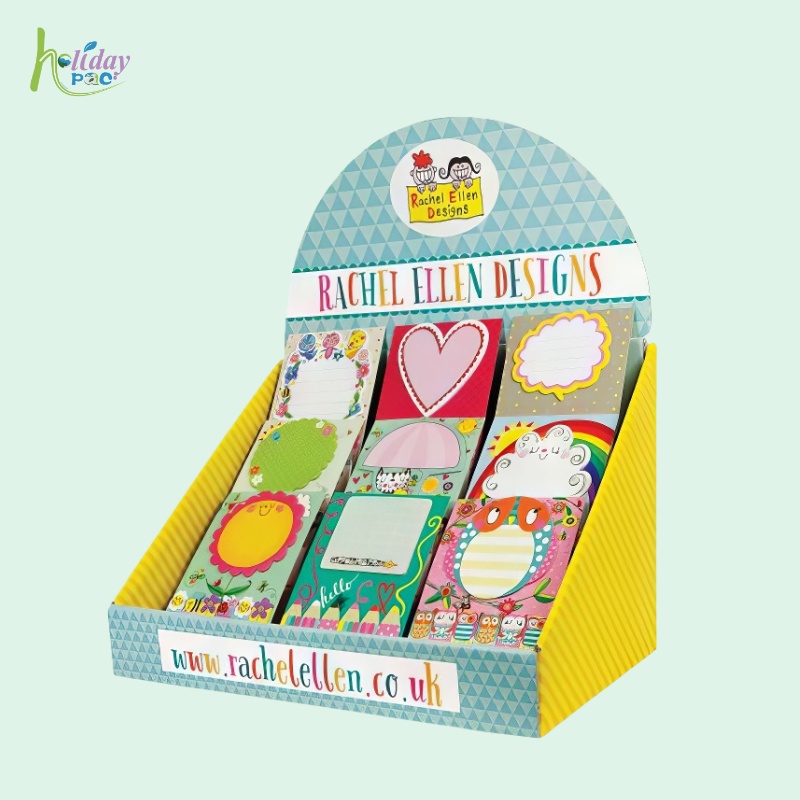
Compact countertop formats for checkout areas and smaller product assortments.
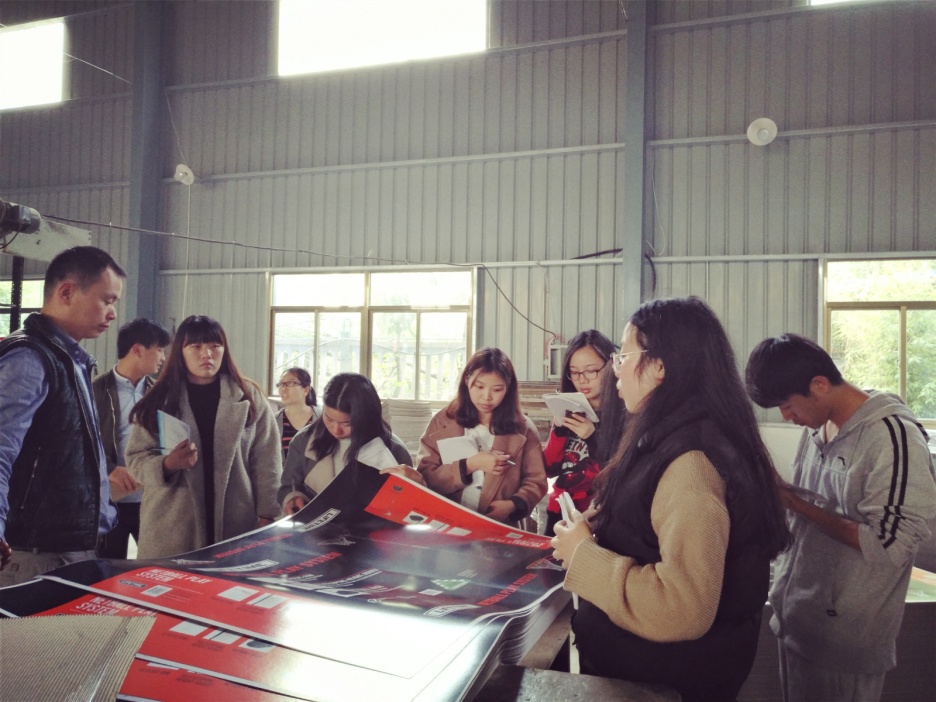
Review with the people who make it
Bring the actual pack or a dimensioned sample. Confirm the hang hole, gross weight, pack depth and the way the front graphic must remain visible.
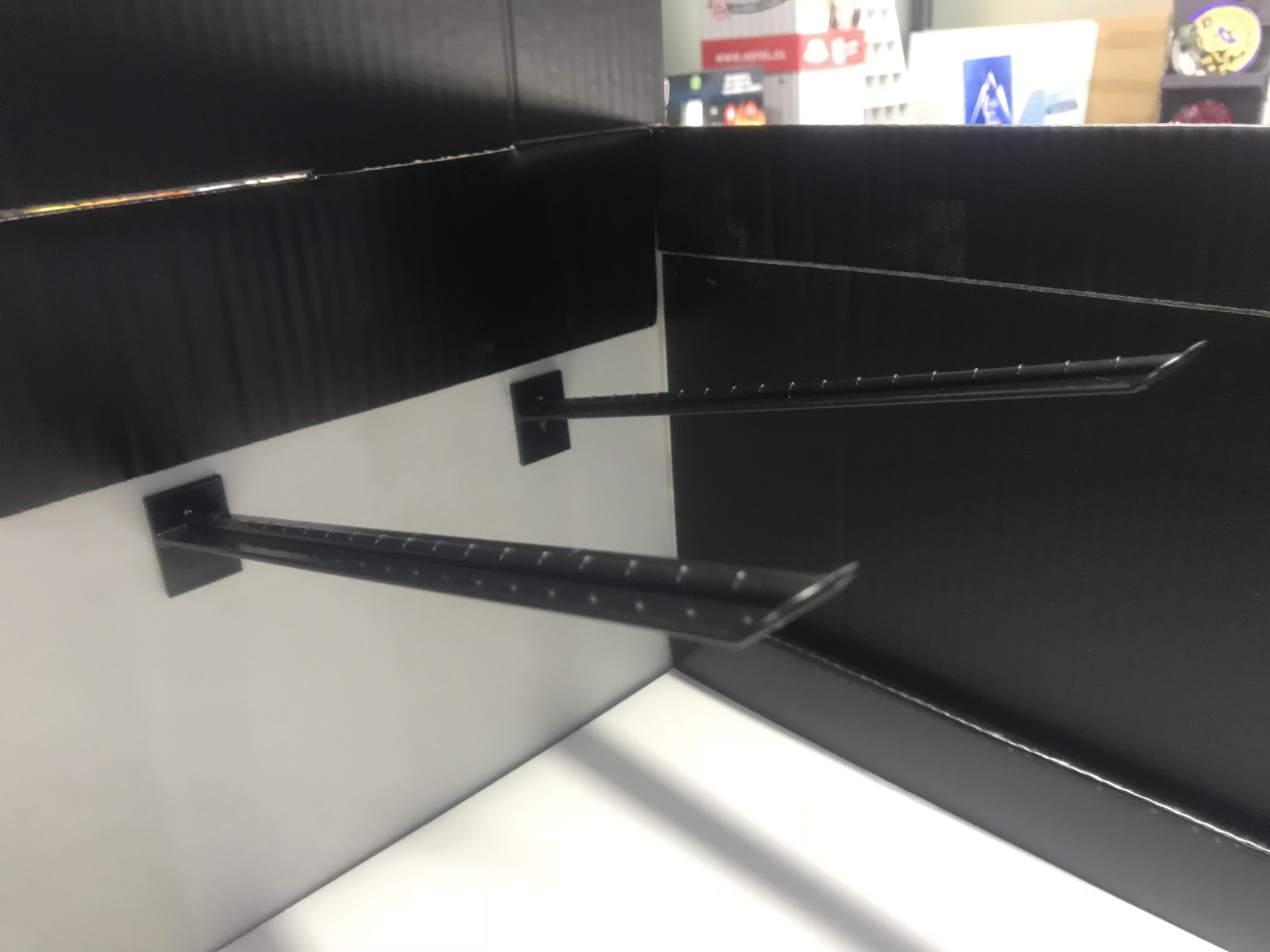
Real hook spacing detail
Agree hook length, horizontal and vertical spacing, product facings and the empty area needed for replenishment. Check the display footprint and base at the same time.
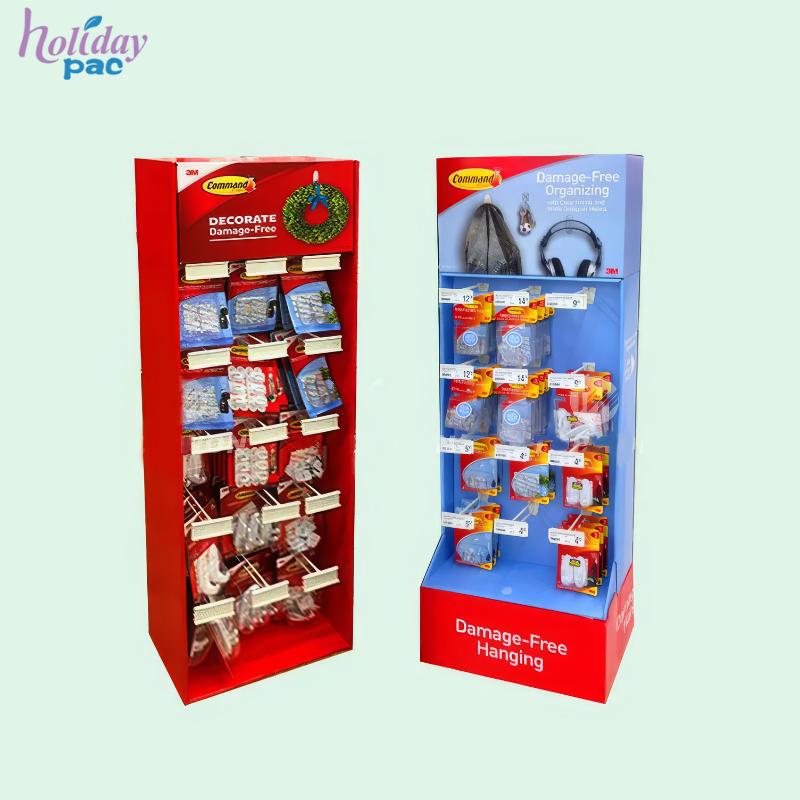
Loaded hook display references
Assemble the display, fit the hooks and load the intended products. Check panel deflection, hook security, balance and access using the agreed retail quantity.
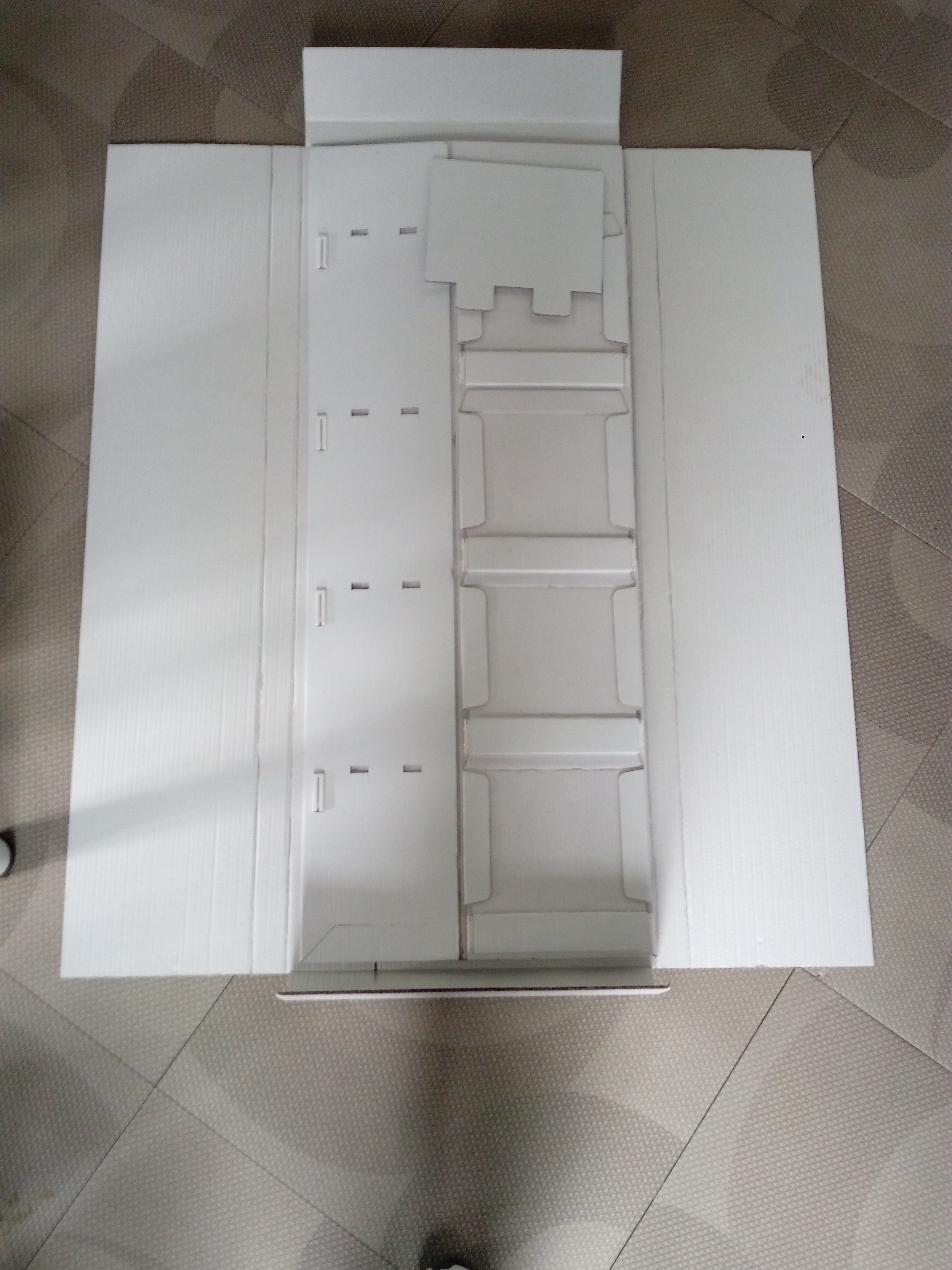
Flat-pack format reference
Agree flat or assembled supply, hook protection, carton identification and setup instructions so the receiving team can build and load the display correctly.
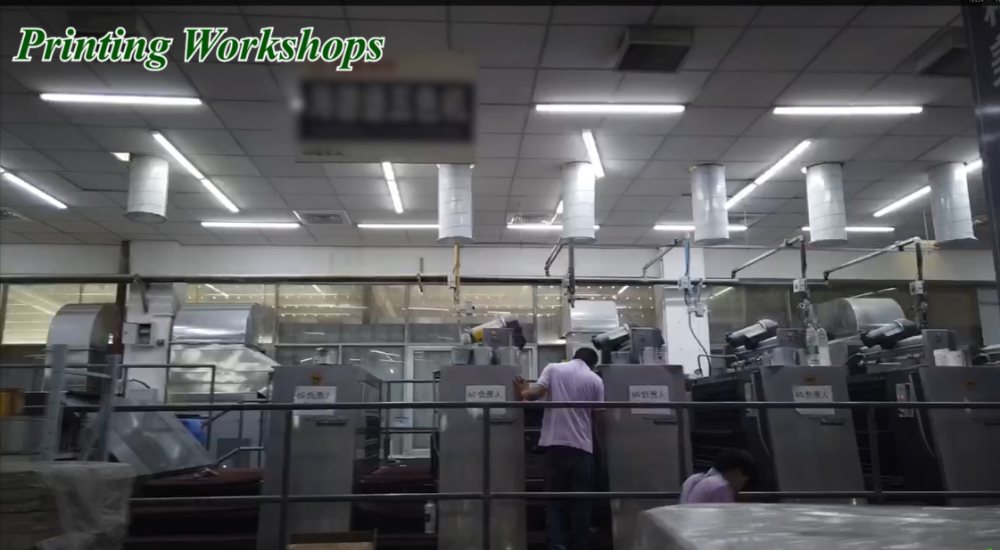
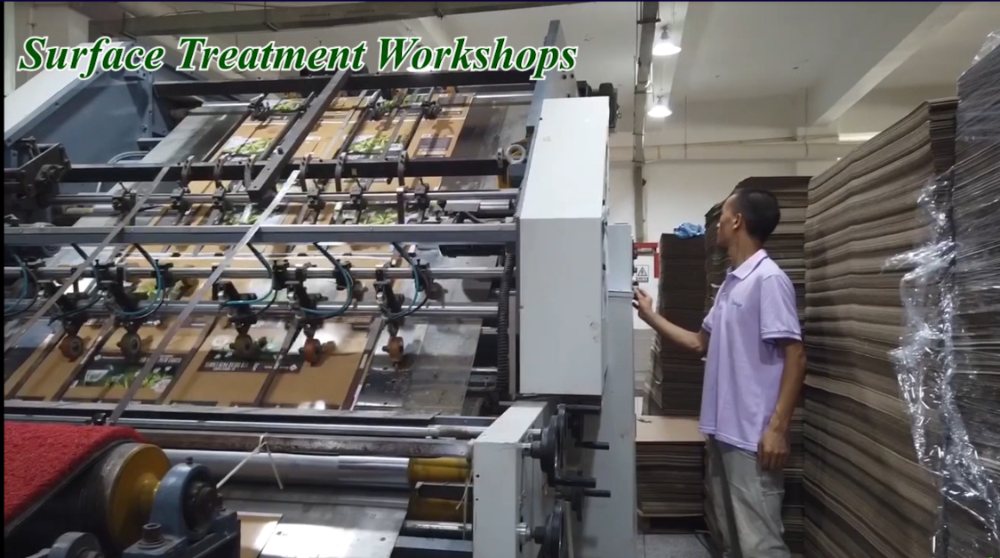
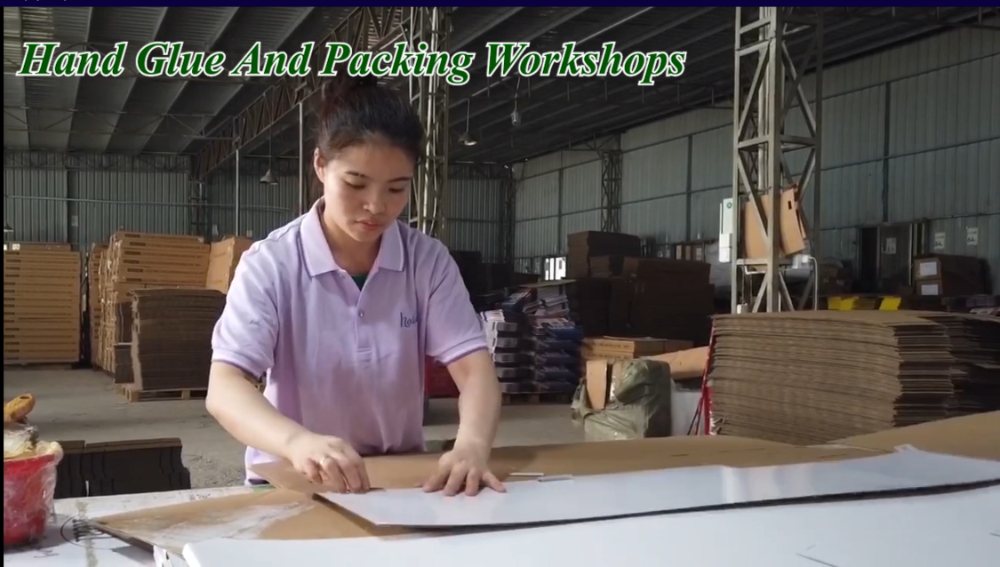
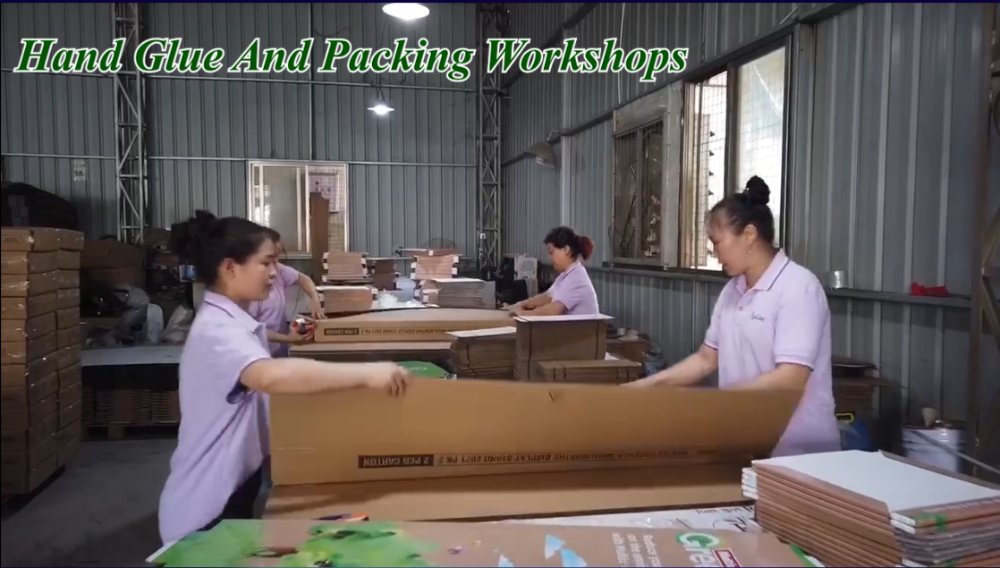
The team photograph shows Holidaypac staff reviewing print in the workshop. The hook, assembled-display and flat-pack photographs are real archive references; they illustrate distinct checks rather than one continuous customer project. Each project still requires its own confirmed pack, load and retail brief. Explore display templates.
A hook display presents packaged products on projecting pegs or hooks fixed to a cardboard, plastic or metal-supported panel. It can be freestanding, countertop, wall-adjacent, sidekick-style or four-sided. The right design depends on the hang-hole style, gross pack weight, hook quantity, product depth and the expected shopping and replenishment pattern.
A focused front-facing hook field suits a compact product range. Compare the thermal-sock display with your pack width and facings.
Multiple faces increase capacity and browsing access. The four-sided hair-extension display is a useful structure reference.
Shorter units keep small accessories near the checkout or service counter. See the countertop peg display format.
Hooks and shelves can support mixed packages. The accessory display with shelves shows one way to combine presentation methods.
Share pack width, height and depth, gross unit weight and the exact hang-hole or retail tab. A photograph and physical sample reduce assumptions.
Confirm hook material, usable length, product facings and vertical clearance. The layout must leave room for the package and a shopper’s hand.
Provide height and width limits, the intended store position and whether shoppers approach from one, two or four sides.
State the target quantity per hook and per display. Review the loaded sample, base support and refilling sequence before production approval.
Printed Panels | Board & Support | Hooks & Fixings | Packing & Setup |
|
|
|
|
Check header artwork, visible side panels, fold positions and any product identification against the approved sample. | Specify board, flute, laminations and base support around the agreed loaded weight and retail handling conditions. | Review hook type, hole reinforcement, fixing method and retention under the intended product load. | Agree whether hooks ship fitted or separately, how they are protected and how store staff assemble and load the display. |
Small packaged accessories need clear facings and usable label visibility. Compare mobile accessories and electronic accessories.
Soft packs often need repeated facings and simple replenishment. Review sock packs and apparel accessories.
Compact products benefit from disciplined spacing and a clear header. See the beauty accessory display for a merchandising reference.
Different pack depths and weights may require mixed hook spacing. Compare the pet-supply display and game-controller display.
Counting hooks alone does not define capacity. The pack thickness, number of units per hook, front-to-back clearance and safe replenishment access determine the usable load.
Leave enough width for the widest pack and for fingers to remove one item without pulling adjacent products.
Allow for the package body below the hang hole, product swing and any header card or label above the next row.
Agree the target stack depth using the actual packaged product. Confirm the loaded weight and how the front pack sits at low stock.
Define which products share a face, how they are labeled and the order in which staff replenish them. Use the sample as the final planogram reference.
Our company materials emphasize honest business, patient communication, practical design advice and quality checks. We apply those values to the small structural details that determine whether a hook display is useful in store.
Record pack data, hook assumptions, sample changes and open questions clearly so the quotation and approved structure refer to the same brief.
Choose the display type and support around the actual merchandise, hook load and store position rather than forcing every product into one standard shape.
Use the approved loaded sample and artwork to check dimensions, print, hook positions, assembly and packing throughout production.
From nature. Back to nature. This principle encourages considered material use. Confirm board, coatings, hardware and the end-of-use route for the target market without relying on blanket claims.
1. Q: What information do you need for a custom hook display?
A: Send packaged product dimensions, gross unit weight, hang-hole details, units per hook, target facings, display footprint limits, order quantity, artwork status, destination and required date.
2. Q: How do you decide hook spacing?
A: Hook spacing follows the widest and tallest packaged product, the hang-hole position, desired facings and shopper access. We recommend checking a loaded physical sample.
3. Q: Can a display combine hooks and shelves?
A: Yes. A hybrid structure can support mixed packages, but the shelf load, hook load, panel support and replenishment sequence should be reviewed together.
4. Q: Can hook displays be supplied flat-packed?
A: The supply format is agreed for the project. Confirm whether hooks ship fitted or separately, the setup steps, protection, carton markings and who loads the merchandise.
5. Q: What products suit cardboard peg displays?
A: They commonly suit packaged accessories, socks, gloves, beauty items, small electronics, toys and pet products when the retail pack has a suitable hanging opening and the load is confirmed.
6. Q: Can Holidaypac print our campaign artwork?
A: Share the artwork and print reference. Review the header, visible panels, fold lines, hook field and loaded appearance against the approved sample before production.
Tell us what will hang on the display, how many units each hook should carry and where the display will be used. Add dimensions, weight, artwork and destination so Holidaypac can review the structure. Ask Holidaypac to review your project.
Links