Holidaypac
 Mar 25,2026

Author: Cassie Lan, Founder of HolidayPAC.
Having been deeply engaged in the paper packaging industry for many years, as the founder of Holidaypac, I often reflect: “In today’s fiercely competitive price war environment, what enables a factory to establish itself?” My answer has always been consistent: we do not make money from our customers; we help our customers make money from the market.
At Holidaypac, we do not position ourselves as a simple “OEM factory,” but rather as a strategic symbiotic partner to our clients. The following are several core philosophies that we have always upheld while building a global packaging supply chain, and they are also the unique values we can create for every partner. I will elaborate on how Holidaypac becomes your global packaging strategic partner from the following eight aspects:
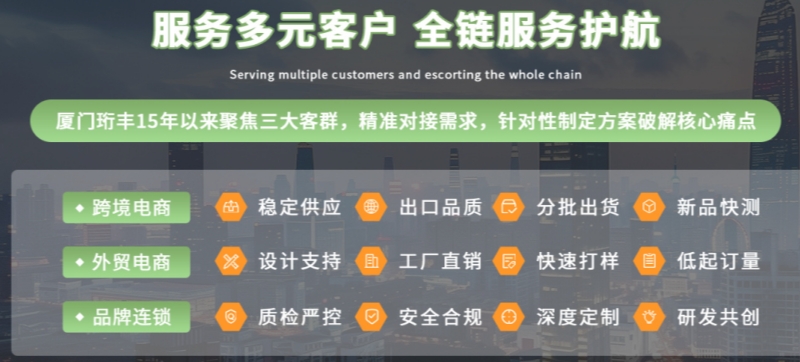
Regarding “customer strategic management,” Holidaypac has developed a highly systematic and mature framework, with its core centered on long-termism, risk diversification, bilateral evaluation, and benefit symbiosis. It can be summarized into the following key strategies:
Holidaypac’s customer strategic management is not based on blind compromise. Instead, it is built on equality, mutual achievement, and strict risk control. By cultivating a healthy customer ecosystem, we achieve stable and long-term profitability.
Regarding the operation of Holidaypac as a physical packaging factory, we demonstrate an extremely pragmatic、transparent, and highly strategic management philosophy. Holidaypac’s business philosophy does not stop at manufacturing itself, but extends to risk control, team DNA, and long-term asset planning. We elaborate from the following dimensions:
Physical packaging factories often fall into extremes—either understanding production but not sales, or focusing on sales while neglecting production. Holidaypac consistently insists on embedding a trading mindset within the factory and a manufacturing mindset within trade (“operate trade within the factory, and operate factory thinking within trade”). Only by understanding both sides can we achieve true “balance” in today’s trade environment—recognizing the challenges of securing orders on the sales side while empathizing with the hard work of production workers, thereby enabling both supply and demand sides to operate smoothly and harmoniously.
In factory hardware investment, Holidaypac rejects the blind pursuit of superficial “high-end” standards. For example, for paper packaging products with only a few cents of profit, forcing a fully sterile, dust-free workshop would result in extremely high temperature-control and renovation costs, making profitability impossible. We describe such behavior as “using a cannon to kill a mosquito.”
In financial management, Holidaypac avoids aggressive expansion and excessive leverage, maintains strong cash flow, and never blindly follows trends to invest in unfamiliar fields (such as stock speculation), ensuring that the company can “stand upright” in any economic cycle.
In response to chaotic market competition driven by falling prices and disorderly tactics, our strategy is to “retreat to advance” and “exit quickly,” refusing to engage in meaningless consumption.
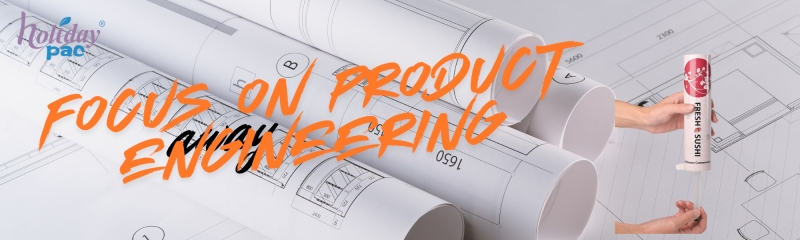
We focus our energy on scenario-based product development. For example, we developed a “2.0 disposable ashtray” designed for specific use scenarios, incorporating polymer materials that absorb ash when water is added, preventing dispersion. We win the market through differentiated product value rather than low pricing.
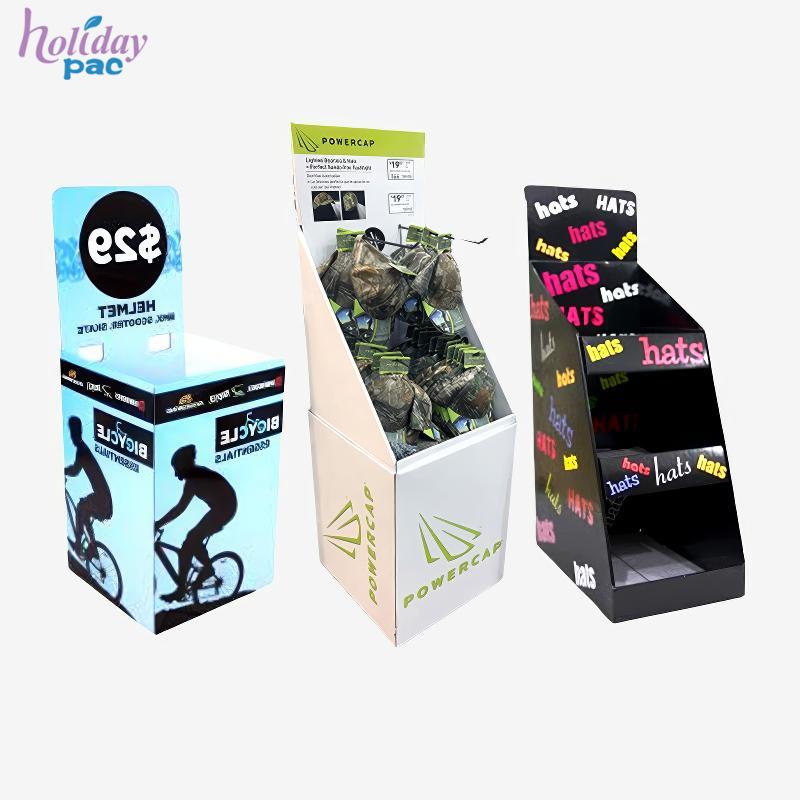
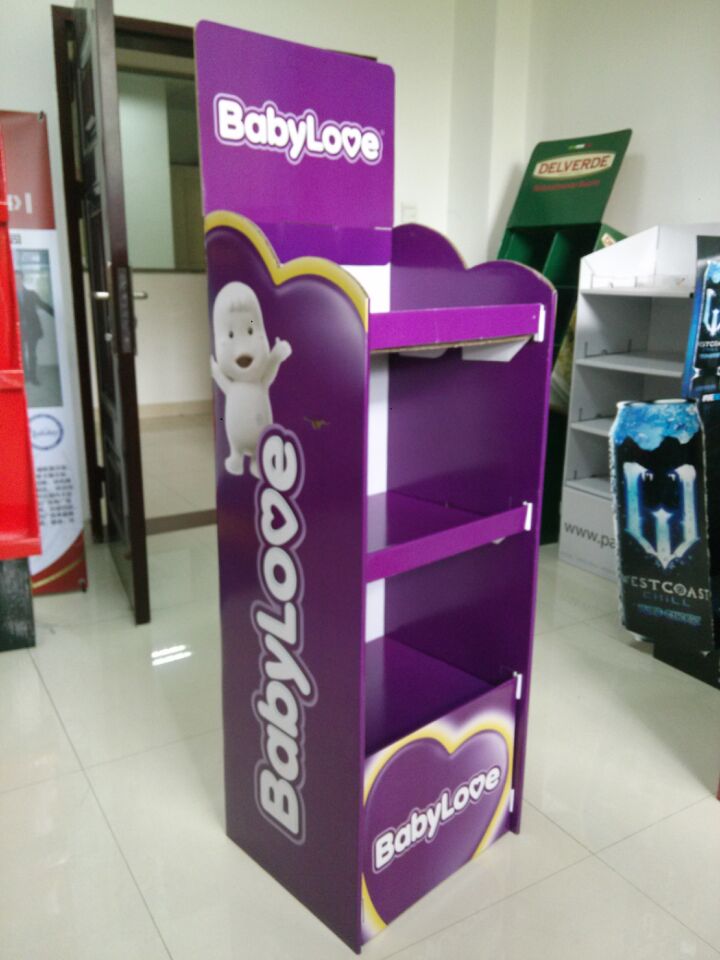
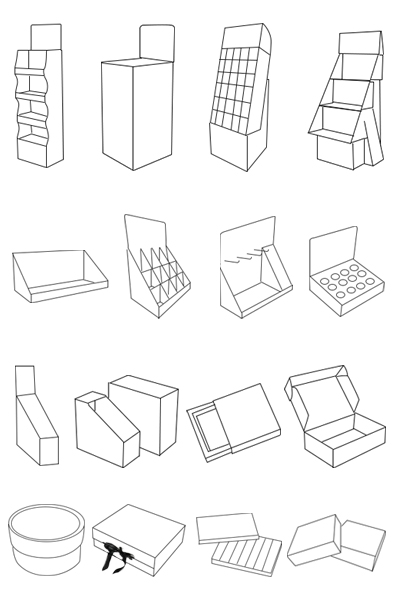
Additionally, our paper tube “push-pop sushi container” makes packaging more engaging and lively in the dining experience. Meanwhile, our paper display rack series consistently adheres to minimalism while solving functional challenges such as load-bearing capacity and assembly time.
In the current economic “stalemate phase” (a period of industry reshuffling and elimination of outdated capacity), we have not contracted. Instead, we have chosen to “strengthen internal capabilities aggressively.”
This long-term asset investment provides far stronger risk resistance than renting factories or making short-term investments. Moreover, the company’s business planning is highly forward-looking—we typically complete performance targets and new product directions for the next two years by the end of the current year.
Holidaypac’s operational philosophy as a physical packaging factory is built on a deep understanding of manufacturing “DNA.” Through pragmatic cost control, firm commitment to R&D, simplified internal management, and counter-cyclical heavy asset investment, we have established a resilient and self-sustaining operational ecosystem capable of withstanding market fluctuations.
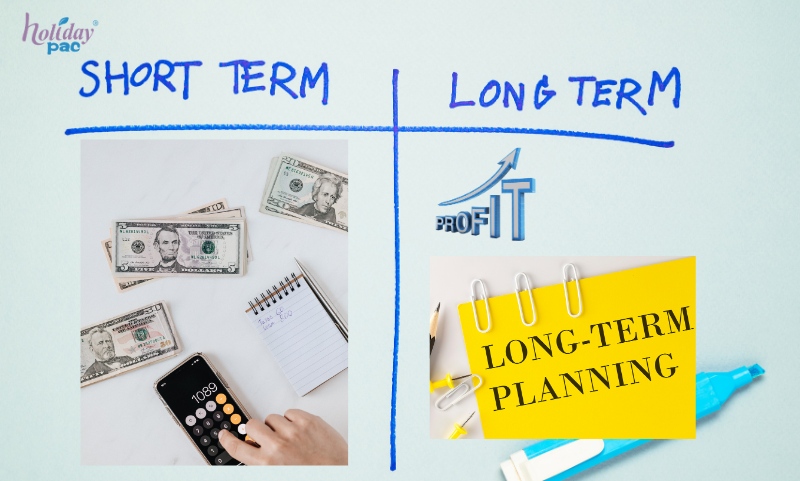
As a physical packaging factory, Holidaypac regards “long-termism” as the core cornerstone of both our business model and my personal philosophy. We firmly reject short-sighted behavior aimed at “quick profits,” and instead view enterprise development as a prolonged battle across economic cycles and the passage of time. This is reflected in the following key aspects:
I often reinforce a principle within our team: “Minimizing immediate benefits leads to maximizing long-term value.” When working with clients, I do not focus on the profit of a single transaction, but rather on whether we can establish a continuous and long-term partnership.
I believe the essence of business is not simply to make money from clients, but to provide valuable solutions that help clients solve problems—so that both parties can continuously and sustainably profit from the market together.
I am someone who “casts a long line to catch big fish,” and I am not concerned with catching small fish. From Warren Buffett and Charlie Munger, I learned the true meaning of “long-term value” and “the power of compounding over time.”
Enterprise development cannot be rushed. By consistently applying effort in the right direction, results may not be visible in one year—but over five or ten years, the impact becomes profound.
To practice long-termism, as the founder of Holidaypac, I deliberately shield myself from external temptations. Perhaps I simply do not possess the mindset for “quick money,” but I firmly avoid speculative investments such as stock trading or entering unfamiliar industries.
I believe that if a person cannot succeed in their core products and customers, they have even less chance in unfamiliar fields. As the company grows, I intentionally demand greater focus from myself—even planning to “do one thing per month” or “one thing per six months,” concentrating all energy without distraction.
Whether selecting clients or building a team, I believe decisions must be based on long-term considerations. We would rather eliminate unsuitable clients and instead form “strategic relationships” with those who meet our standards and are willing to grow together—becoming “family” and “brothers” in the global market.
At the same time, building a team is even more challenging. Therefore, I place great importance on whether employees share the same long-term “DNA” as the company, ensuring that the organization maintains continuous vitality and long-term survival capability.

As a physical packaging factory, Holidaypac has developed a highly unique and pragmatic logic toward “product R&D and innovation.” R&D is not only about creating new products—it is also a core weapon for risk distribution, customer binding, and avoiding destructive price competition.
The company does not blindly pursue high-end or superficial innovation. Instead, we focus R&D on micro-innovations that are truly applied in real scenarios.
When a client proposes a completely new demand that does not yet exist in the market, we neither blindly accept orders and invest heavily in equipment (often costing hundreds of thousands), nor reject them outright. Instead, we rely on a comprehensive internal evaluation system.
In terms of profit distribution and risk control:
When industry competitors drive prices lower and engage in chaotic competition, our strategy is to “retreat to advance” and “exit quickly.” We do not compete head-on with hundreds of factories on outdated products. Instead, we shift toward developing new products (such as air fryer paper and eco-friendly paper bags), using continuous innovation to open new profit spaces.
Holidaypac’s R&D innovation is not isolated or disconnected from the market. It is deeply integrated with customer needs, supported by strict ROI evaluation, and powered by a strong channel ecosystem to distribute costs—ultimately enabling differentiated products to outperform competitors on a higher strategic level.
Holidaypac’s concept of “enterprise gene building” is based on the belief that every company has its own internal “system,” which forms its unique “DNA.” Constructing and strengthening this DNA is the foundation for long-term sustainability. Holidaypac’s enterprise gene development can be summarized as follows:
The Risk of Crossing Incompatible Genes:
Enterprise DNA, like human nature, determines what a company can and cannot do. For example, if a company with a “gaming” or “internet” DNA attempts to operate a physical factory, it will inevitably fail. This is because such organizations lack the fundamental “manufacturing mindset” throughout their structure and cannot adapt to industrial operations.
The core of balancing factory manufacturing and trade thinking lies in building a “hybrid” mindset and serving as a bridge for both利益 and emotions between the sales and production sides. This is reflected in the following aspects:
The founder clearly defines the role as “doing trade within the factory” and “doing factory thinking within trade.”
This dual identity and DNA prevent blind spots caused by a single perspective, enabling a deep understanding and integration of how both sides operate.
The sales and production sides each face distinct pressures.
On one hand, the sales (trade) side deals with the difficulty of securing orders and managing client relationships.
On the other hand, the production side (such as warehouse and workshop workers) faces the physical demands of daily operations. Even when overtime is compensated, forced overtime still creates both physical and mental strain on workers.
Conflicts between sales and production are inevitable:
“Sales has its challenges, and production has its challenges… you need to solve yours, and I need to solve mine.”
From the founder’s position, the most critical responsibility is a single action—balance.
By carefully managing the relationship between order intake and production capacity, internal conflicts can be resolved. The goal is to ensure that all sides can “operate comfortably and sustainably,” allowing every part of the organization to function in a healthy and cooperative manner.
Through this balanced approach, Holidaypac successfully breaks the traditional conflict where “sales does not understand production, and production complains about sales,” achieving a seamless integration of trade thinking and manufacturing execution.
Holidaypac stabilizes long-term strategic partnerships with distributors (traders) by building an absolute trust mechanism and implementing real profit-sharing practices. The approach is reflected in the following key aspects:
The founder has clearly established a principle of never creating channel conflict with distributors.
If a distributor’s end customer (for example, a client with a specific branded logo) bypasses the distributor and directly approaches the factory for quotation or production, the factory will firmly refuse the order.
We firmly believe: “We are not here to make money from you; we are here to help you solve your customers’ problems,” and we never seize our partners’ resources.
When an end customer attempts to bypass a distributor and contact the factory directly, we not only reject the order but also immediately inform the original distributor, ensuring full transparency.
More importantly, we provide a six-month buffer period, allowing the distributor sufficient time to communicate with and manage the end customer relationship independently.
When facing tempting profit opportunities, we consciously avoid overreaching and even proactively refer business back to distributors.
For example, if a client requires additional supporting products (such as display racks) or extensive extra services beyond packaging, we will directly guide the client to the distributor instead of taking the order ourselves.
Our principle is clear: “We earn what we should earn; what we shouldn’t earn, we refuse first.”
To ensure distributors have sufficient profit margins and motivation, we offer tiered pricing based on factors such as length of cooperation, order volume, and communication efficiency (marginal service cost).
For the same product, long-term and highly aligned distributors receive more favorable pricing (for example, discounted rates). This tangible benefit increases their confidence and motivation, encouraging them to place more orders and ultimately creating a win-win partnership.


Links