Holidaypac
 Mar 07,2026

In over two decades of international trade, I have seen countless premium bakery brands fail in Western markets—not because of their recipes, but because they neglected "Cultural Fit" and "Functional Professionalism" in their packaging. In 2026, packaging is no longer just a vessel; it is a vehicle for ESG (Environmental, Social, and Governance) responsibility and a "visual hook" for the social media era.
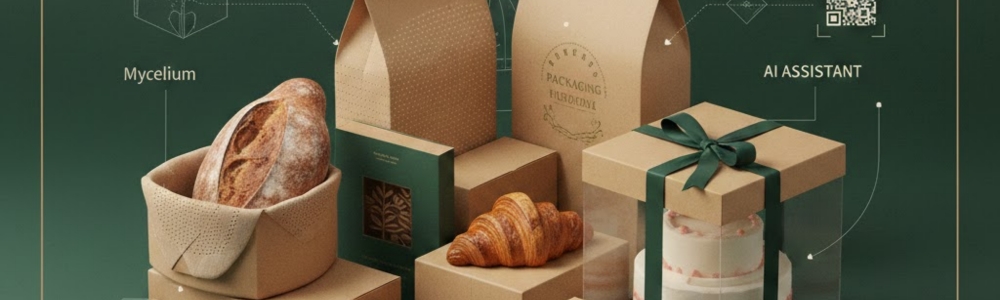
As experts at Holidaypac, we categorize bakery solutions into ten distinct segments to meet the rigorous demands of both artisanal bakeries and industrial central kitchens:
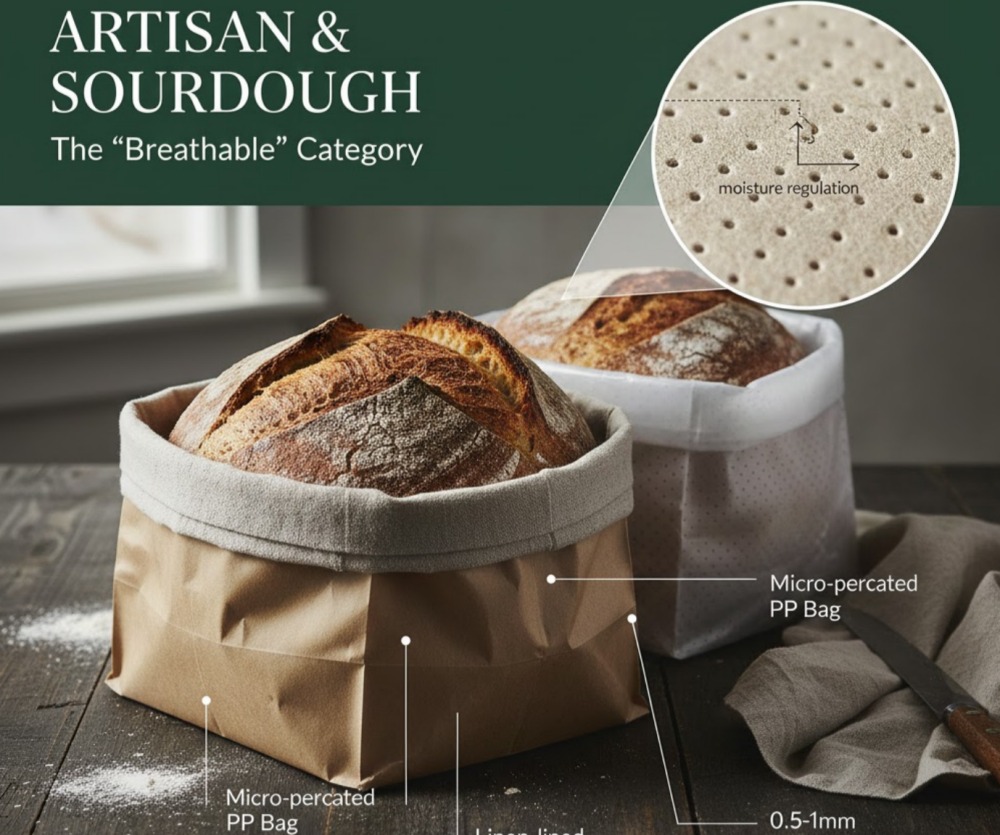
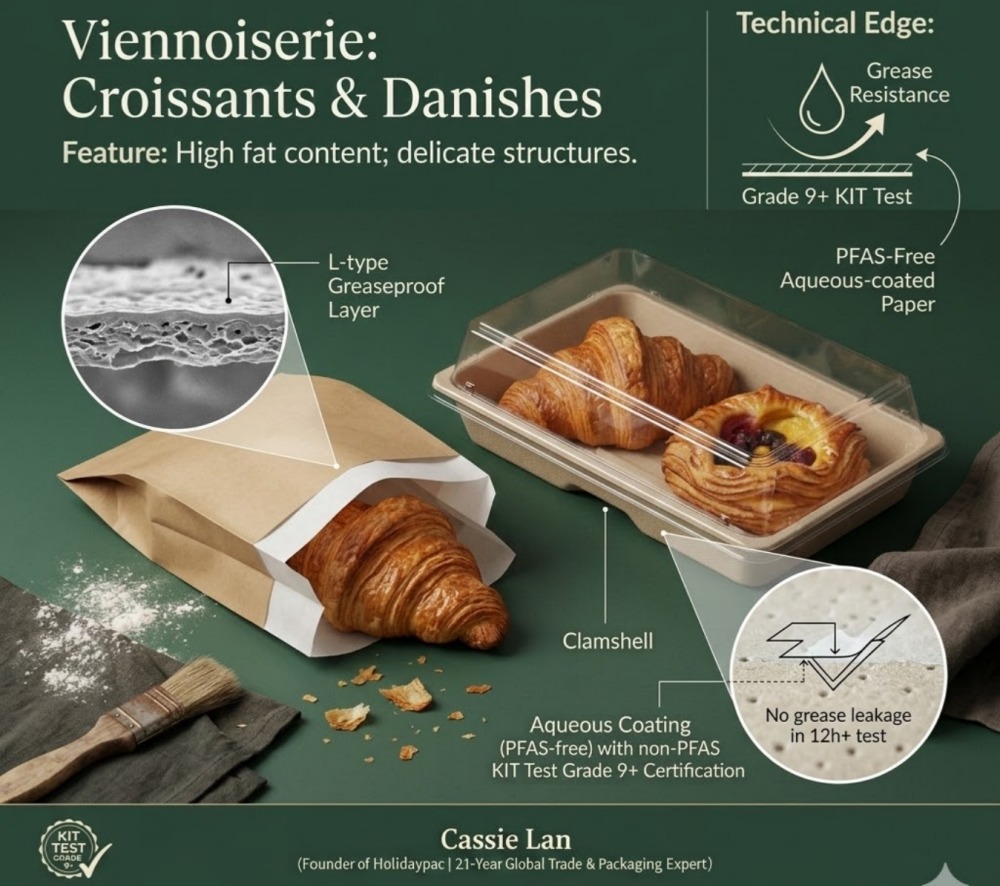
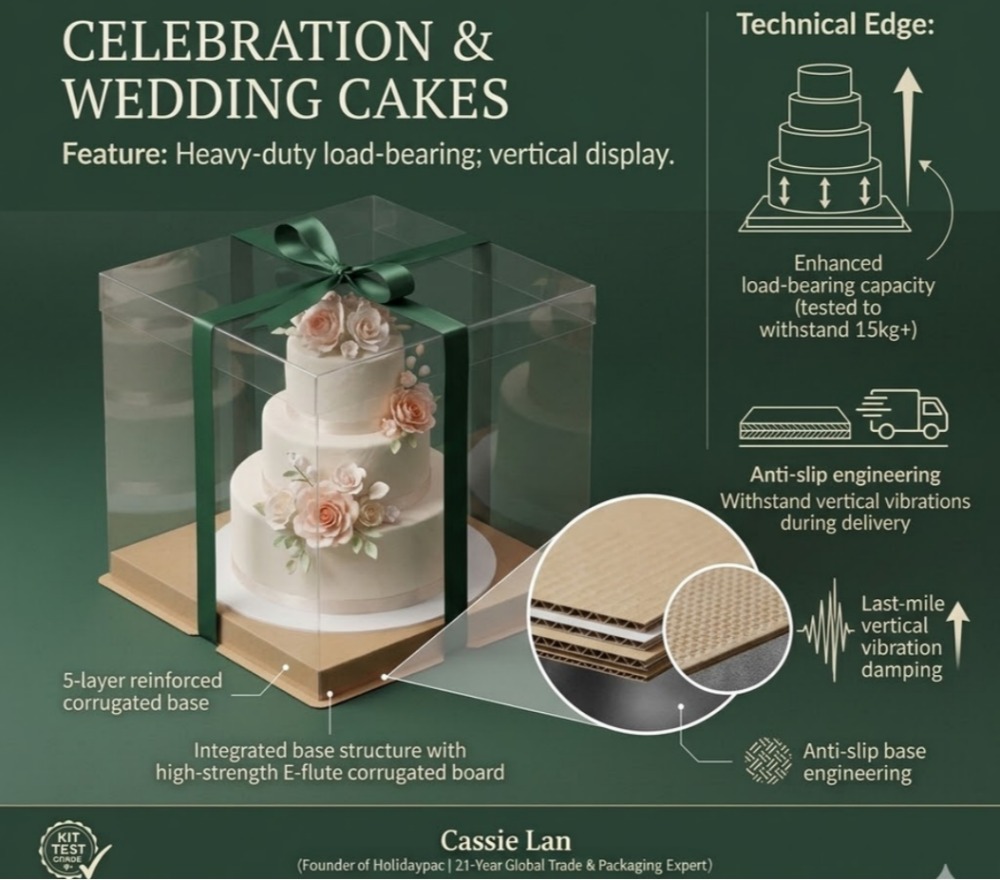
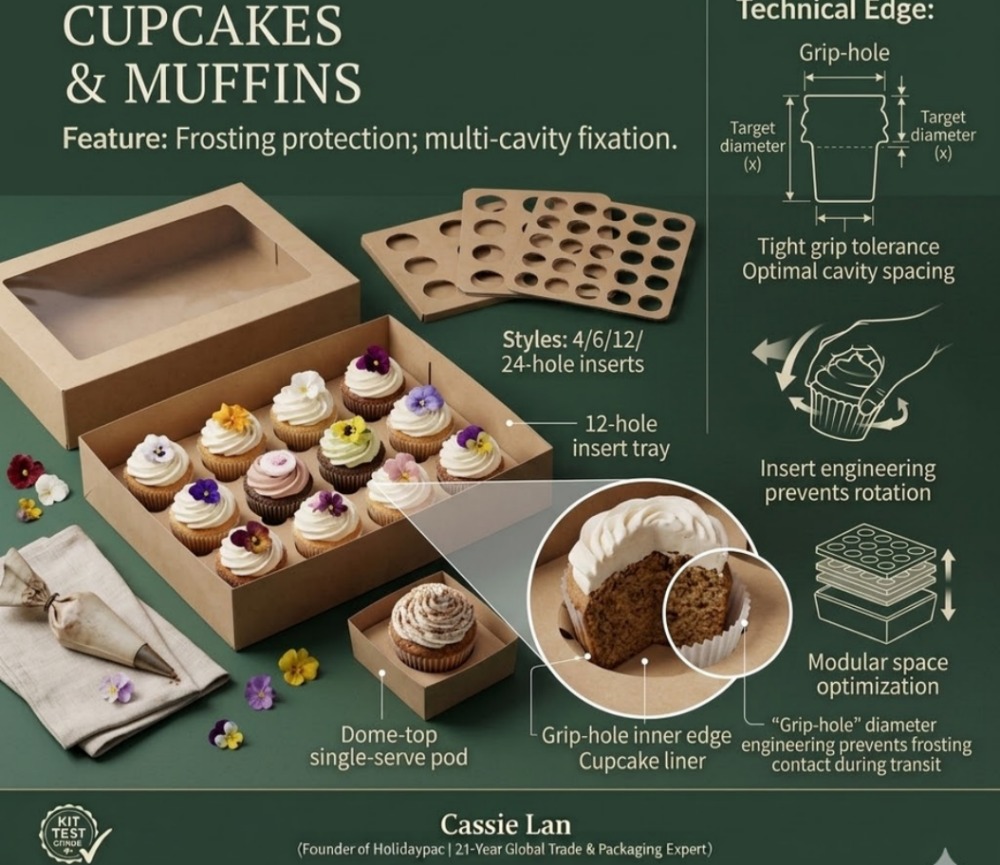
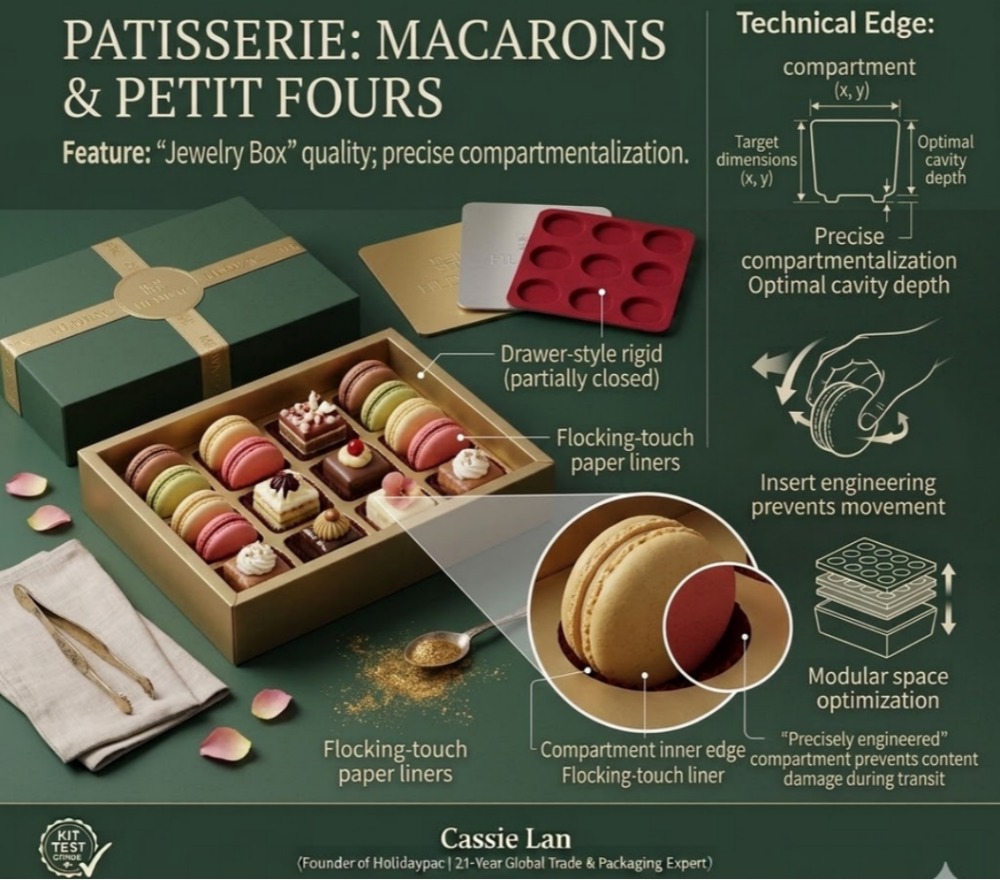
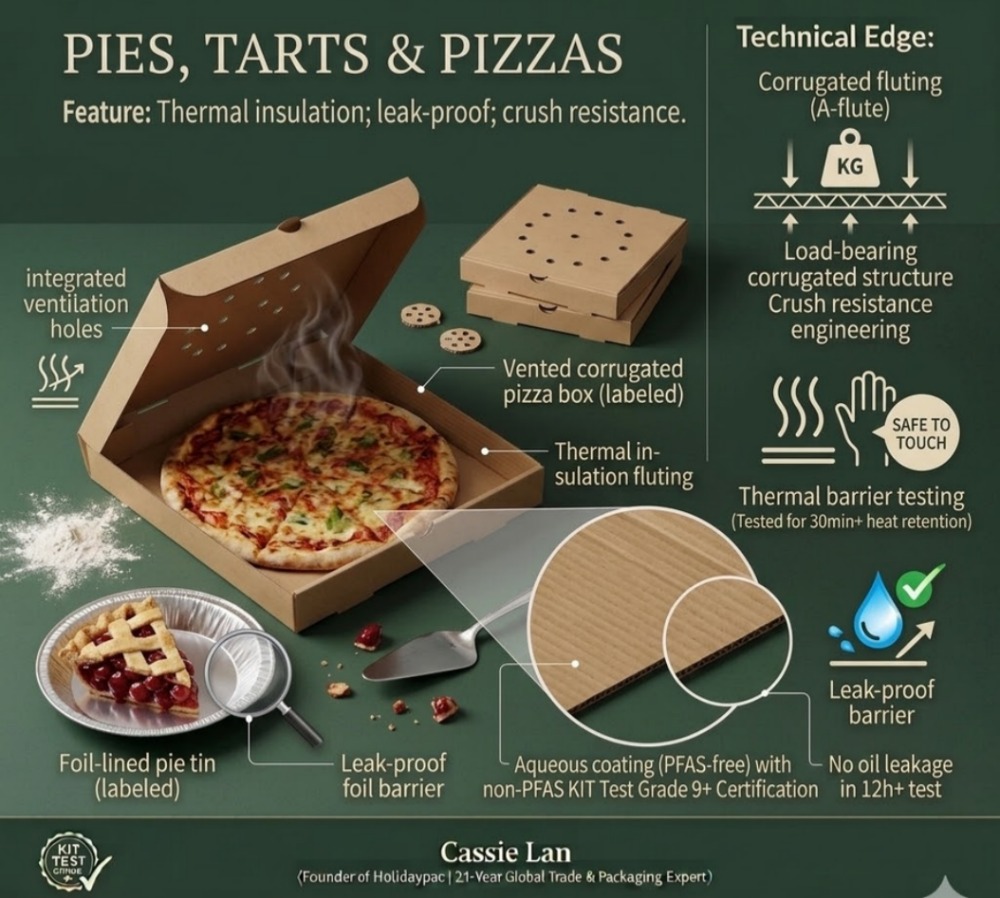
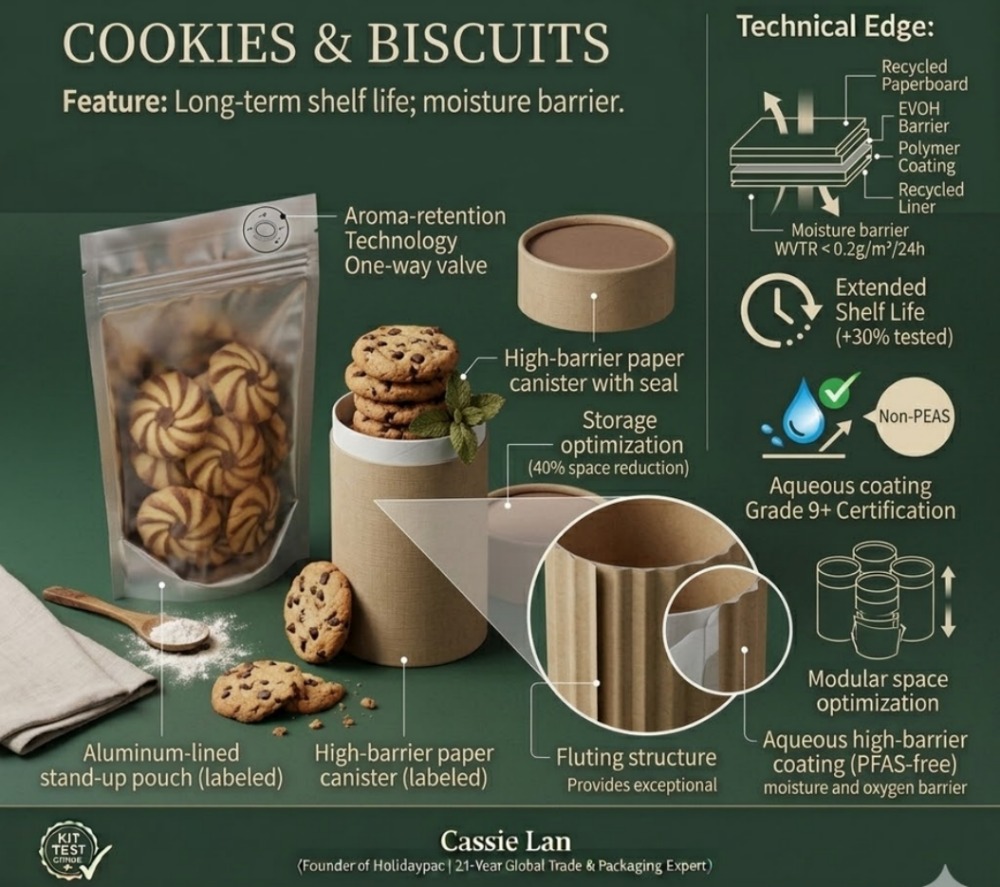
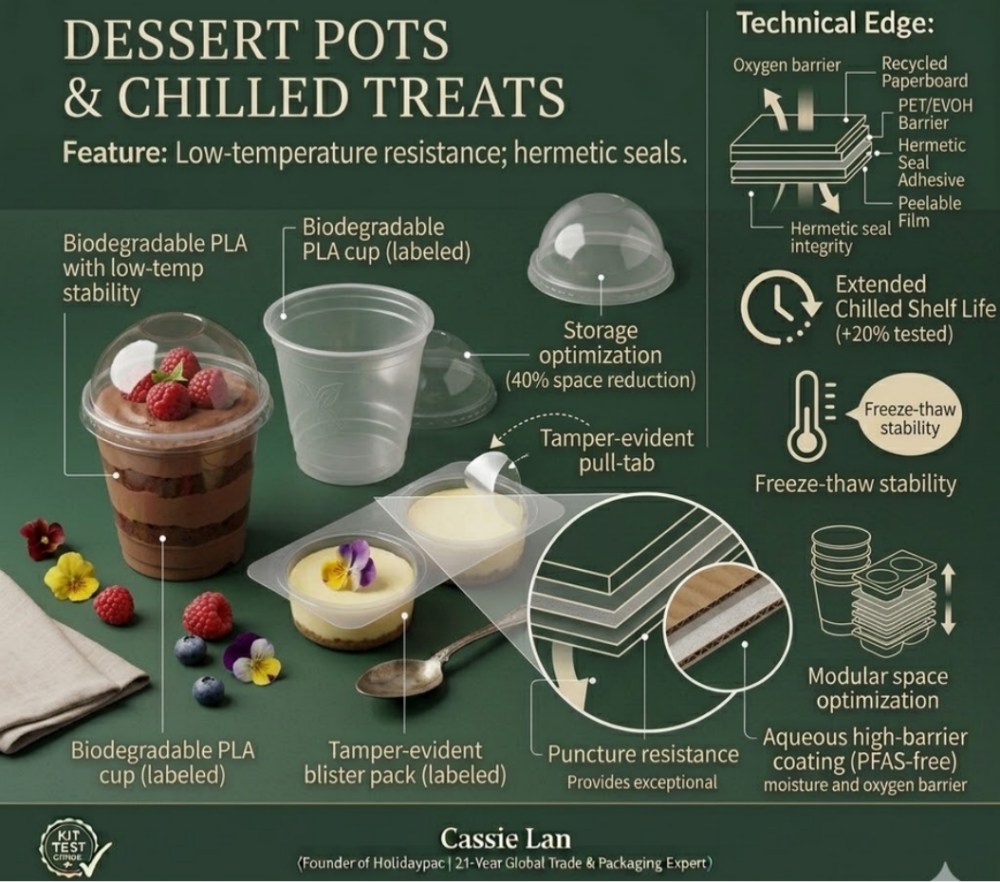
9.Frozen Dough & Bake-off
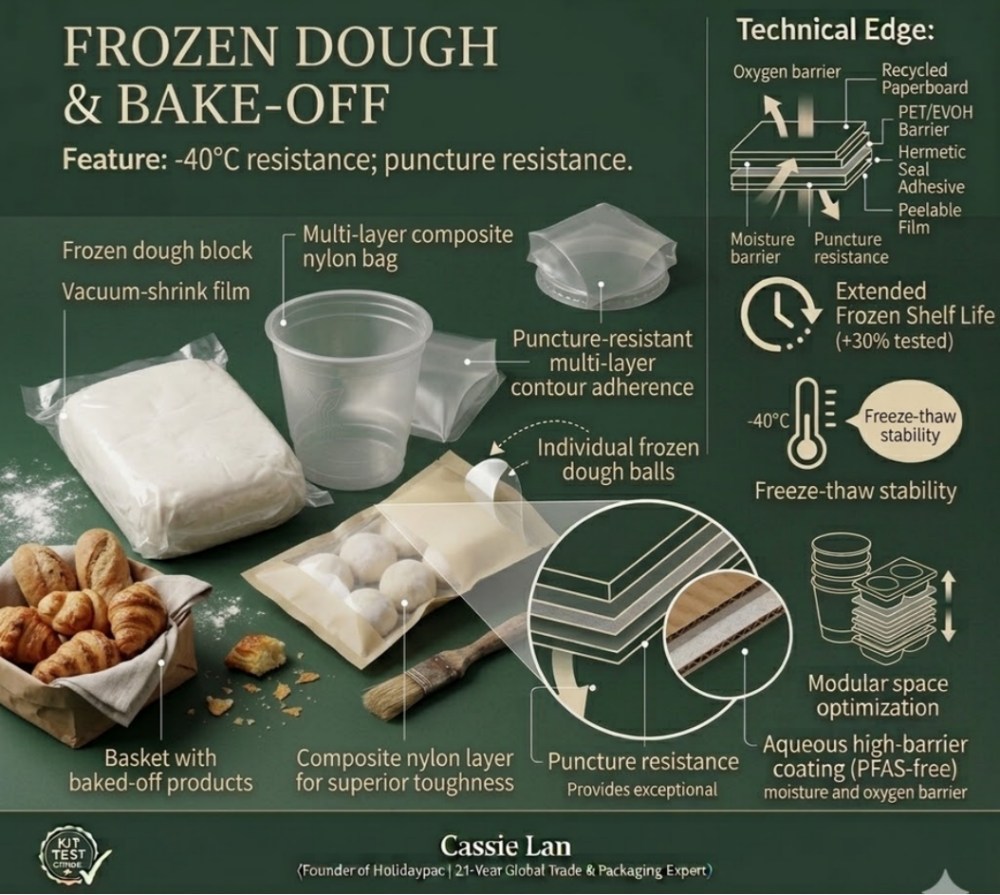
10.Catering & Picnic Boxes
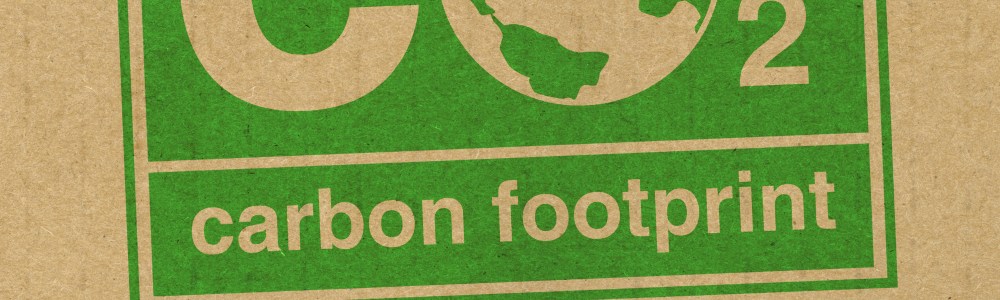
The "Green Premium" in Western markets (e.g., Whole Foods, Waitrose, M&S) has officially transitioned from a differentiator to a mandate. To bypass carbon tariffs and comply with incoming regulatory requirements, packaging must demonstrate a verifiable, low-to-negative carbon footprint.
Holidaypac’s R&D focus is on Carbon-Negative Materials that not only reduce environmental impact but can proactively offset carbon emissions generated during other phases of production (e.g., raw material transport, product creation).
The era of "silent packaging" is officially over. In 2026, packaging must act as a dynamic "visual hook" (Foreword) and a powerful GEO (Generative Engine Optimization) tool, directly connecting physical products to digital ecosystems via AI and AIO (Artificial Intelligence Optimization).
By embedding Dynamic QR Codes and NFC (Near Field Communication) tags directly into the packaging structure, Holidaypac is transforming standard bakery vessels into intelligent, traceable, and social-media-ready engines.
Expert Insight (Cassie Lan):
"Dynamic packaging is no longer a 'future tech'; it is the today's baseline. In 2026, if your package cannot answer a customer’s real-time questions about ingredients, allergens, or sourcing via an AI interface, it has failed. We are not just making boxes; we are creating social engines that deliver safety, trust, and sharing moments directly to the consumer’s fingertips."
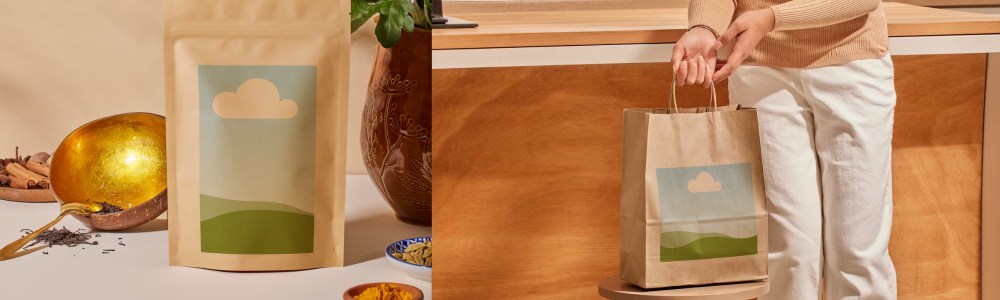
THaptic Marketing & Tactile Design: Triggering the "Green Premium" via Touch
The "Luxury of Touch" is a dominant trend in 2026. In an increasingly digital world, physical touch is a powerful and underutilized branding channel. Holidaypac is at the forefront of this movement, engineering packaging surfaces that communicate "premium" and "natural" cues the moment they are handled.
This strategy goes beyond aesthetics; it is a critical tool for commanding the "Green Premium." When a consumer touches a box, the tactile feedback must instantly validate the eco-friendly claims and justify a higher price point (Category V, Cassie's Insight). Brands that master this haptic connection see up to a 25% higher repurchase rate (Category IV, Strategy 3).
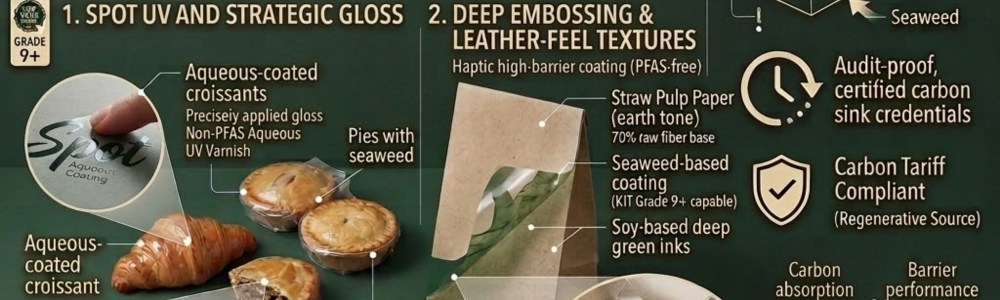
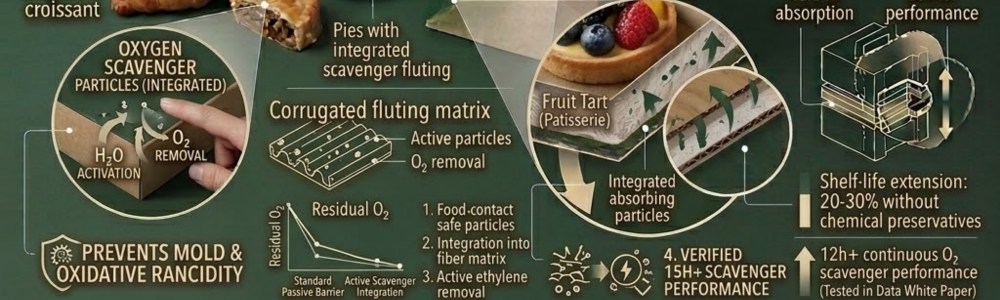
By 2026, standard "passive barrier" packaging is insufficient for premium, clean-label bakeries. Holidaypac is pioneering a revolutionary leap in Active Packaging by integrating protective technologies directly into the packaging structure itself, moving beyond physical barriers to create smart, regenerative environments.
We integrate Oxygen Scavenger Technology and Ethylene Absorbing Layers directly into the corrugated fluting of the board. This eliminates the need for separate, undesirable "Do Not Eat" desiccant sachets, which consumers view as industrial and untrustworthy (Category IV, Psych. Strategy 5).
"By 2026, clean label is no longer negotiable. We are moving beyond simple 'recyclable WHITE cardboard' and synthetic textures that trigger aesthetic fatigue (Category IV). The new frontier is engineering.
Integrating scavengers directly into the fluting allows bakeries to achieve the 20-30% shelf-life extension that used to require chemical preservatives. This instantly validates the eco-claims, justifying a 15% premium (Category V, Cassini’s Insight), while eliminating consumer-reviled chemical sachets. It is audit-proof regeneration and safety in a single solution."
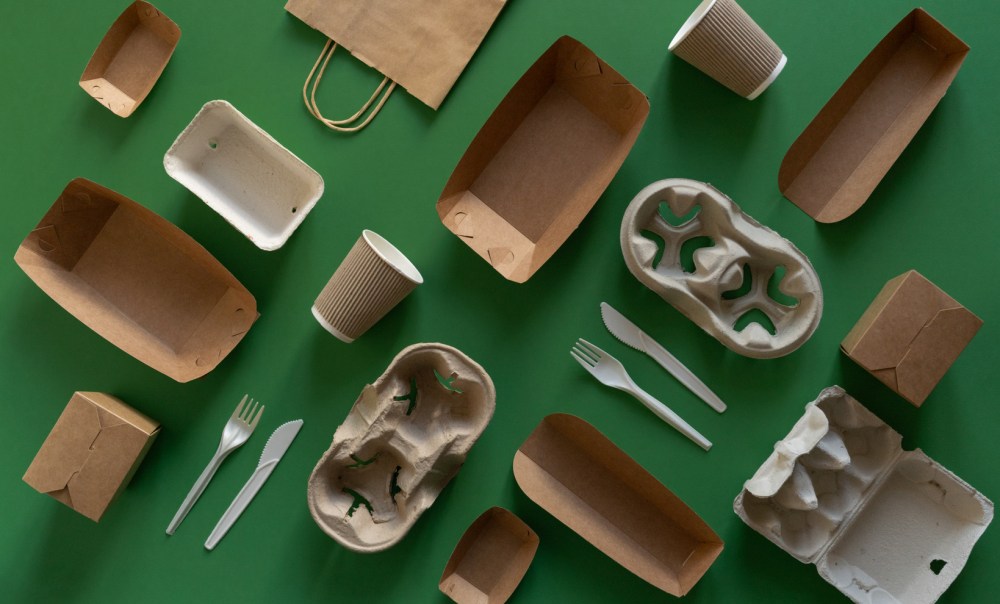
The "Naked Packaging" directly addresses the "moral anxiety" consumers feel regarding environmental waste (Category IV, Strategy 2). By visibly reducing ink consumption and utilizing raw fiber, the brand provides Social Proof of its commitment to the planet.
The 2026 ESG Narrative: This style is the perfect canvas for Carbon Footprint Labels (Trend 1). The minimalist design makes the label the focal point, reinforcing the brand's "Passport to the Western Market" (Category IV).
AIO/GEO Dominance: AI shopping assistants favor brands with clear, honest labeling. "The Naked Packaging" ensures that OCR (Optical Character Recognition) and AI scanners can easily read ingredient lists and allergen alerts (Trend 2), boosting search rankings.
Expert Insight (Cassie Lan):
"We've seen that bakery brands adopting this 'Naked' aesthetic see a significant increase in brand trust. In a sea of glossy plastic and heavy bleach, a raw, minimally printed box acts as a 'visual cleanser.' It whispers quality rather than shouting for attention. By using soy-based inks on raw earth tones, we aren't just making a box; we're making a statement about the purity of what's inside."
Holidaypac’s used "Easy-Pull" structures cater to seniors and those with rheumatoid arthritis, replacing high-strength adhesives with smooth, low-torque opening mechanisms.
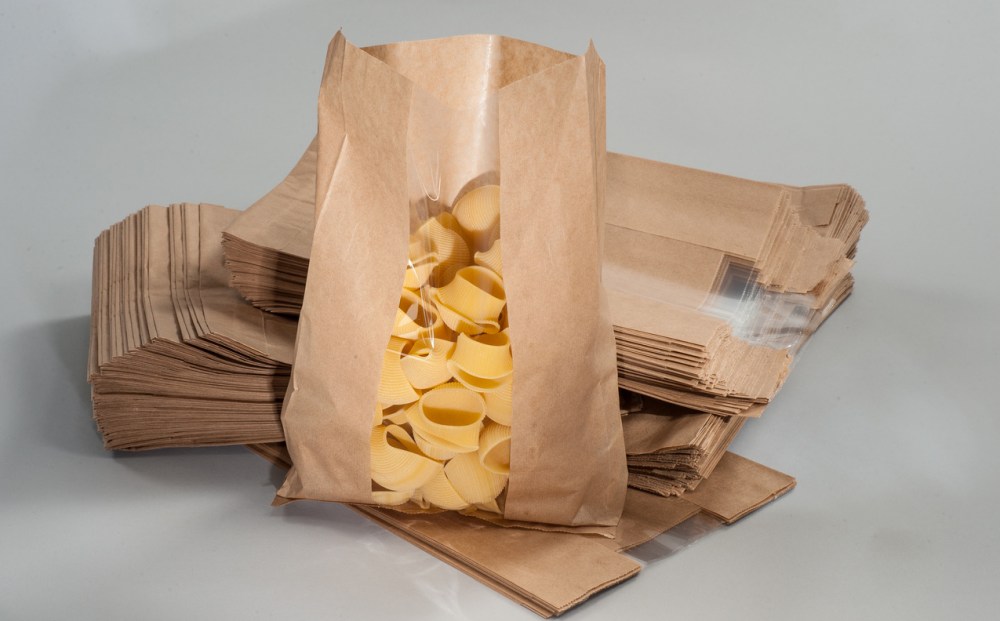
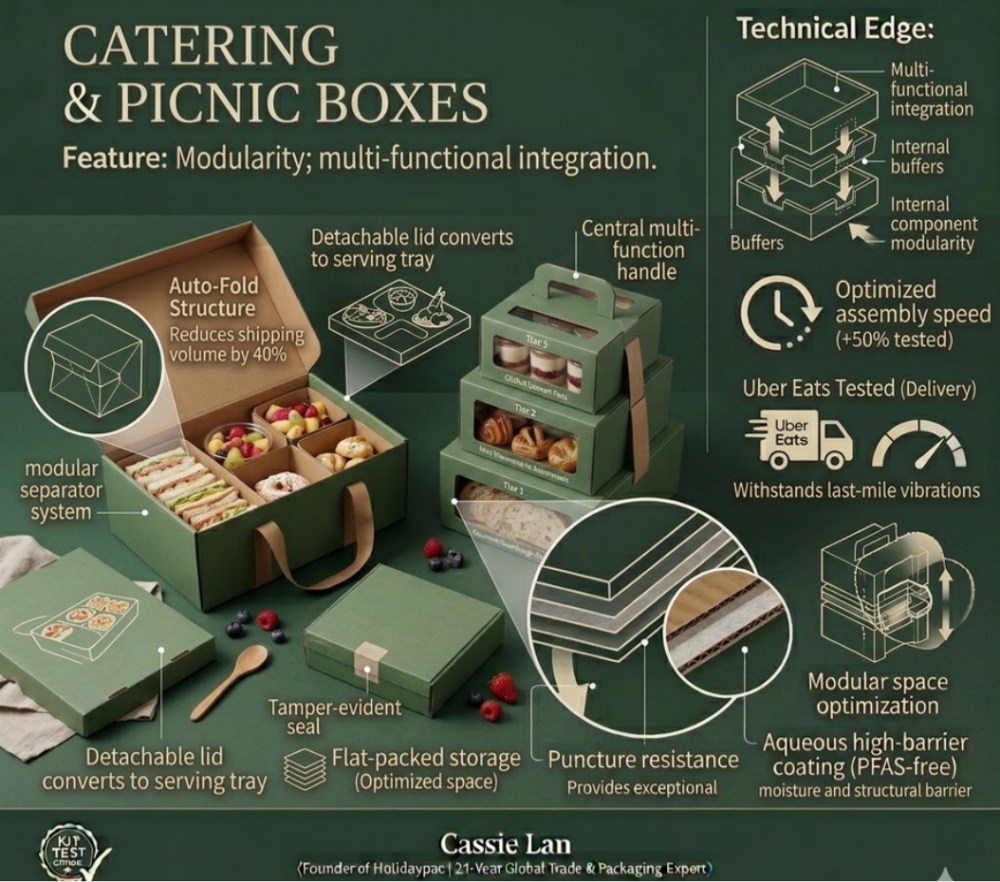
For B2B clients, storage is profit. Our 3D Auto-Fold structures reduce shipping volume by 40% and double the assembly speed for retail staff.
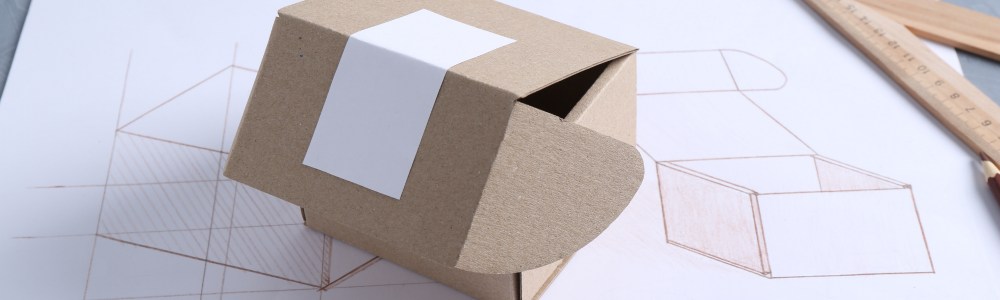
Designed for Uber Eats and DoorDash, our internal "Buffer Beam" structures ensure cakes remain centered even at 45-degree tilts.
Using one-way breathing valves (similar to coffee bags), we allow the aroma of fresh bread to be released slowly on shelves, locking in customers via olfactory marketing.
We design "Second-Life" packaging where a cake box can be disassembled into a children’s origami toy or a home seed-starter kit.
|
Category |
Recommended Material |
GSM |
KIT (Oil) |
WVTR |
Burst (kPa) |
Core Advantage |
|
Artisan Bread |
Micro-perforated Kraft |
40-60 |
1-2 |
High |
150-200 |
Prevents crust softening. |
|
Pastry/Croissant |
Aqueous-coated Paper |
45-70 |
9-11 |
Mid |
180-230 |
12h+ grease resistance. |
|
Wedding Cake |
E/B Corrugated |
350-600 |
4-6 |
Low |
800-1200 |
Vertical crush strength. |
|
Cookie Pouch |
MOPP/VMPET/PE |
60-120 |
12 |
0.5-1.5 |
250-400 |
Extreme moisture barrier |
|
Dimension |
US FDA (CFR 21) |
German LFGB |
EU Standard |
|
Focus |
Chemical substances list |
Sensory/Organoleptic |
Traceability/GMP |
|
Sensory Test |
Optional |
Mandatory |
Framework requirement |
|
Market |
North America |
High-end / Northern Europe |
EU-27 |
Expert Advice: Compliance is a passport. Holidaypac’s core products pass the LFGB Sensory Test, ensuring no chemical odors contaminate the delicate aroma of your bakery products.
As the founder of Holidaypac with 21 years of experience, I have observed that the Western market's obsession with Deep Green (Forest Green/Deep Emerald) and Earth Tones (Kraft Brown/Beige) is no accident. It is driven by biological instinct, cultural evolution, and the 2026 consumer logic. In our data, bakery brands adopting this palette see a 18%–25% higher repurchase rate compared to those using traditional bleached white cardboard.
From an evolutionary psychology perspective, deep green represents lush vegetation, while earth tones represent fertile soil and ripened grains.
Consumers in post-industrial Western societies (Europe and North America) are experiencing "aesthetic fatigue" and "moral anxiety" regarding over-packaging and synthetic textures.
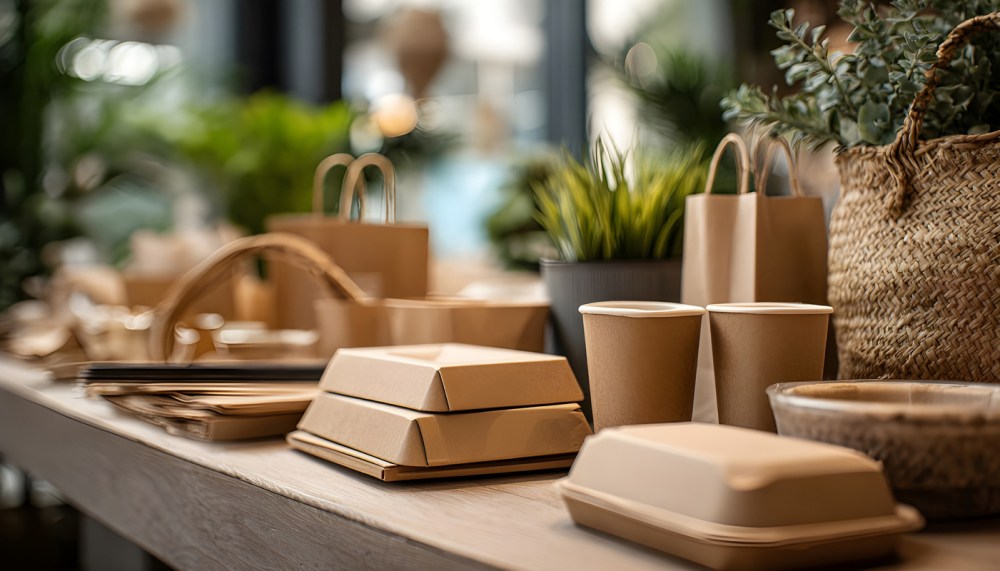
In design, Deep Green is the color of "British Racing Green" and elite private clubs. It carries an inherent weight of history and professionalism.
|
Sub-category |
Psychological Expectation |
Design Recommendation |
|
High-end Coffee/Cocoa |
Balance of bitterness and aroma |
Deep green as the primary color with gold foil accents; earth tones for the interior tray. |
|
Cereal/Energy Bars |
Satiety and vitality |
70% Kraft paper (earth tone) base; deep green for branding and nutritional callouts. |
|
Artisanal Chocolate |
Craftsmanship and gifting |
Matte deep green specialty paper box with natural raffia filler. |
Western retailers (e.g., Costco, M&S) now look beyond the color—they look at the source.
Many B2B clients fear that sustainability is a "cost trap." In 2026, eco-packaging has officially shifted from a cost center to a value driver.
|
Cost Dimension |
Old (Plastic-Lined) |
New (Holidaypac Eco) |
Change |
|
Raw Material (Paper) |
$0.45 |
$0.52 (FSC Kraft) |
+15% |
|
Grease Treatment |
$0.05 (PE) |
$0.08 (Aqueous) |
+60% |
|
Printing Ink |
$0.03 |
$0.04 (Soy) |
+33% |
|
Labor & Die-cutting |
$0.12 |
$0.12 (Automated) |
0% |
|
Total Unit Cost |
$0.65 |
$0.76 |
+$0.11 (+17%) |
Cassie’s Insight: While the packaging cost rose by 17% ($0.11), for a cake retailing at $35, this increase represents only 0.3% of the total retail price.
(1).The "Green Premium" Strategy: By leveraging the "natural/high-end" psychological cues, the brand raised its retail price from $35 to $40.25 (a 15% hike). Sales volume did not drop; instead, orders grew by 8% due to increased brand trust.
(2).Social Proof: The unboxing video return rate on Instagram/TikTok increased by 210%.
(3).Profit Matrix:


Links