Holidaypac
 Nov 21,2025

If you sell beer in retail, you already know the real battle doesn’t happen in your marketing meeting.
It happens in front of the shelf.
That’s where a custom beer cardboard display can quietly make or break your promotion.
Studies show that around 70% of fast-moving consumer goods (FMCG) purchase decisions happen inside the store, heavily influenced by category layout and displays. And when researchers measured point-of-purchase (POP) displays, they found that roughly one in six purchases happened only because a display was present.
So if your beer is sitting in a plain stack of brown cartons, it’s probably losing to the brand next door.
In this guide, I’ll walk you through how to plan, design, and manufacture a custom beer cardboard display that actually works in real stores — not just in a design mockup.
We’ll keep it practical, define key terms, and stay away from fluffy sales talk.
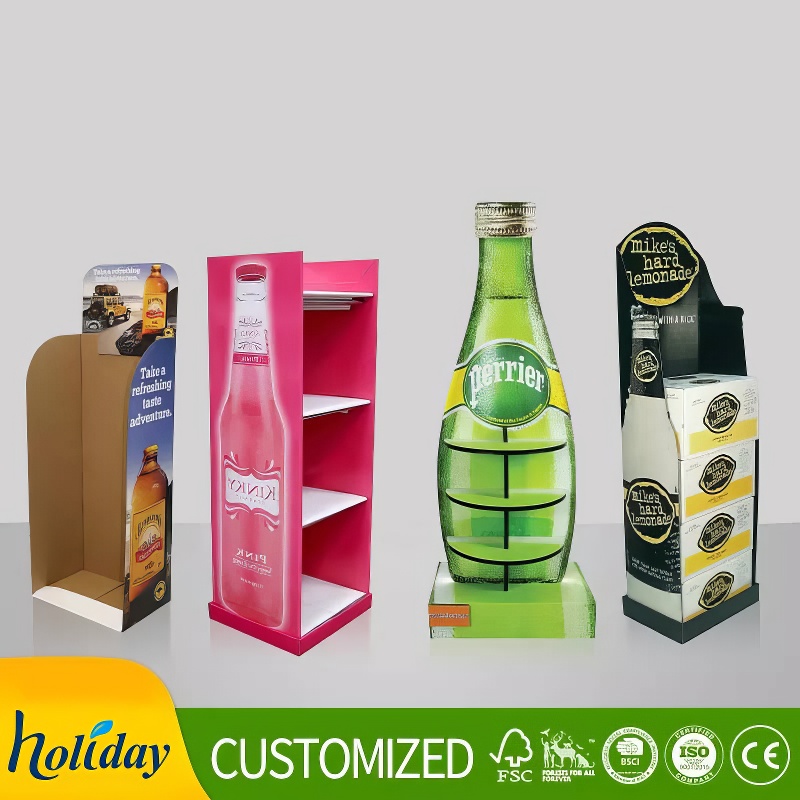
Let’s start simple.
A beer cardboard display (also called a beer POS display or beer POP display) is a temporary or semi-permanent structure made from corrugated cardboard that holds your beer in store and shows your branding.
Unlike steel racks or wooden fixtures, cardboard displays are:
They’re also used heavily in beer and drinks packaging because they protect bottles and cans while giving plenty of room for storytelling on the surface.
A custom beer cardboard display means it’s designed from scratch for your brand, your pack size, your store rules, and your promotion — not just a generic stand with a logo stuck on.
If you’re going to invest in displays, you want to know why cardboard is worth it.
Beer is heavy. A 24-pack of cans or a case of glass bottles adds up fast.
Corrugated cardboard is popular for drinks because its structure is engineered to carry weight without collapsing, while still being light to move and ship.
You can:
Cardboard has one big advantage over plastic displays: recycling.
That means when you choose cardboard for your beer display, you’re usually:
You don’t need to shout “green” everywhere. Just a small recycling icon and a line like “Made from recyclable cardboard” can send the right signal.
Cardboard displays are:
Studies on in-store marketing show cardboard displays are a powerful tool because they combine strong visual impact with low cost and high customizability.
That’s exactly what beer brands need for limited-time offers.
Before you talk about colors or 3D shapes, step back.
Ask yourself:“If this custom beer cardboard display works perfectly, what changes in-store?”
Some common goals:
Now add constraints:
When I work through this with brands, I like to write a one-sentence brief:“I want a floor display on a 600 × 400 mm footprint that holds twelve 24-packs of lager, runs for 8 weeks, and can be assembled in under 10 minutes by store staff.”
If you can’t explain your goal in one sentence, your brief might be too vague — and the final display will feel vague too.
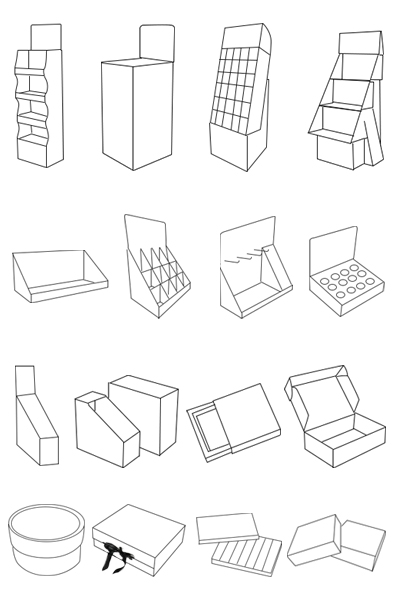
Now let’s talk shapes. There’s no single “best” structure. It depends on your pack, store, and budget.
Here are the main types used for beer.
A case stacker is simply a stack of your regular beer cases with a branded header or “riser” behind or on top.
Pros
Cons
Good for price-led promotions and warehouse-style or discount retailers.
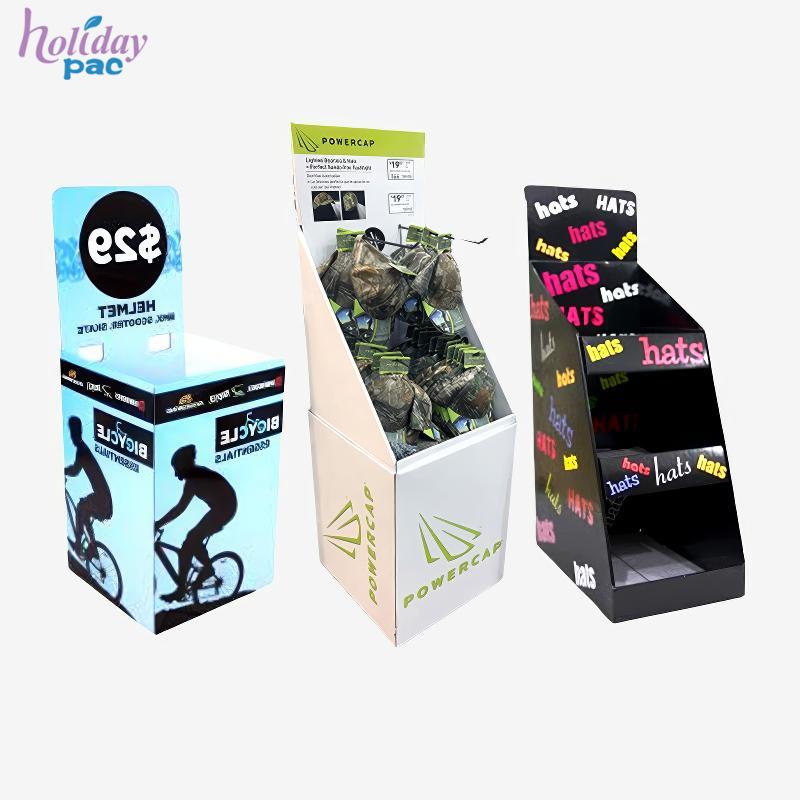
A Free Standing Display Unit (FSDU) is a cardboard tower that stands on the floor with built-in shelves or compartments.
This is where a custom beer cardboard display really shines.
You can design:
FSDUs are perfect for supermarkets, convenience stores, and liquor shops where you want to pull shoppers away from the crowded main shelf.
Not every beer promotion needs a big tower.
Countertop displays work well for:
They sit near payment areas, where shoppers are already in “yes/no” mode. For alcohol, you’ll need to follow local rules about how close displays can be to the checkout, so always check retailer and legal guidelines.
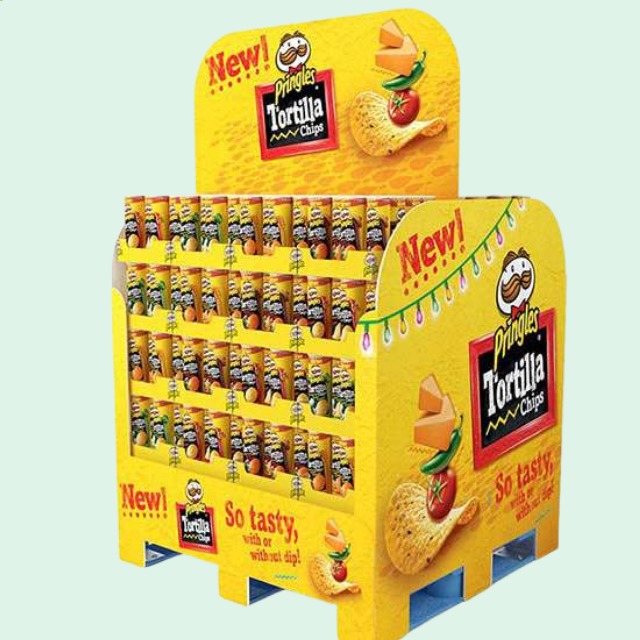
If you sell into club stores or warehouse retailers, you might use pallet displays.
Here you build:
Pallet displays keep logistics efficient and give you a huge advertising space. They’re especially powerful for family packs, party
packs, or pre-game bundles.
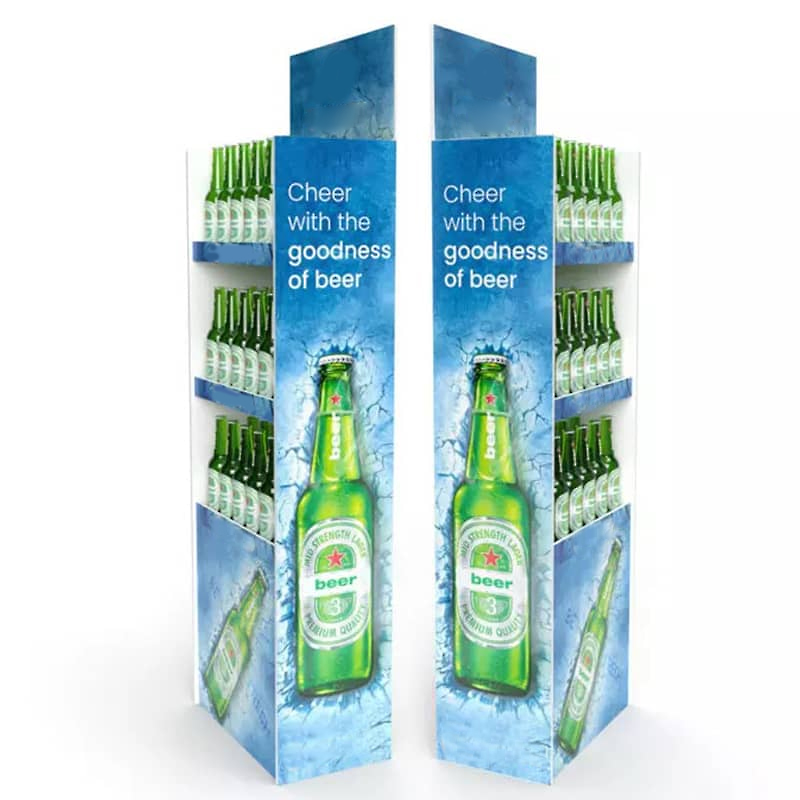
Here’s where we connect shopper psychology to structural design.
Several studies show that:
So your custom beer cardboard display should support the way real humans look, think, and decide.
If I ask you, “What’s the one thing you want a shopper to think when they see this display?” you should have a clear answer.
Examples:
Your key message should show up in:
Define your hero pack — the SKU that matters most.
Then:
If you support secondary packs (like a lighter beer or seasonal flavor), they can sit on upper or lower shelves with smaller space.
You don’t need wild graphics to stand out.
You can:
Remember, shoppers are moving fast. A display must communicate in one glance, not after a 10-second stare.
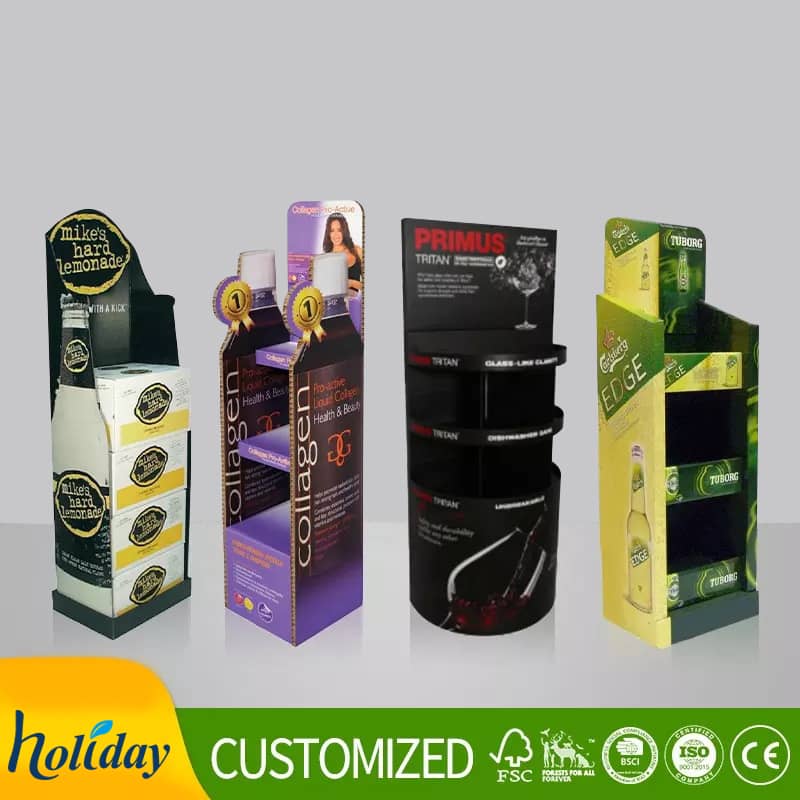
Now let’s peek behind the curtain.
You don’t need to be an engineer, but understanding the basics will help you brief your manufacturer and avoid weak structures.
Corrugated board is made from:
Different board grades and flute types give different strength, thickness, and print quality.
For beer displays, common choices include:
Your manufacturer will usually recommend a grade based on:
Most custom beer cardboard displays are designed to assemble without tools.
They use:
When you get it right, store staff can assemble in minutes. When you ignore it, they curse the brand and never use the display again.
A display full of glass bottles must be stable.
Good manufacturers will:
You don’t need advanced math to ask sensible questions like:
If your partner can’t answer, that’s a red flag.
Let’s walk through a typical project from idea to finished display.
You share:
The structural designer builds a CAD drawing (a digital blueprint) for the display.
Next comes a white sample — a prototype made from plain board.
You and the retailer can check:
This is your chance to fix issues before you spend on printing.
Meanwhile, your graphic designer (or the manufacturer’s team) prepares artwork on dielines — flat outlines of each cardboard piece.
You review:
You also approve a color proof so the final print matches your brand colors.
For most custom beer cardboard displays, manufacturers use:
Printed sheets then go through a die-cutter — a machine that cuts and creases the board into its final shapes.
Pre-glued parts (like bases or headers) are prepared, and all components are:
From there, displays ship to your warehouse or directly to retailers.
We’ve already talked about recycling, but sustainability isn’t just a buzzword. It matters practically.
For your project, you can:
This doesn’t only help the planet. It also helps you meet retailer ESG expectations and consumer demand for more responsible packaging.
A simple line like:
“Printed on recyclable corrugated cardboard from responsibly managed forests.”
can do a lot of quiet work for your brand.
Now let’s return to the fun part: what your display looks like.
When you design a custom beer cardboard display, there are a few things I always recommend.
Beer isn’t just a liquid. It’s a situation.
Think about:
Use your main panel to show the moment, not just the pack. This helps shoppers imagine where your beer fits in their life.
Even with strong lifestyle images, the pack should still be instantly visible.
Check from 3–5 meters away:
If not, simplify.
Alcohol categories have specific rules per country:
Make sure your artwork fits the strictest market you’ll ship into, or create variants if needed.
An amazing design that never gets built is just a nice PDF.
So let’s help store staff out.
Include:
You can also add a QR code linking to a short assembly video. This reduces frustration and increases the chance your display is actually used.
You have two basic options:
Pre-packed displays
Beer is loaded into the display at a co-packer or warehouse, then the whole unit ships on a pallet.
Faster for store staff
Higher up-front logistics planning
Flat-packed displays + loose product
Store staff build the display and fill it.
Lower shipping volume
More work in store
For heavy beer, many brands like pre-packed solutions, especially for pallet programs. Just check that each display can survive transport and handling.
Good news: you don’t have to guess.
Research on POP displays shows that in-store materials can increase sales dramatically — some studies report in-store sales lifts of up to 65% when POP/POS materials are used effectively.
But you should measure your own results.
At a minimum, track:
Compare sales in stores with your display vs similar stores without it.
How fast do cases move compared to normal shelf placement?
How many stores actually build the display and keep it stocked?
You can:
This turns your display program from “art project” into a repeatable growth tool.
I’ve seen a lot of displays fail for avoidable reasons.
Here are the big traps to avoid.
If a display requires 30 minutes and three people to assemble, most store teams simply won’t do it.
Fix: Aim for 10 minutes or less, with as few unique parts as possible.
Every chain has its own rules about:
If you ignore these, buyers may reject your display even if it’s beautiful.
Shoppers don’t want to read paragraphs in front of the beer aisle.
Fix: Use:
Let the product itself do most of the talking.
If restocking the display is awkward — for example, staff must unload half the display just to reach the back — they will avoid it.
Design shelves and openings so staff can refill quickly from the front or side.
Here’s a simple checklist you can use with your team or manufacturer.
If you can tick most of these boxes, your project is in good shape.
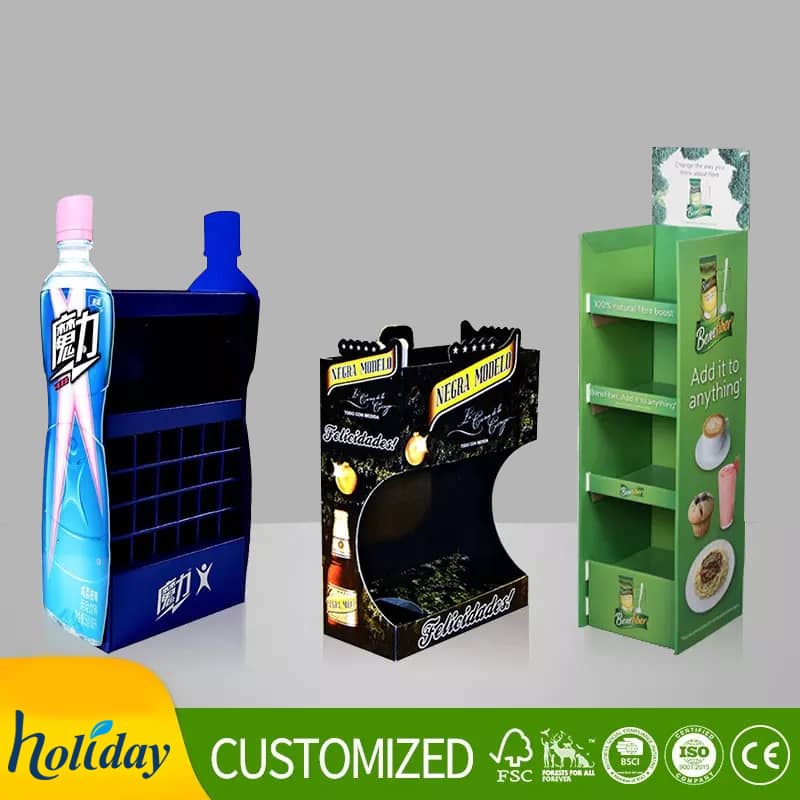
A custom beer cardboard display is more than just printed board.
It’s a small, temporary “stage” where your brand gets a few seconds to talk to a shopper who is already ready to buy something.
When you:
you turn that stage into a reliable sales tool, not just a nice picture in a marketing deck.
You don’t need to be a designer or packaging engineer to get this right.
But you do need to ask the right questions, push for clear answers, and treat each display as a test you can learn from.
If you do that, your next custom beer cardboard display won’t just look good in photos.
It will move real cases, in real stores, with real shoppers — and that’s what matters.


Links