Hands-on structural work
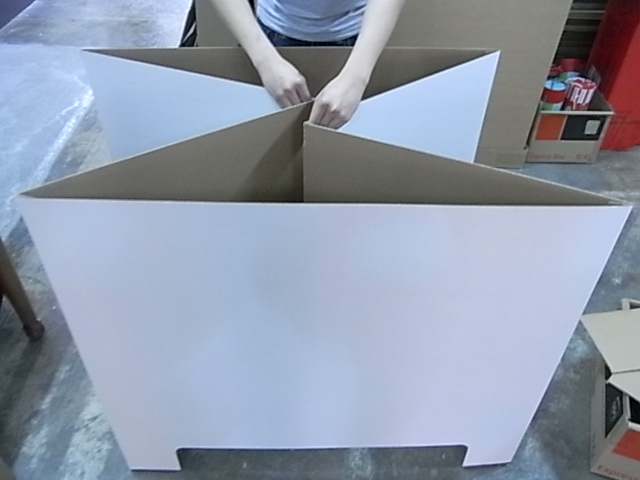
Pallet-skirt assembly
The fit between panels matters. Discuss the base, interlocking supports and assembly sequence with a physical prototype, before artwork is finalized.

Bring product, structure and store layout together. Plan the pallet footprint, selling faces and load with a team that works through the details with you.
From nature. Back to nature.Inspired by Zhuangzi’s wisdom.
AI retail concept · Holidaypac pallet display visualization
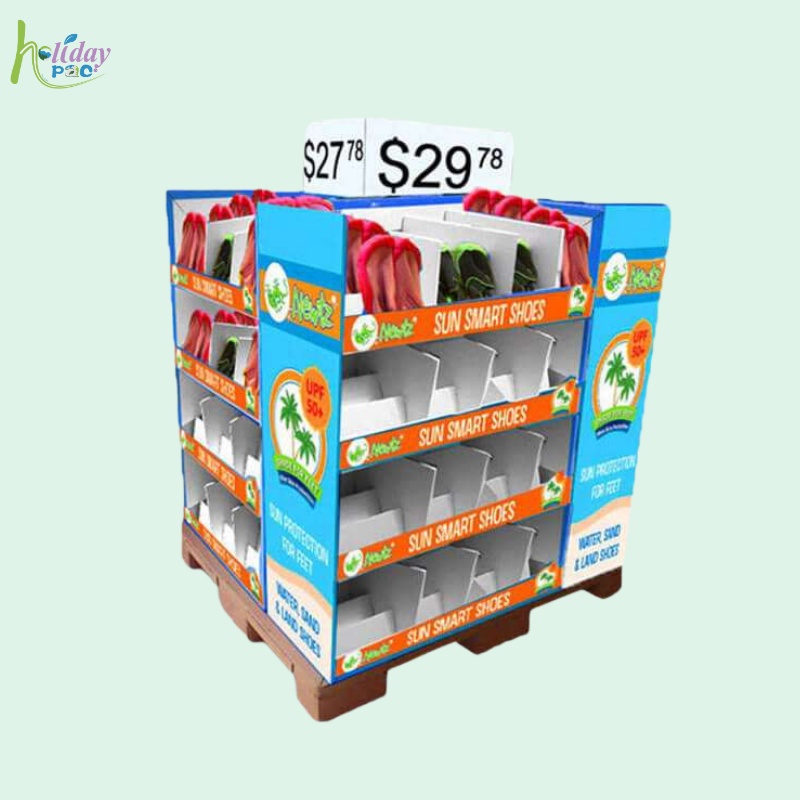

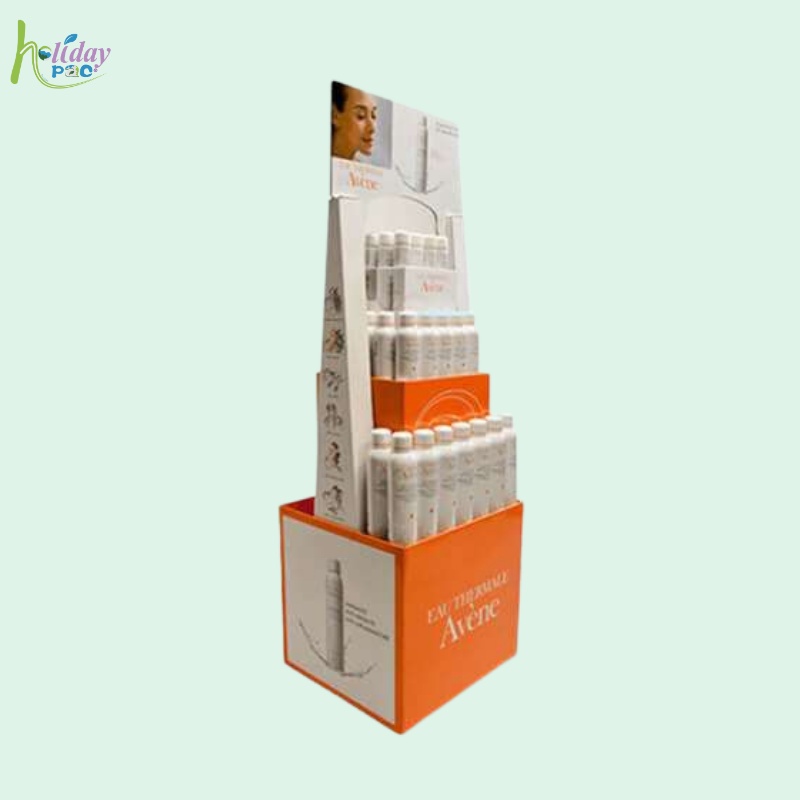

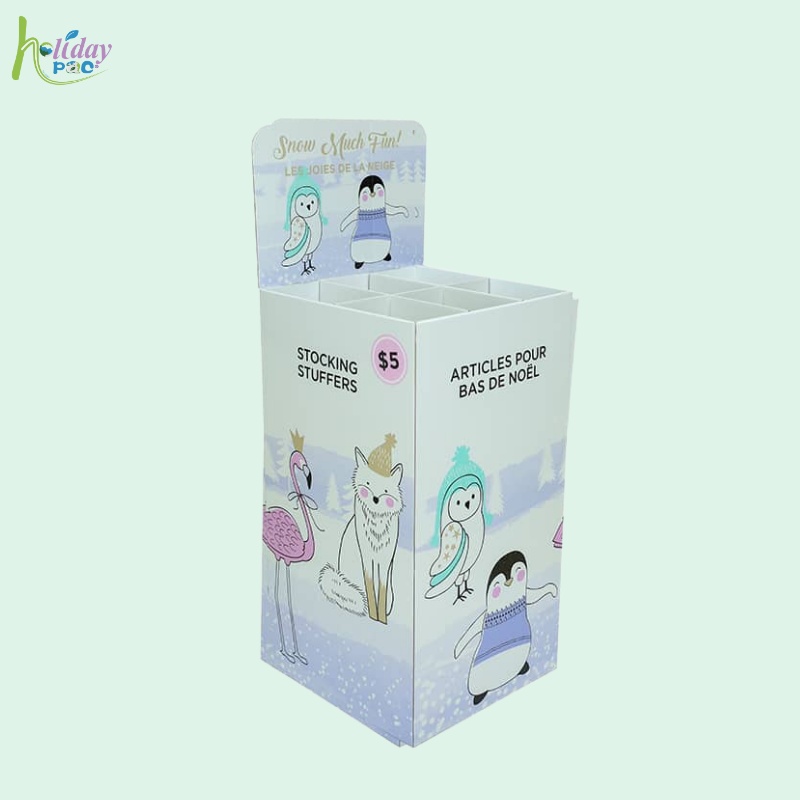


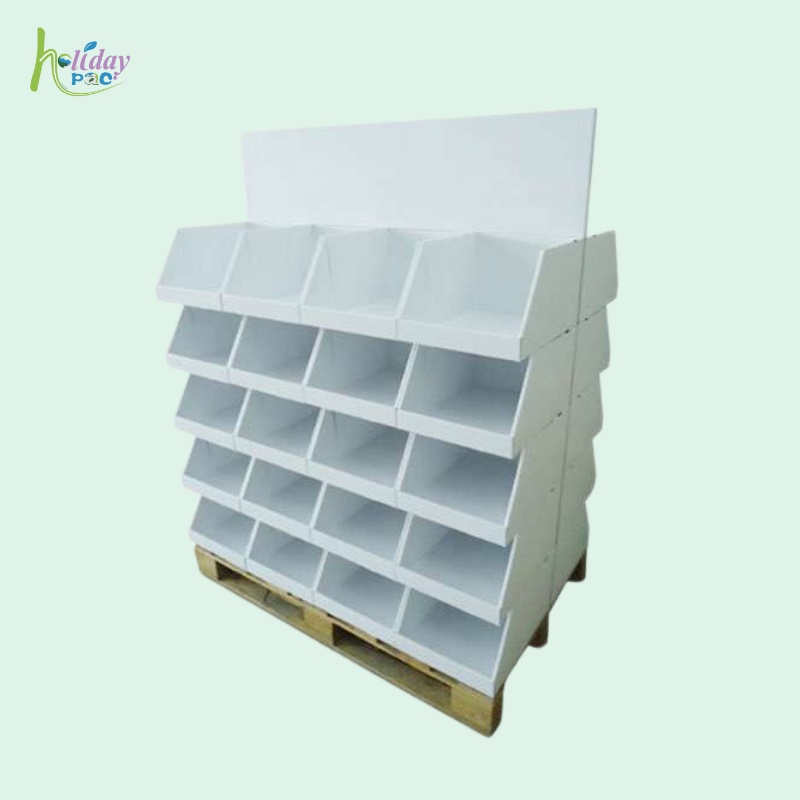
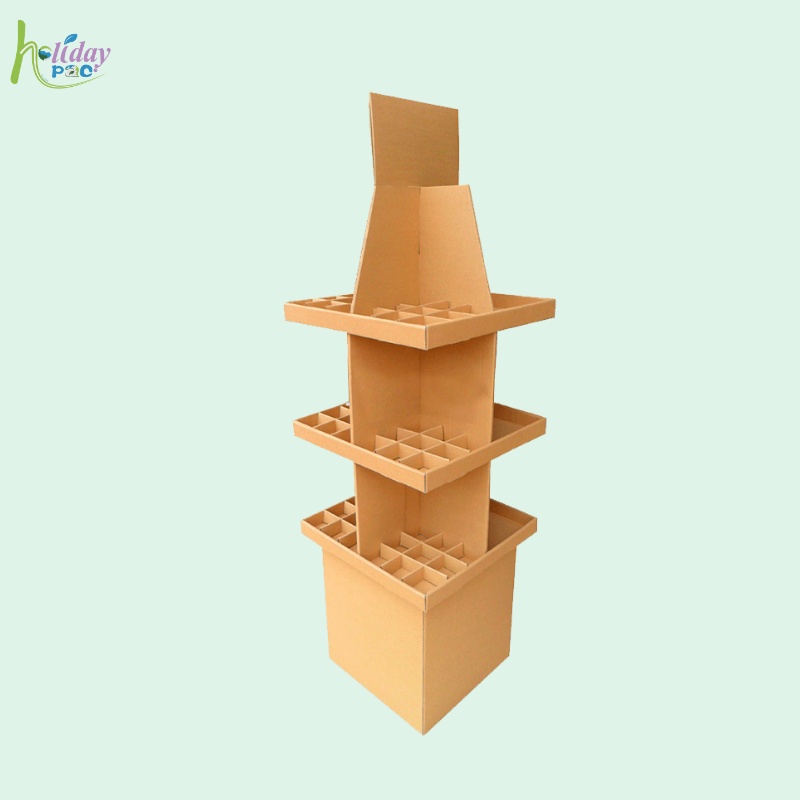
Holidaypac brings structural design, packaging production and export project communication together. Start with the merchandise and store brief, then work through the footprint, loading plan, artwork and physical sample with our team.
The fit between panels matters. Discuss the base, interlocking supports and assembly sequence with a physical prototype, before artwork is finalized.
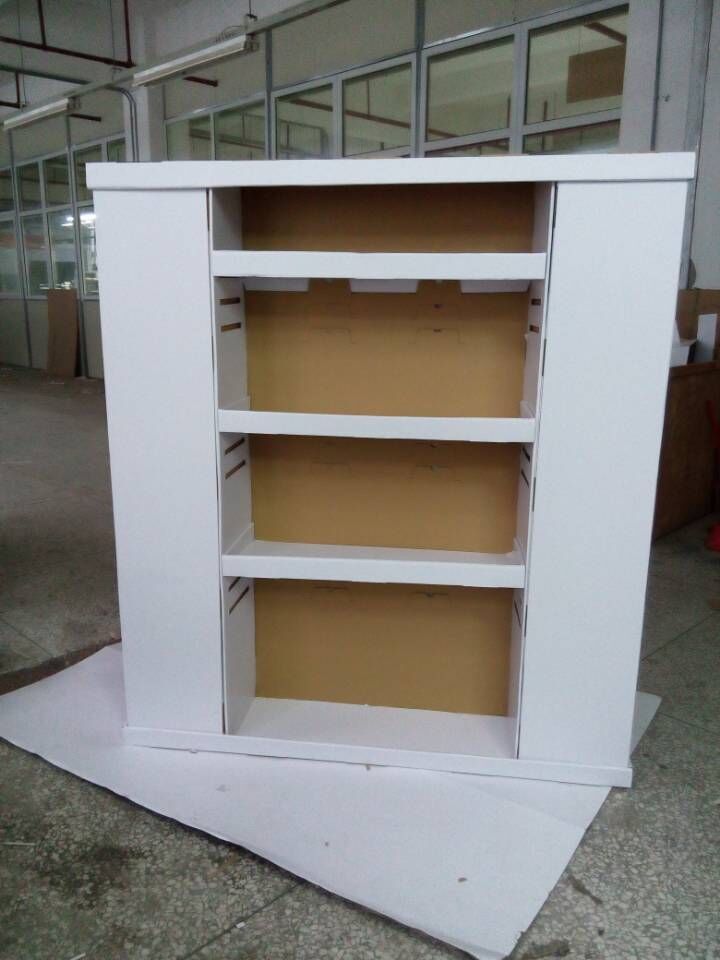
An unprinted sample makes the shelf arrangement and internal support visible. Use your actual packs to review fit, access and the proposed load before approving the structure.
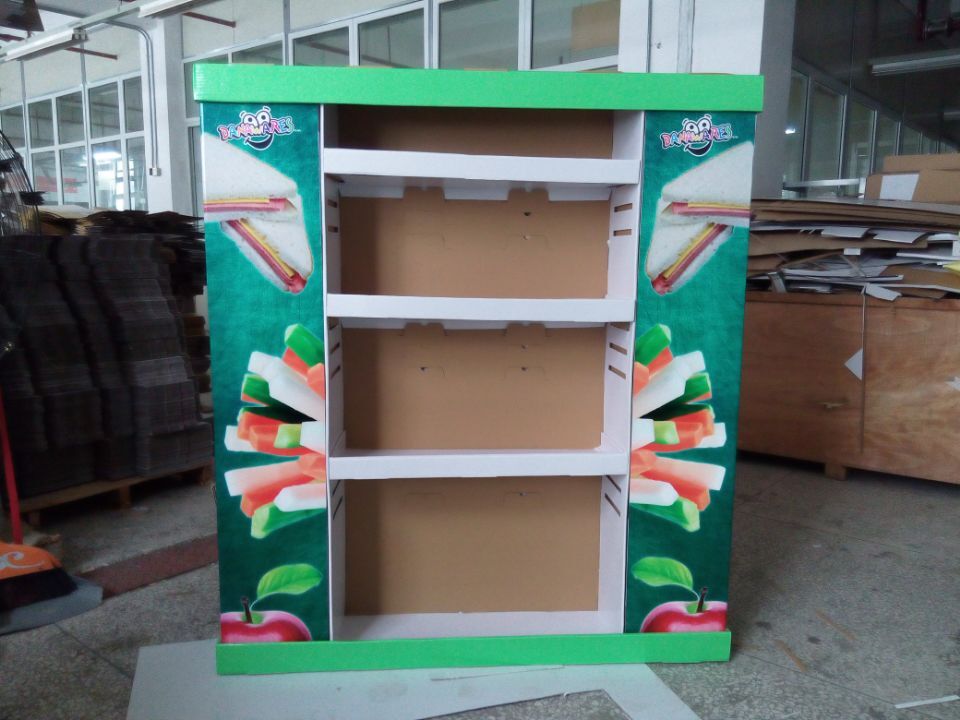
Compare the printed sample with the agreed artwork and construction. Check the panels shoppers see, shelf openings and finish as part of the project review.
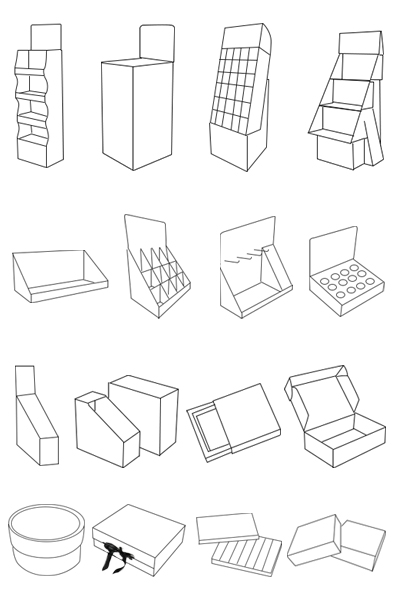
A pallet display brings products together on a pallet-sized base. Compare it with freestanding floor displays, open PDQ trays and countertop displays before choosing the format. Store space, product weight, access and the replenishment routine should guide the decision.
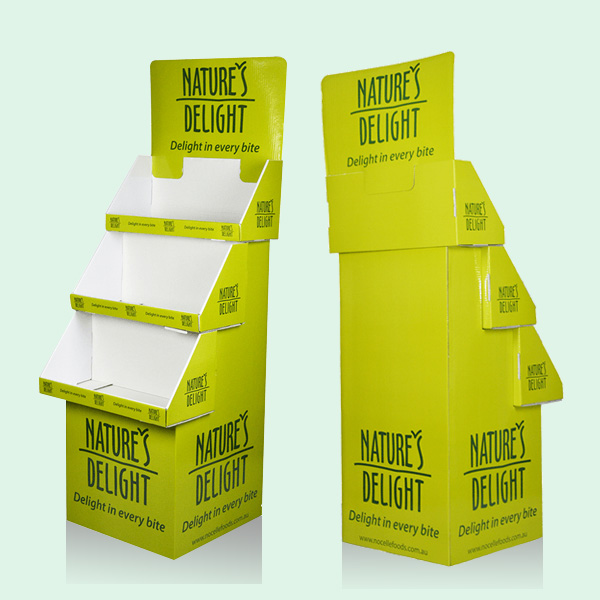
Freestanding shelving for individually merchandised products; compare aisle space and shopper access.
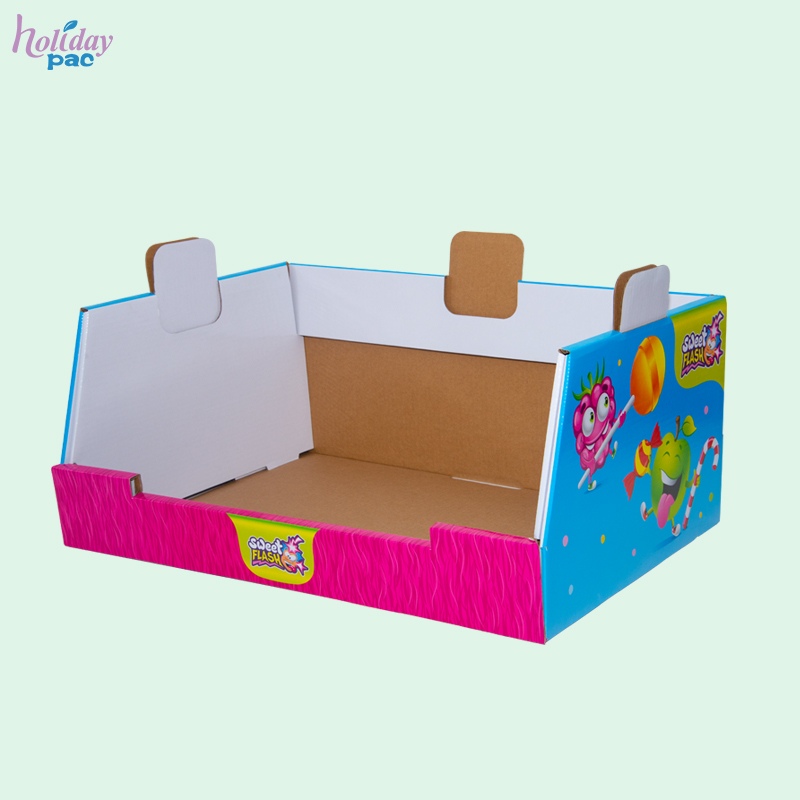
Open product trays that can also form part of a layered pallet merchandising system.
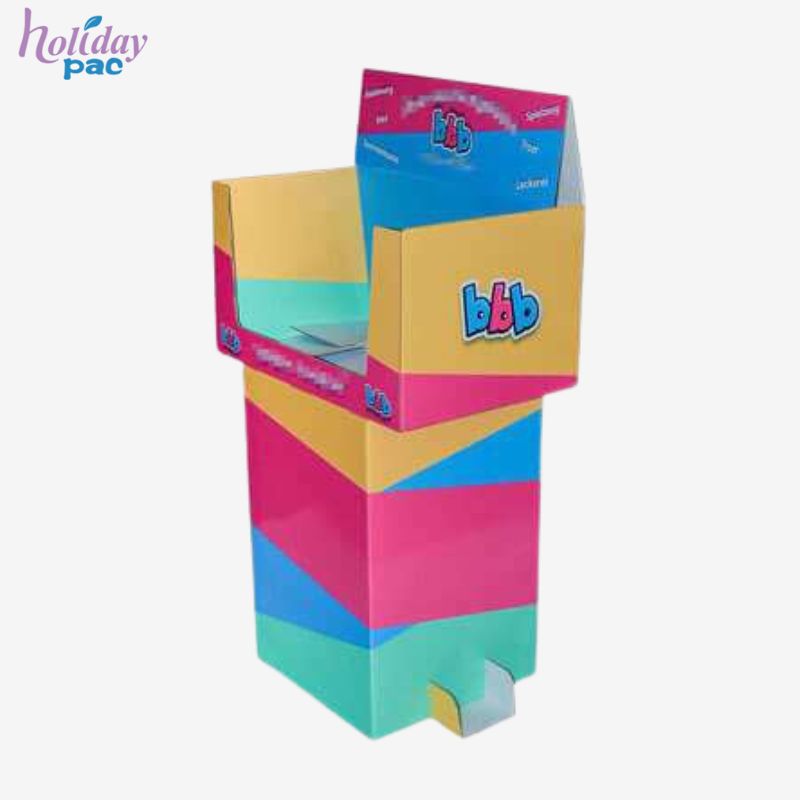
Open bins for loose packaged merchandise; compare browsing access and replenishment.
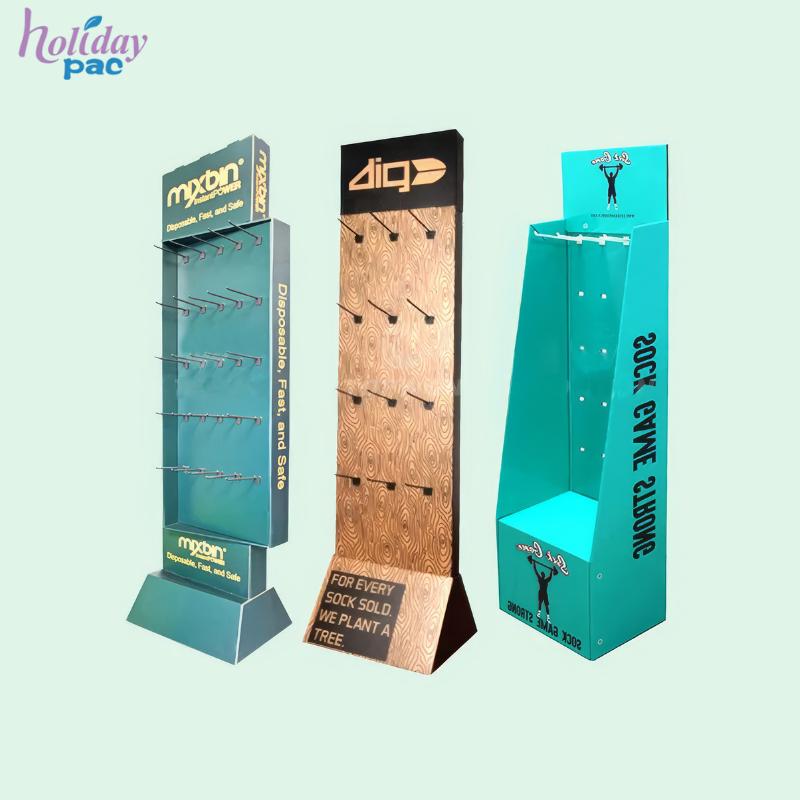
Hanging displays for products with suitable hanging tabs, including accessories and small packs.
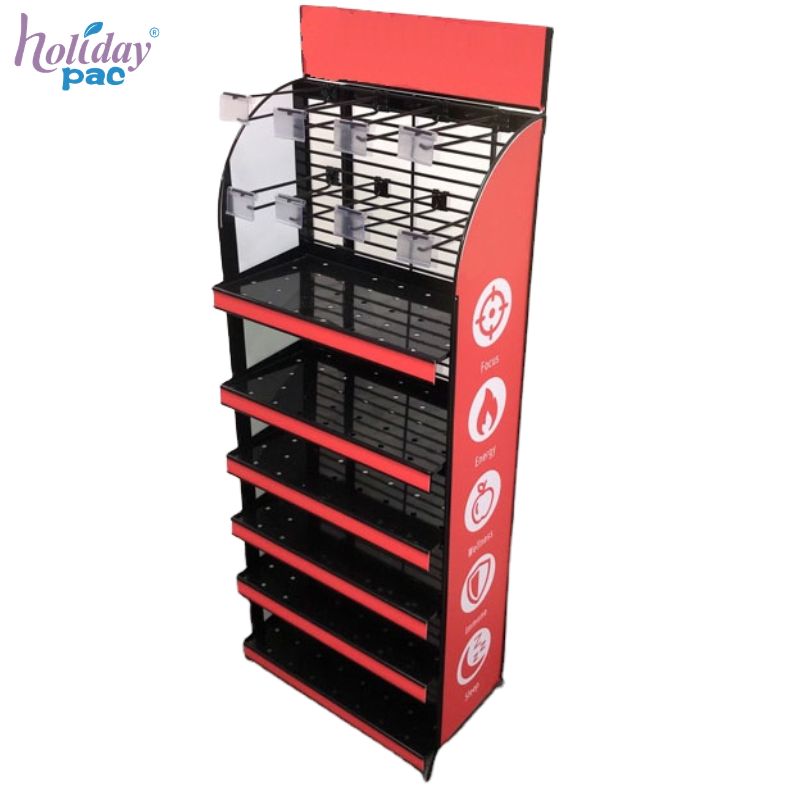
Compare material, service conditions and reuse plans when a different structural approach is needed.
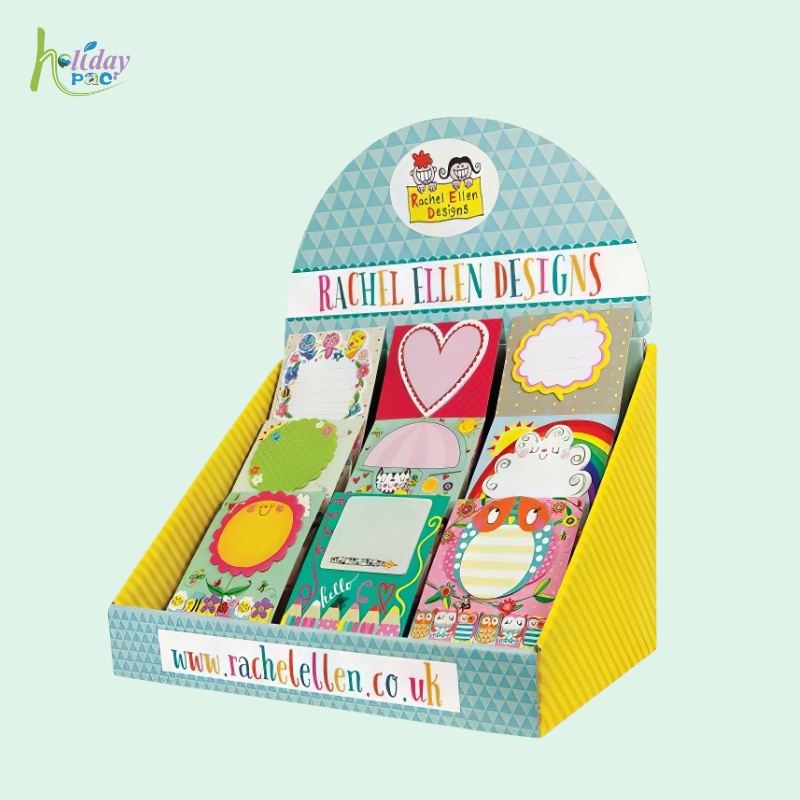
Compact countertop formats for checkout areas and smaller product assortments.
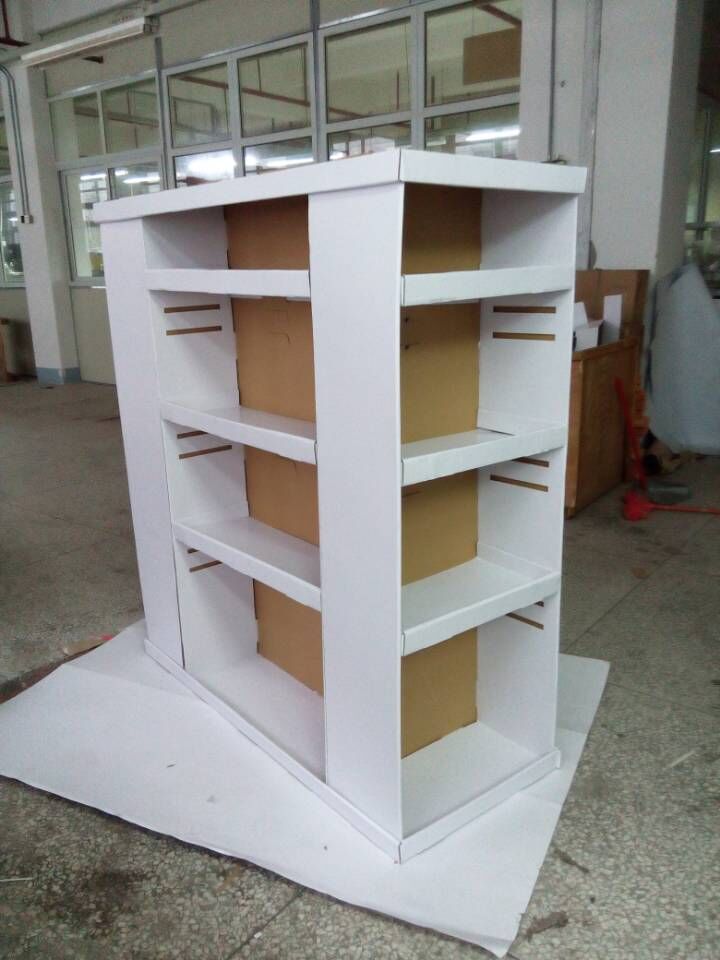
Structure before graphics
Confirm the footprint, shelf layout and access to the merchandise. Review supports and pack fit using the actual products; load limits require project-specific checks.
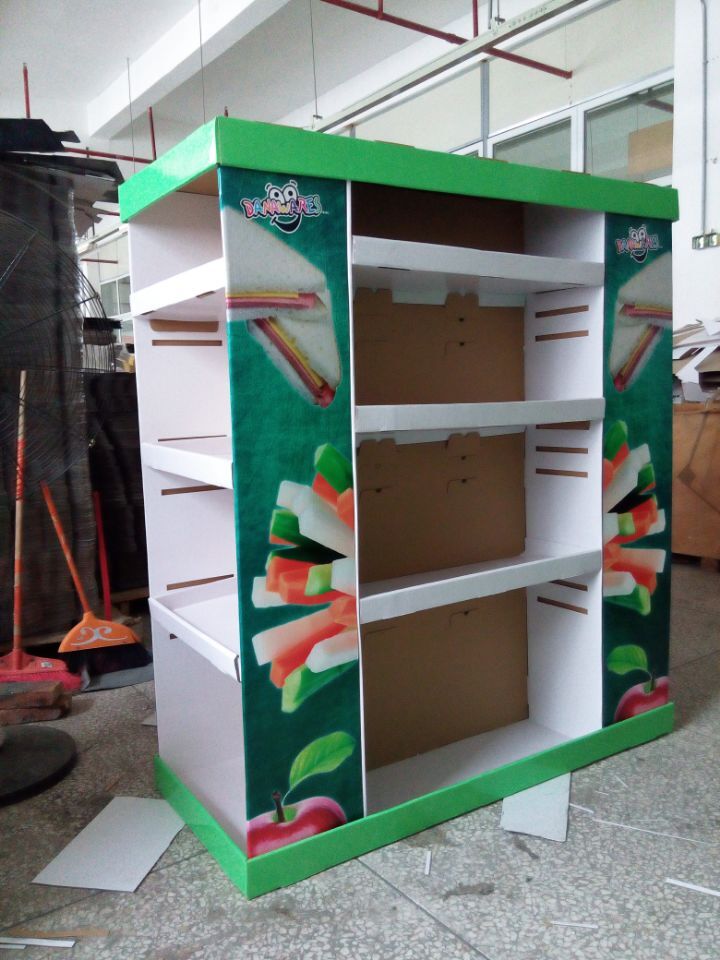
Brand panels & shelf openings
Review the header, visible faces and shelf openings against the approved artwork. Check that graphics do not obscure information needed to replenish or identify products.
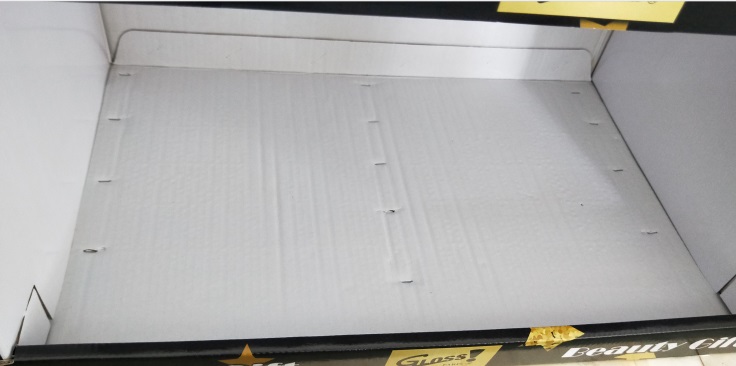
Attachment detail
Confirm how the display connects to its base, including fasteners or other fixing methods where specified. This archive detail is one reference, not a universal fastening instruction.
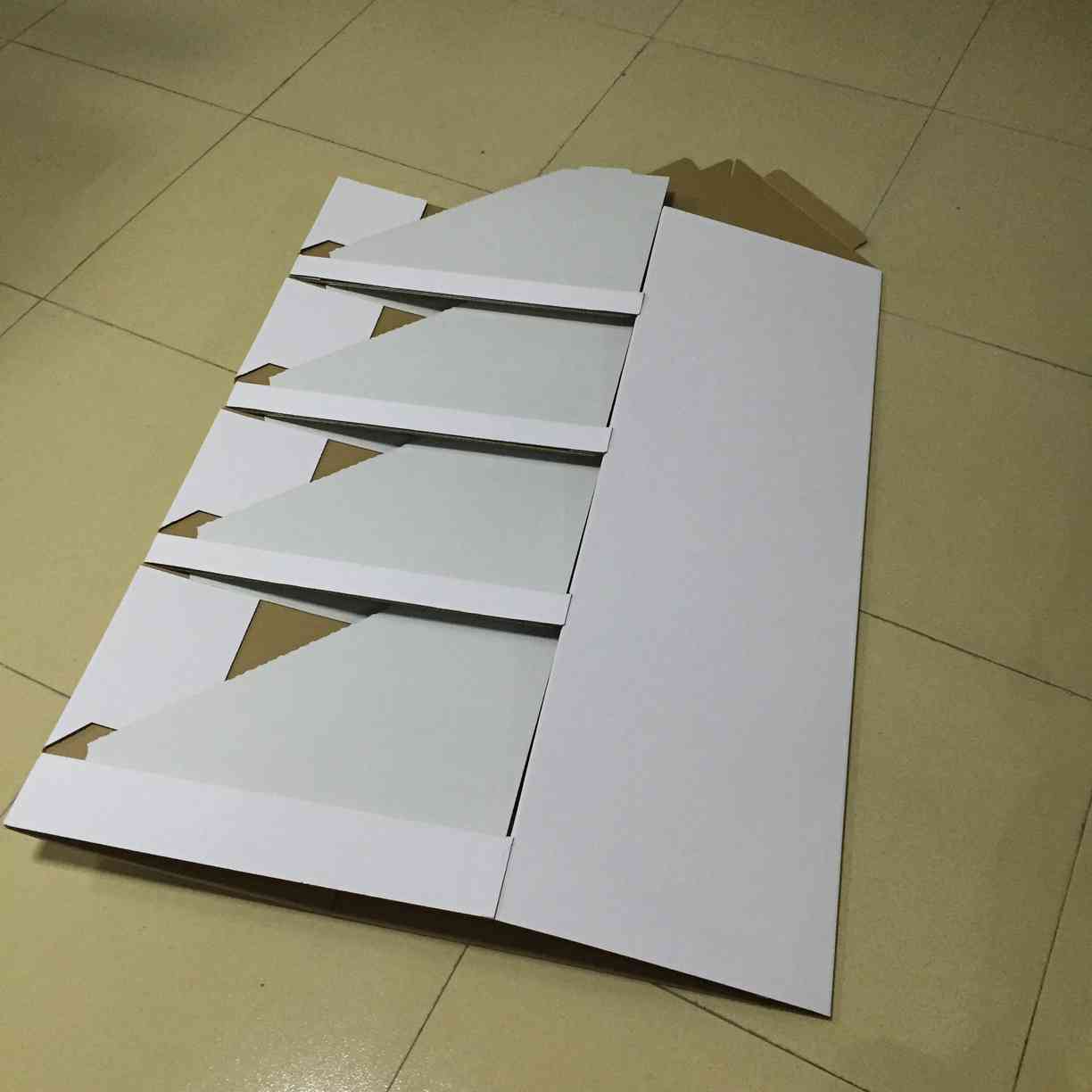
Folded components
Agree whether components travel flat, assembled empty or product-loaded. Confirm protection, identification, assembly instructions and the responsibilities at the loading location.
Photographs from our pallet-display development archive illustrate prototypes, printed samples, base details and folded components. They are references from different stages and projects. Explore display templates
A cardboard pallet display is a retail merchandising structure arranged on or around a pallet base, using shelves, trays, compartments or bins to present packaged products. The display structure and the supporting pallet should be specified together, including who supplies the pallet and how the loaded unit will be handled.
Full, half and quarter pallet describe format choices, not one universal set of dimensions. Confirm the retailer’s actual footprint, permissible overhang and maximum loaded height before the structure is developed.
Consider a larger assortment or several selling faces. Compare the four-sided storage example and two-sided snack display to discuss access and shelf arrangement.
A smaller footprint may fit a different store position. The retail half pallet example is a starting point for discussing your product layout; confirm actual dimensions for the project.
Compare compact footprints for focused promotions. Review the snack quarter pallet example against the retailer’s floor space and loading requirements.
Product trays may be arranged in layers, while a skirt or wrap presents branding around a base. Confirm what provides product support rather than assuming a printed wrap is load-bearing.
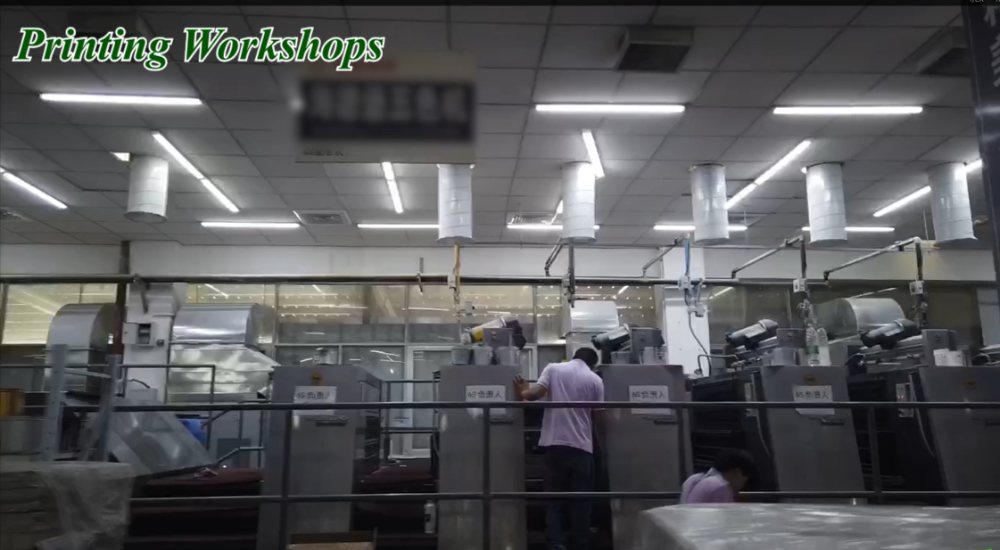
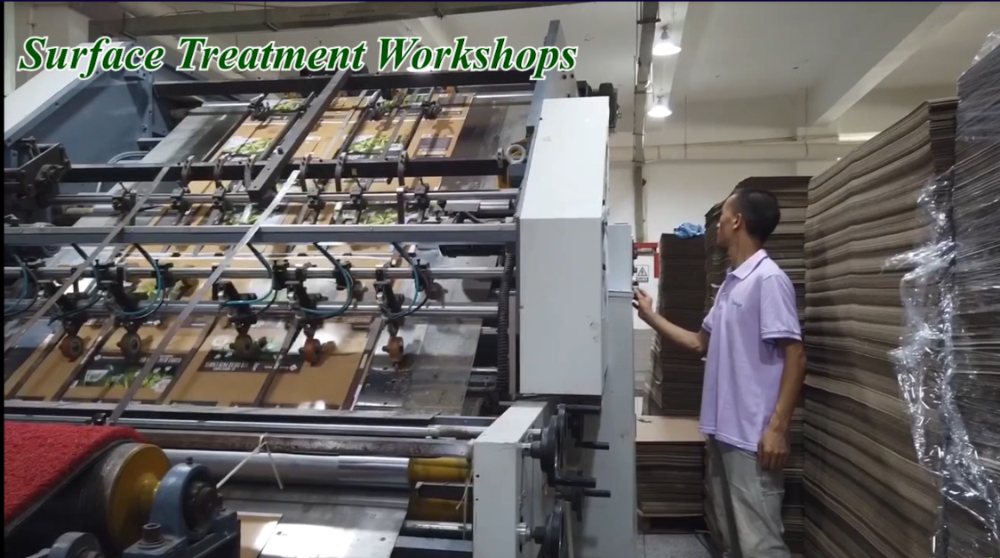
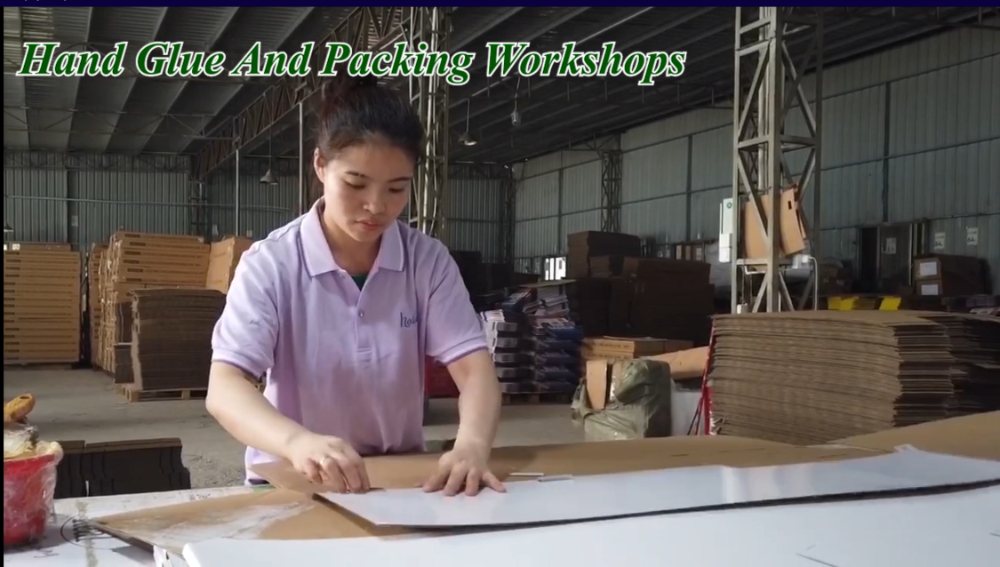
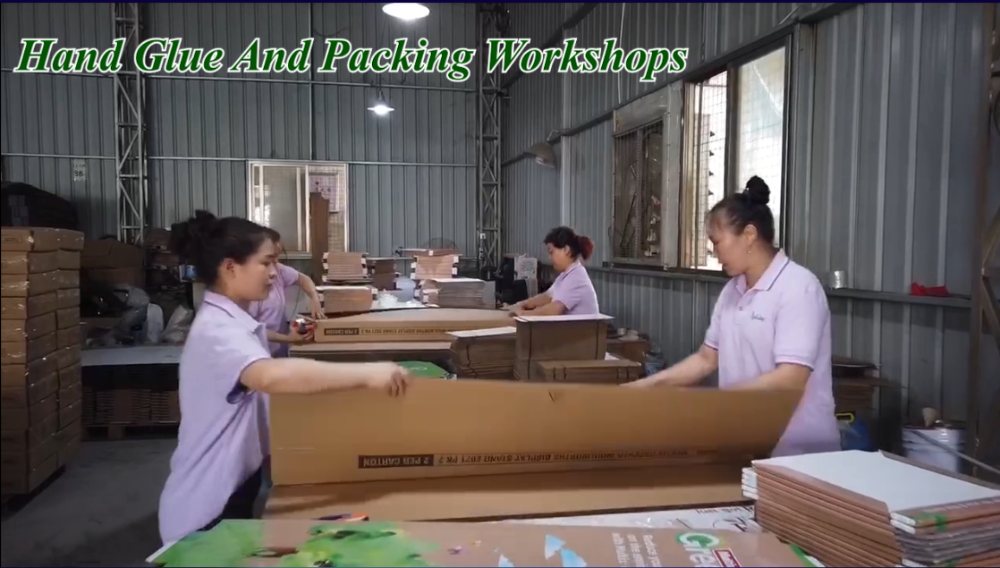
Translate the approved sample into a clear production and packing brief. These workshop references show activities to discuss; material grades, load targets and acceptance checks are defined for each order.
Print Reference | Board & Finish | Structure & Assembly | Packing Plan |
|
|
|
|
Check the approved graphics, visible selling faces, header placement and any required barcode identification. | Select board and finish around the load, display period and handling conditions. Review a physical sample before agreeing the construction. | Check shelf supports, divisions, joints and assembly fit against the agreed design. Evaluate the display with the intended product load. | Agree flat-packed, assembled-empty or product-loaded delivery. Confirm pallet supply, outer protection, labeling and unloading arrangements. |
Start with the actual products you need to sell. Existing Holidaypac examples cover packaged snacks, toys, stationery, cosmetics, pet supplies and seasonal gifts. Each range brings a different pack shape, unit weight and browsing pattern.
Plan rows, layers and replenishment access. Compare tortilla chips and beverage goods examples, then verify the weight distribution of your own assortment.
Use compartments or shelf divisions where they help separate sizes or product lines. See the toy compartment display and stationery display.
Discuss the campaign period, artwork variants and visible selling faces. The Lunar New Year gift display offers an existing example of a seasonal product arrangement.
For Walmart, Costco, Woolworths or another retailer, provide the current buyer-issued display and logistics brief. A retailer name in an existing product title is not confirmation that your new design is approved.
Bring the store brief and real packed products into the sample review. Agree the acceptance criteria with your team before production.
Confirm base dimensions, permitted overhang, overall height, selling faces and aisle access. State whether the height includes the pallet and header.
Provide gross unit weight and units per shelf or layer. Review the loaded sample, weight distribution, stability and the handling or transit tests required for the project.
Compare print placement with approved artwork, check identification and barcode requirements, and try the intended assembly and replenishment sequence.
Specify flat-packed, assembled-empty or loaded supply; identify the loading location, destination and receiving arrangements. Confirm who provides the pallet and shipping protection.
Our company materials emphasize honest business, patient communication, practical design advice, quality checks and team development. Those principles guide the work from the first product brief to the agreed handover.
Be clear about the brief, the sample and the questions still to resolve. Agree the structure and project responsibilities before making production commitments.
Choose the board, layout and support around product fit, handling and retail use. An attractive display also needs to be usable by the people assembling and replenishing it.
Our training archive reflects attention to physical samples, print review and team communication. The team’s knowledge supports clear, practical project discussions.
From nature. Back to nature. This principle encourages considered use of materials. Confirm the board, coatings and disposal route for the specific design and destination; environmental claims need their own evidence.
1. Q: What is the difference between a pallet display and a floor display?
A: A pallet display is designed around a pallet base or footprint. A floor display is a broader category of freestanding retail structures and may not use a pallet. Compare the load, store location, shopper access and delivery method before choosing.
2. Q: Should I choose a full, half or quarter pallet display?
A: Start with the retailer’s permitted footprint, packed product size, SKU mix and target unit count. Full, half and quarter formats are useful comparisons, but the actual dimensions and loaded height must be agreed for your project.
3. Q: How much weight can a cardboard pallet display hold?
A: There is no single load rating for every design. Capacity depends on the board, supports, shelf arrangement, weight distribution, pallet and handling conditions. Provide the intended load and agree sample checks and any required testing before approval.
4. Q: Can pallet displays be supplied flat-packed or loaded?
A: Discuss flat-packed, assembled-empty or product-loaded delivery in the quotation. Confirm where assembly and loading take place, who supplies the pallet, and the packing protection and receiving requirements for the route.
5. Q: Can you design for Walmart, Costco or Woolworths?
A: Share the retailer’s current buyer-issued display and logistics requirements. The structure, artwork and packing can then be reviewed against that brief. Retailer approval is project-specific and is not implied by a product example.
6. Q: What do you need for a pallet display quotation?
A: Send product dimensions and gross unit weight, SKU mix, units per shelf and display, required pallet footprint and loaded height, quantity, artwork status, delivery format, destination and target arrival date. MOQ, price and timing are confirmed after the brief is reviewed.
Send your packed product size and weight, SKU mix, required footprint, quantity and destination. Include the retailer’s current brief if available. Ask Holidaypac to review your project
Links