Holidaypac
 Aug 29,2026

Retailers often need to display many small products in a limited amount of space. Cleaning accessories, household tools, small home supplies, personal-care items, and packaged daily goods can be difficult to organize when they are placed only on counters or crowded shelves. A wall display rack with hooks gives these products a dedicated vertical merchandising area without taking valuable counter space.
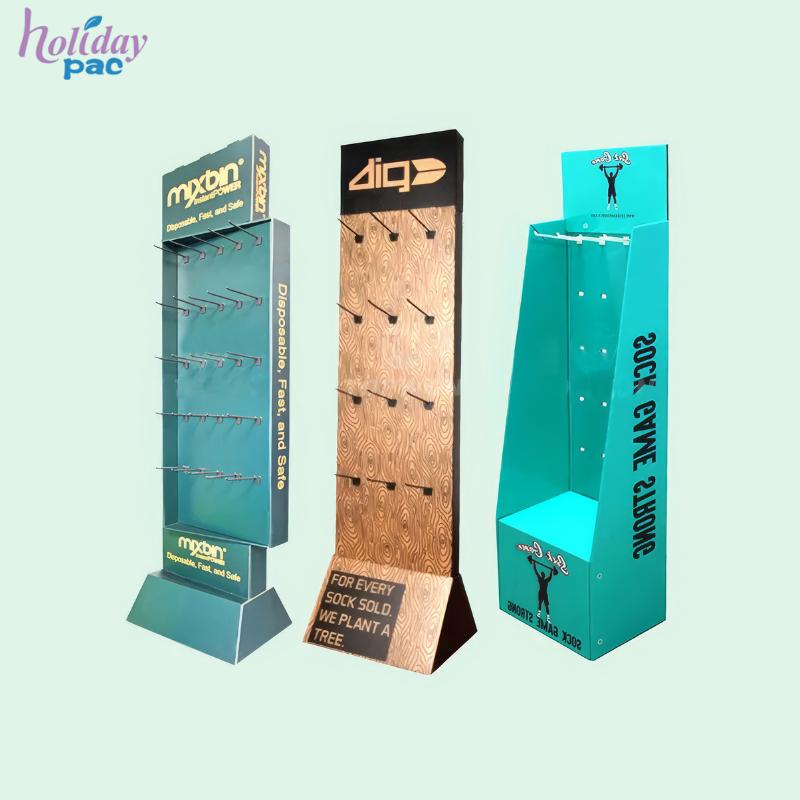
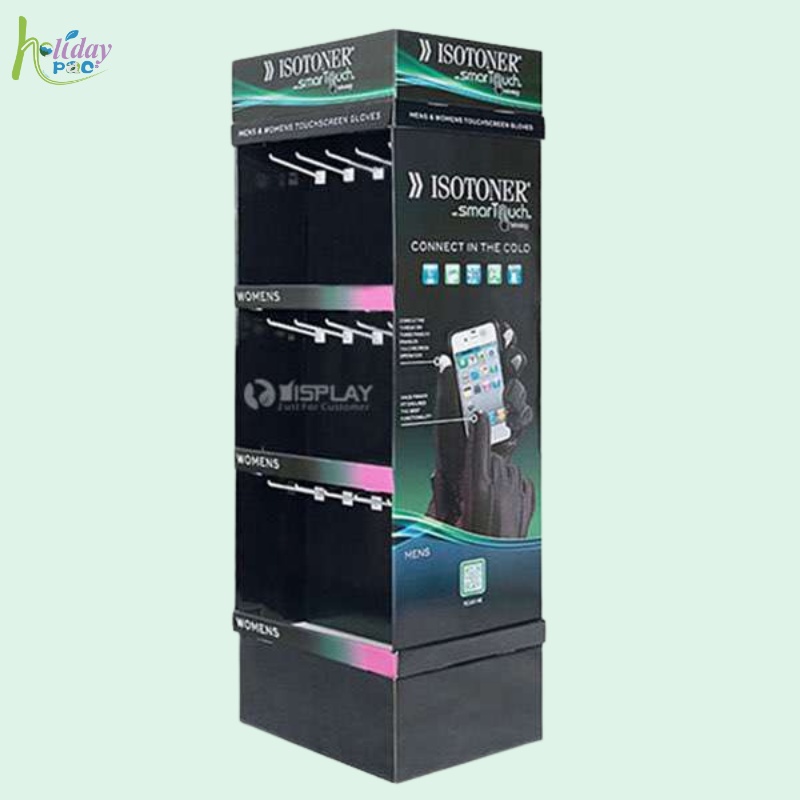
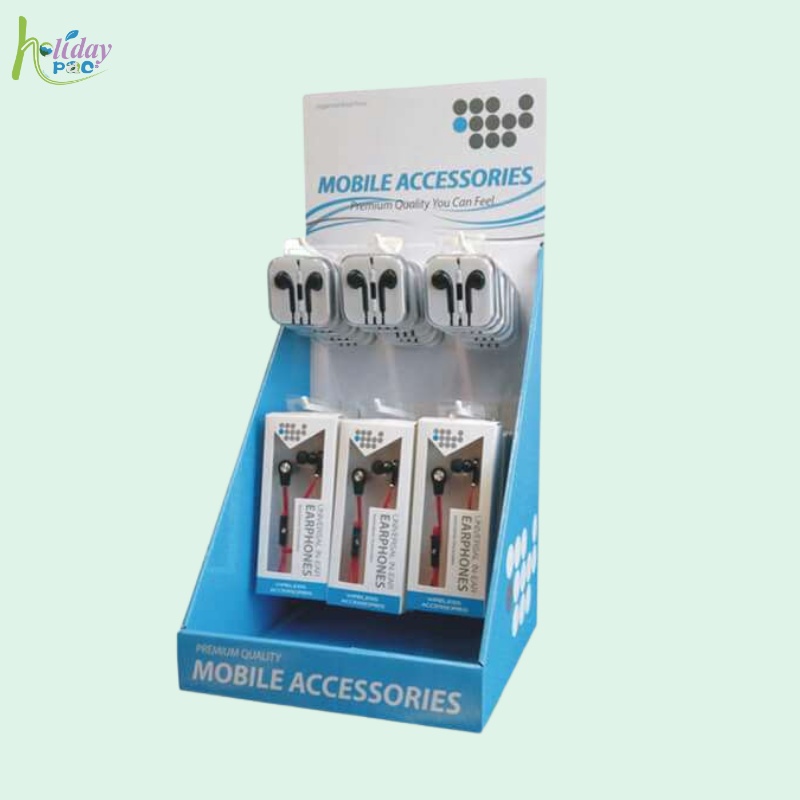
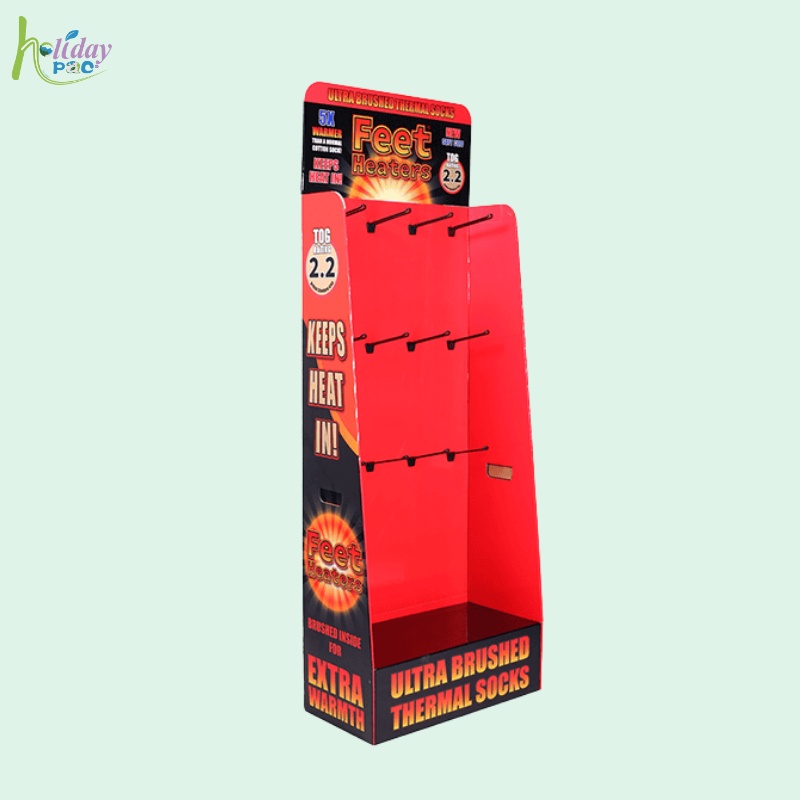
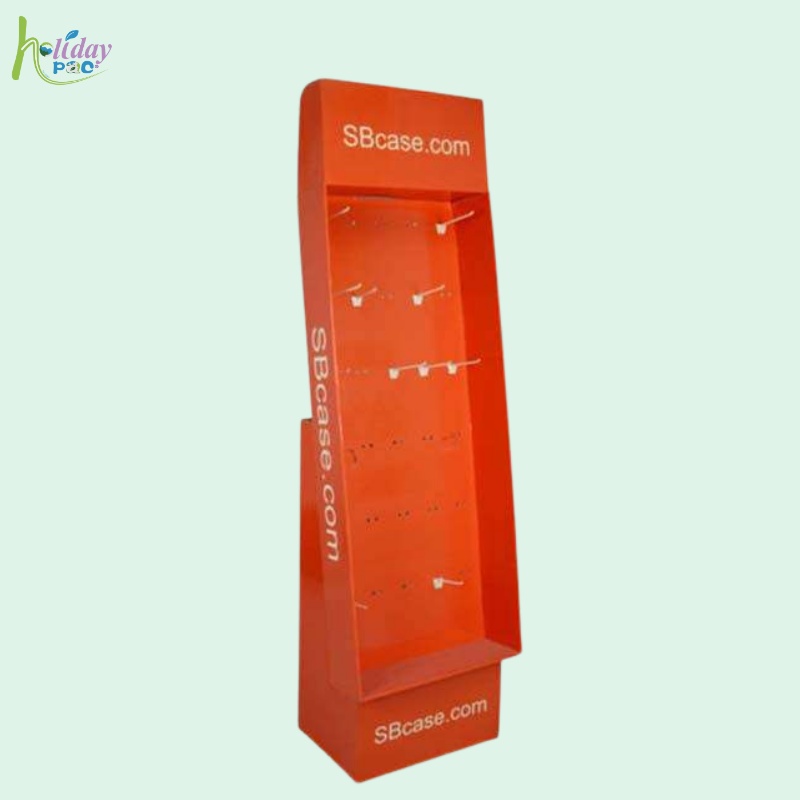
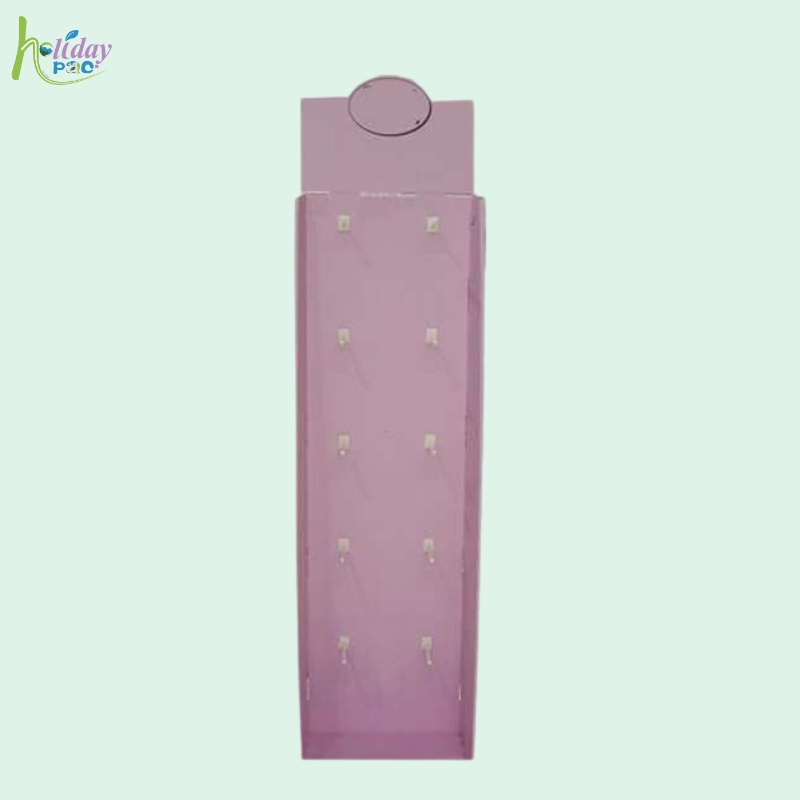
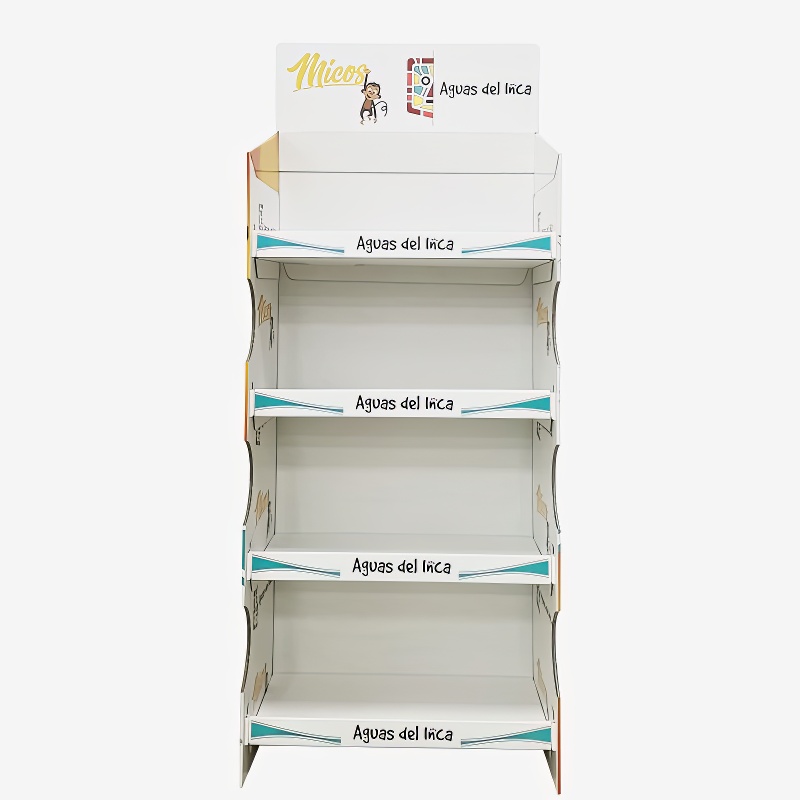
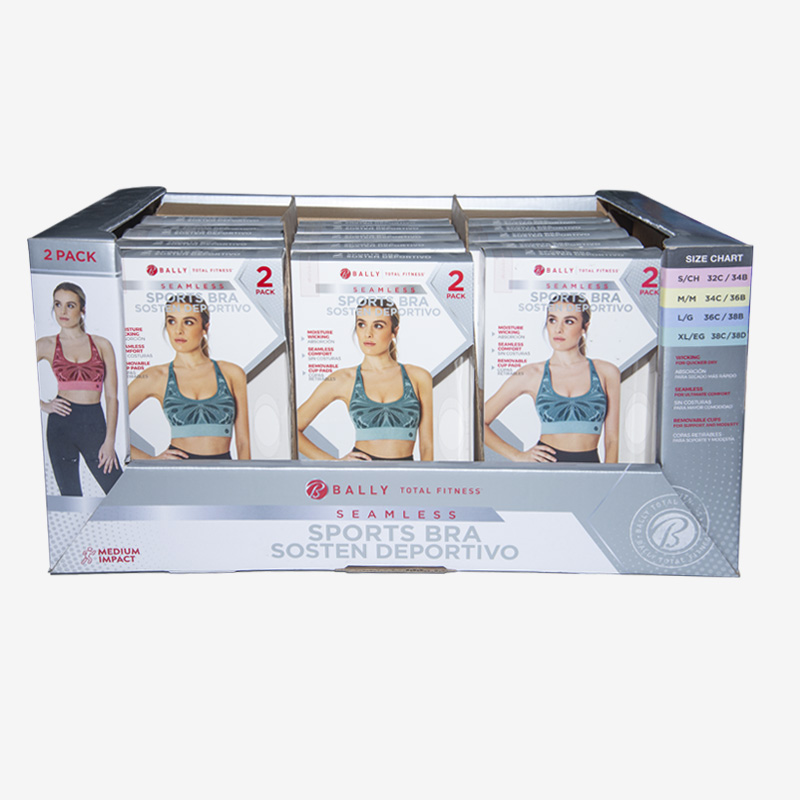
This case study describes Holidaypac's documented customization workflow for a US supermarket daily-goods retailer. The customer's company name, brand identity, store information, product details, and order volume are protected by a non-disclosure agreement. For that reason, this article focuses on the project requirements, design decisions, sample approval, production controls, packing method, and delivery process. The images used on this page are standard display samples and visual references rather than photographs of the customer's confidential stores.
Evelyn coordinated the project from the first inquiry through production and shipment. Her role included confirming the display brief, organizing quotation information, communicating with engineering and design teams, coordinating sample reviews, checking production requirements, and keeping the customer informed during the project.
The customer needed a lightweight display solution for small daily goods in US supermarket environments. The existing merchandising method made some products look disorganized and used counter space inefficiently. The preferred solution had to:
The project was therefore treated as a combined merchandising, structural, and logistics exercise. A wall display is not successful only because it looks attractive. Hook spacing, product weight, wall contact points, carton protection, and store installation all affect the final buying experience.
Evelyn first organized the customer's basic requirements: the product categories to be displayed, the available wall area, preferred display height, number and position of hooks, printing requirements, estimated quantity, target budget, and delivery expectations. The team also discussed how the display would be handled in a supermarket, including replenishment, customer access, and installation.
This early confirmation reduced avoidable changes later. For a wall-mounted display, a few centimeters can affect hook alignment, product visibility, and the position of the top header. The project brief was converted into a practical checklist for design and quotation review.
Holidaypac's engineering team reviewed the proposed rack structure with the intended use in mind. Corrugated board can be light and efficient for retail display, but the design still needs reinforcement in areas that carry hooks, headers, shelves, or concentrated product loads. The team considered the balance between material usage, strength, folding, assembly, and shipping volume.
The quotation was prepared around the approved concept and the required production steps. This gives the buyer a clearer basis for comparing options because the price is connected to the actual structure, printing, finishing, packing, and quantity requirements rather than to a generic display description.
After the customer approved the direction, the design team developed the display drawings and artwork layout. Important review points included the overall proportions, hook distribution, header visibility, graphic areas, die-cut lines, folding positions, reinforcement locations, and the relationship between the display and the wall.
The customer reviewed the drawings and requested adjustments to suit North American retail presentation preferences. The revisions focused on practical merchandising details such as the density of the hooks and the way the display would carry products without making the presentation look crowded. Once the final drawings were approved, they became the reference for sampling and production.
Before applying full-color graphics, the factory made an unprinted structural sample. This step helps isolate engineering questions from artwork questions. The team checked wall balance, hook alignment, connection points, folding behavior, and the stability of the display when products were placed on different hooks.
The sample review also considered transport and assembly. A display can appear stable in a workshop but still need improvement if it is difficult to fold, pack, unpack, or install. Any local reinforcement or stress-point adjustment was made before the printed sample was prepared.
The full-color sample combined the approved structure with the customer's artwork direction. Evelyn coordinated the review of color appearance, print clarity, graphic placement, edge finishing, hook strength, and the overall retail presentation. The customer approved the finished sample as the production reference.
For repeat orders, an approved sample is useful because it gives the production and inspection teams a common visual and structural standard. It also gives the buyer a clear reference for future replenishment discussions.
The production sequence included corrugated board preparation, printing, die cutting, reinforcement, hook installation or shaping, folding, assembly, and finishing. During the run, the quality team checked dimensions, print consistency, structural alignment, surface condition, hook positions, and the appearance of folded units.
Random checks were used to identify variation during production rather than waiting until the end. Finished units were also reviewed before packing. The aim was to make sure the bulk shipment followed the approved sample in the areas that matter to a retailer: stable presentation, clear graphics, consistent sizing, and practical handling.
The wall display format was planned with international logistics in mind. Folding the units flat can reduce carton volume and help the buyer manage transportation and storage more efficiently. Moisture-resistant and pressure-conscious packing considerations were included because cartons may pass through several handling stages during overseas shipment.
The shipment documentation and receiving guidance were prepared for the customer. Installation instructions can be kept simple and visual so that store staff can understand the folding, hook placement, and wall installation sequence without a long training process.
A wall-mounted hook display is particularly useful when products are packaged for hanging and need to be compared at a glance. It can create a clear vertical product family, separate different SKUs by hook, and use a header to communicate a brand or campaign message. It can also help retailers turn unused wall space into a controlled selling area.
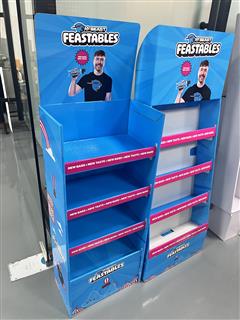
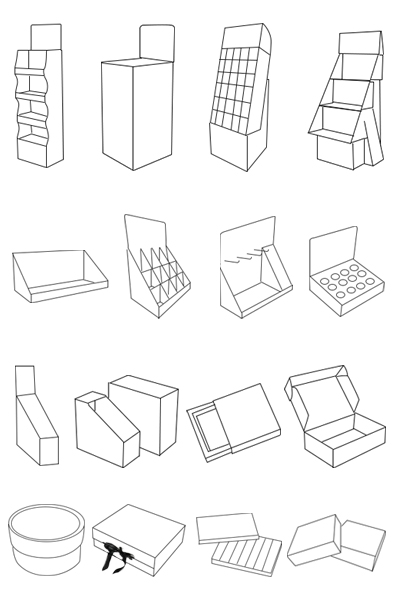
The format is flexible. Depending on the merchandise, a design may use hooks only, hooks combined with shallow shelves, a side-wing format, a header board, or a larger floor-standing structure. The correct choice depends on the product package, weight, replenishment method, available footprint, and the retailer's visual standards.
For buyers comparing a corrugated wall display with a metal fixture, the main questions should be practical: What is the product weight per hook? How often will the display be replenished? Does the store need a temporary promotion or a longer-running fixture? How many displays fit into a shipping carton? What type of wall or retail panel will support the unit? Holidaypac can review these questions before recommending a structure.
| Project item | Planning focus |
|---|---|
| Display format | Corrugated wall display rack with hooks |
| Main application | Small daily goods in supermarket and retail environments |
| Product access | Front-facing hanging access for shoppers and store staff |
| Hook layout | Confirm quantity, spacing, load, and product package dimensions |
| Graphic area | Header, side panels, front panels, and product messaging |
| Material direction | Corrugated board selected around strength, folding, and budget |
| Engineering checks | Balance, reinforcement, hook alignment, folding, and installation |
| Sampling | Blank structural sample followed by full-color sample |
| Packing | Fold-flat or partially assembled packing according to the approved design |
| Customization | Size, artwork, hook positions, reinforcement, finishing, and carton marks |
| Order planning | Confirm quantity, replenishment expectations, delivery destination, and lead time before quotation |
The table is a planning guide rather than a fixed specification. Final dimensions, board grade, hook type, load expectation, printing process, and packing method should be confirmed against the buyer's actual products and retail environment.
To obtain a useful quotation, buyers should prepare the packaged product dimensions, product weight, number of SKUs, quantity per hook, preferred display size, available wall or floor space, artwork files, target quantity, destination country, and required delivery window. A product photograph or packaging dieline is also helpful because it allows the engineering team to assess hook clearance and visual density.
Holidaypac can then confirm the suitable display format, material direction, printing approach, reinforcement points, sample plan, packing method, and quotation assumptions. For private-label or retail programs, the approved sample and artwork file can become a shared reference for future orders.
Can the wall display be made in a custom size?
Yes. The width, height, header, hook layout, graphic panels, reinforcement, and folding structure can be reviewed around the customer's products and available retail space.
How do I know whether a hook display or shelf display is better?
Hook displays suit hanging packages and products that benefit from front-facing visibility. Shelves or mixed structures may be better for boxed goods, heavier items, or products that cannot be hung securely.
Can Holidaypac provide a sample before mass production?
The project workflow includes a structural sample and a printed sample review. The exact sample method, cost, and timing should be confirmed with the quotation.
Can the display ship flat?
Many corrugated structures can be designed for flat or space-efficient packing, but the final method depends on the assembled dimensions, reinforcement, hooks, and installation requirements.
What information is needed for a quotation?
Send product dimensions, product weight, packaging photographs or artwork, preferred display style, quantity, destination, and deadline. These details allow the structure and logistics assumptions to be reviewed together.
A successful wall display balances merchandising clarity, structural reliability, assembly, and logistics. Holidaypac can help turn a retail brief into a custom corrugated display with hooks, a side-wing display, a floor unit, or another paper-based merchandising solution. Contact Holidaypac with your product dimensions and display requirements to begin the design review.


Links