Start with the closed case

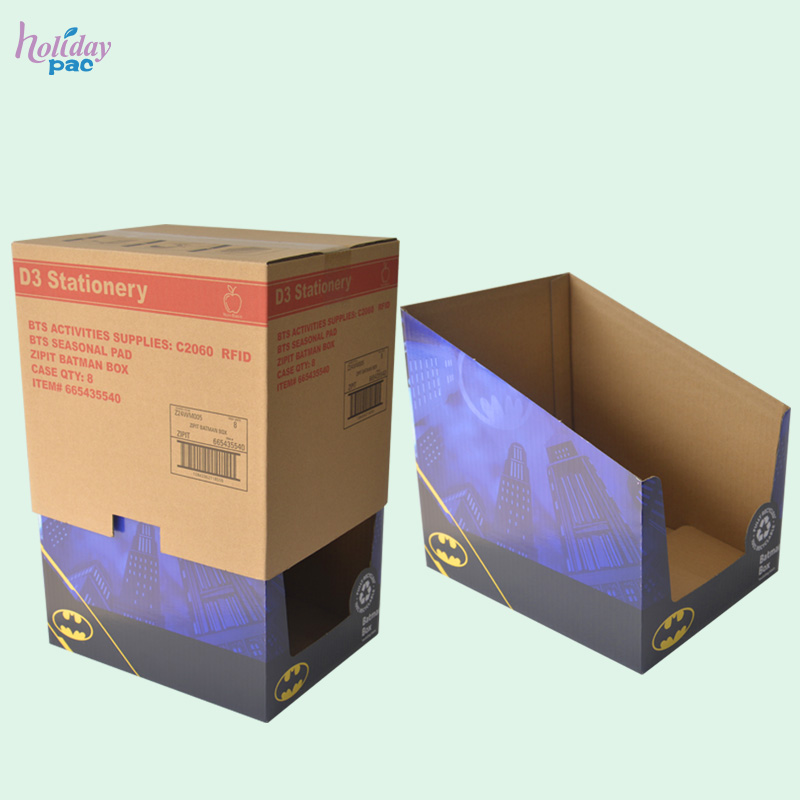
Closed-to-open stationery case
Agree the case quantity and how the lid or upper part protects the goods in transit. Then check the display that remains after opening.
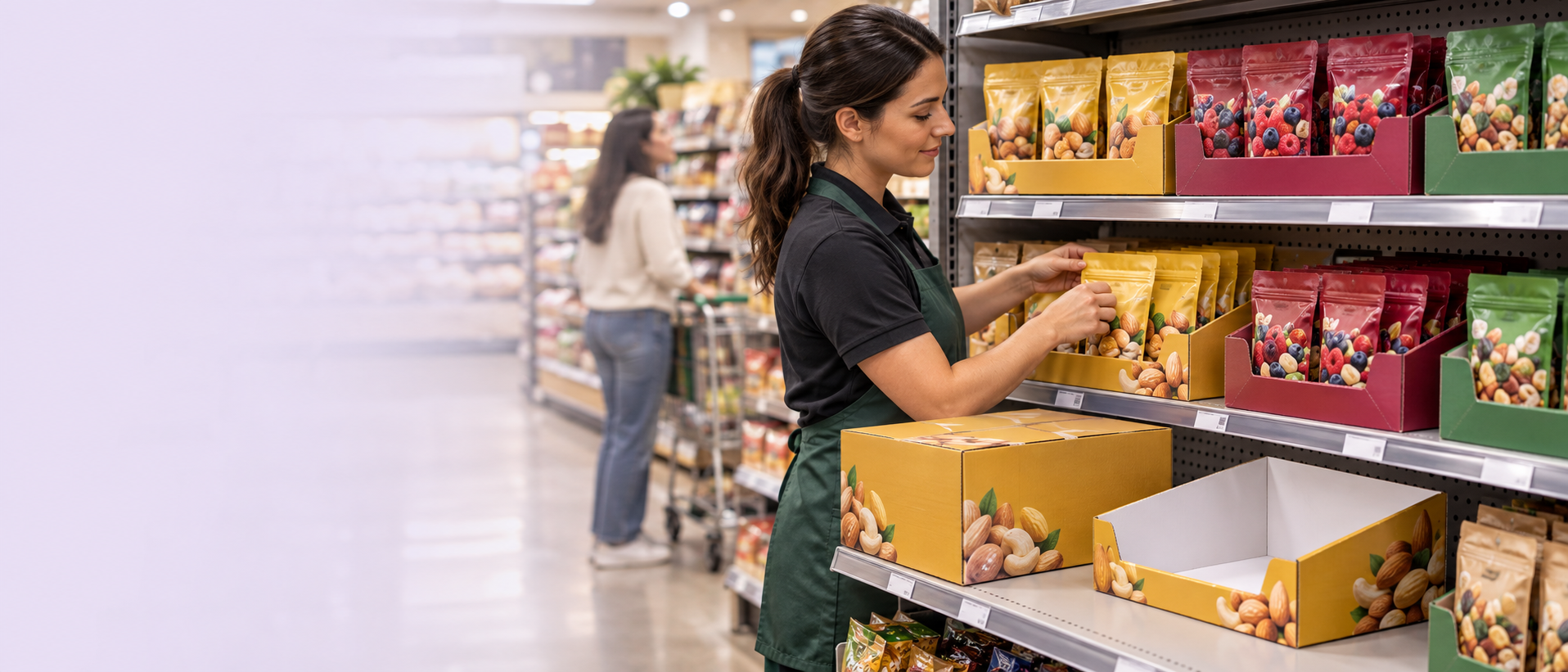
Holidaypac develops shelf-ready boxes around the actual product pack, store opening and retained display tray.
Z natury. Powrót do natury. Zainspirowane mądrością Zhuangziego.
Holidaypac retail concept · AI-generated scene based on actual shelf-ready structures




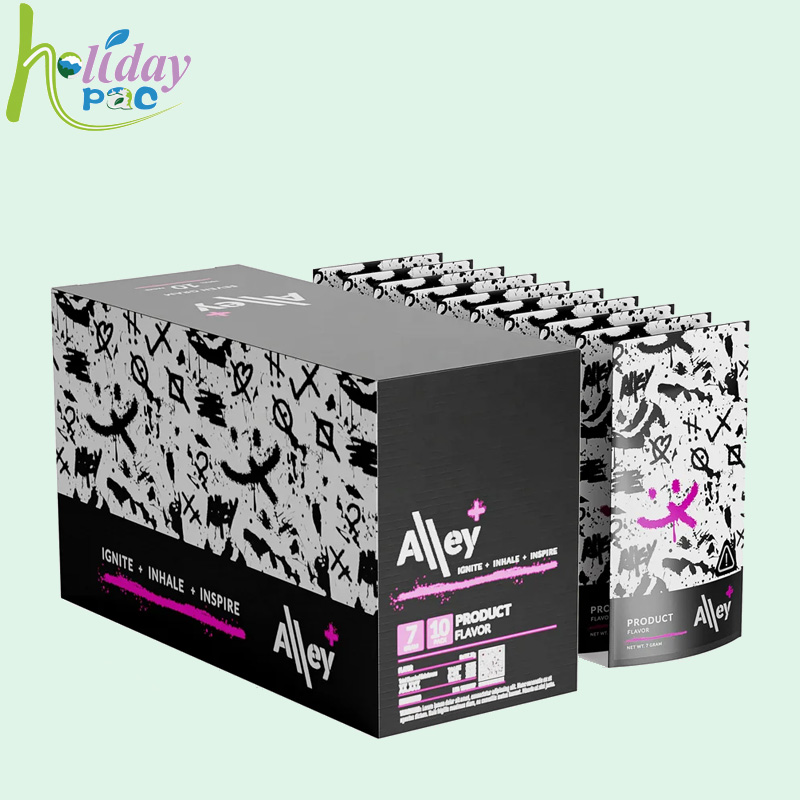


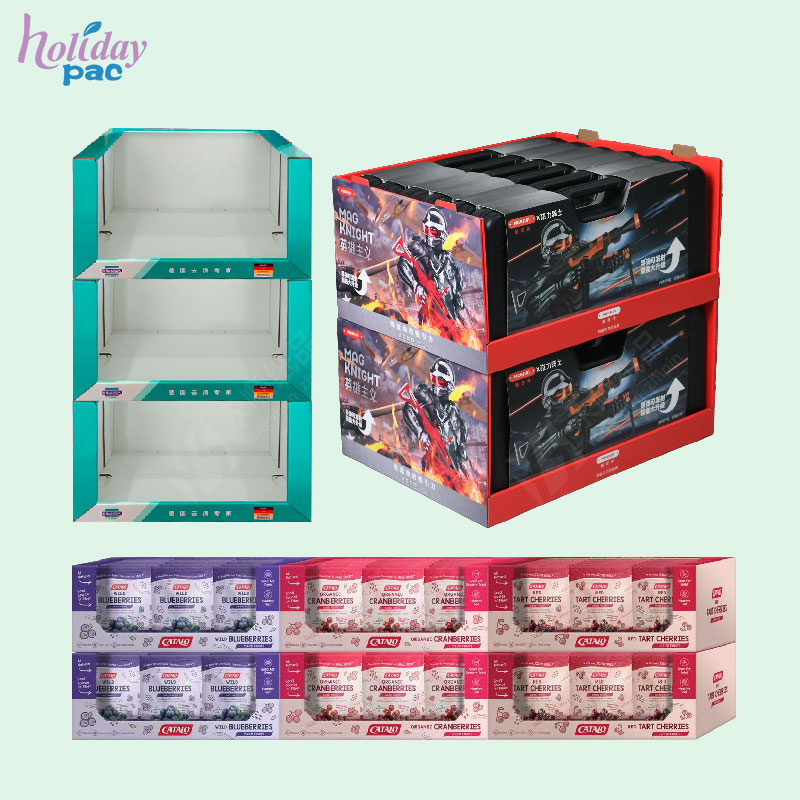



A shelf-ready pack has to travel closed, open cleanly and remain useful on the shelf. Holidaypac reviews those three states with the actual product, pack quantity and retail location before a structure is approved.
Agree the case quantity and how the lid or upper part protects the goods in transit. Then check the display that remains after opening.

The tear line, opening force and panel finish should be checked on a physical sample. The final tray still needs a clean edge and easy access to the merchandise.

Place essential product information on faces shoppers will see after opening. Review the loaded tray rather than artwork alone.
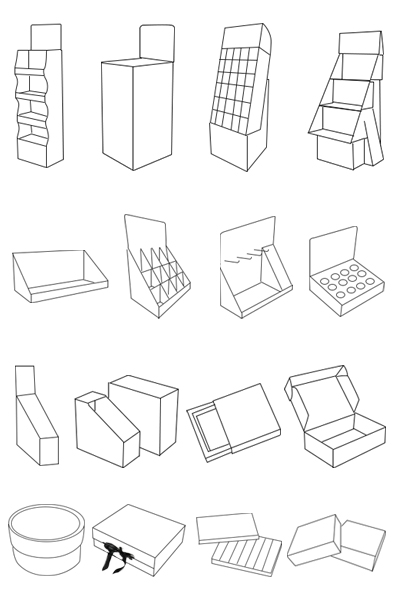
Shelf-ready packaging suits products that arrive inside a case and move quickly into a selling format. Compare it with PDQ trays, counter displays and larger floor or pallet formats when the shelf footprint or shopping behavior changes.
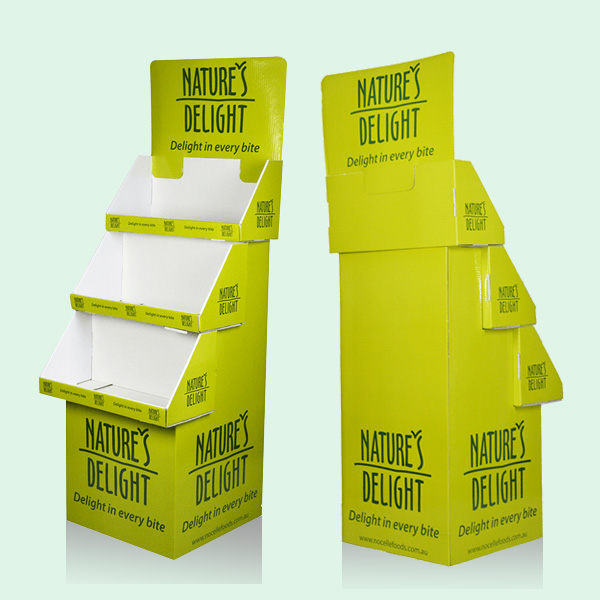
Wolnostojące regały na produkty sprzedawane pojedynczo; porównaj przestrzeń w alejkach i dostęp dla kupujących.
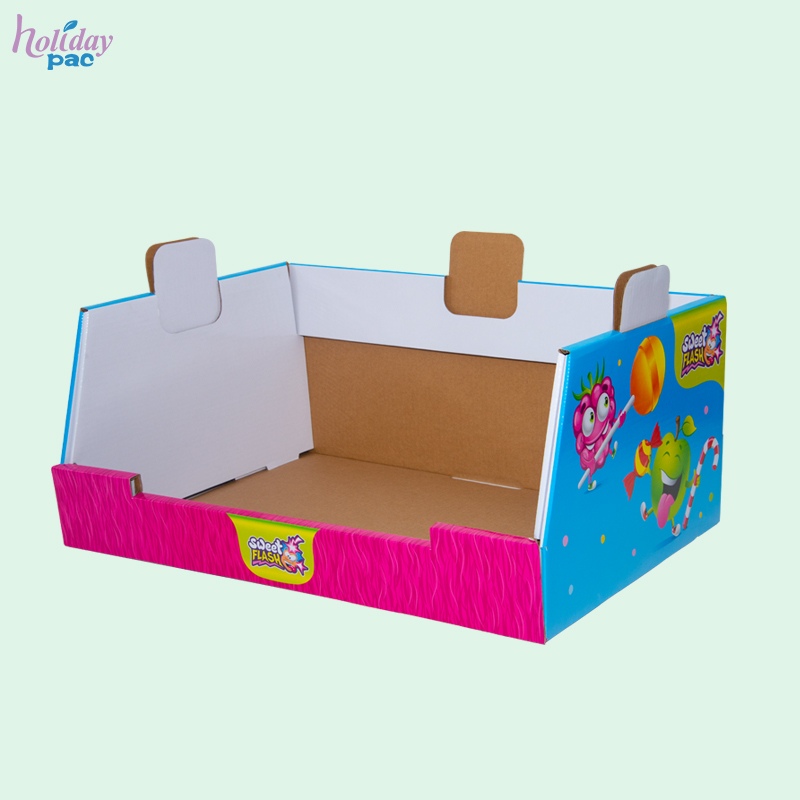
Otwarte tace z produktami mogą również stanowić część warstwowego systemu sprzedaży paletowej.
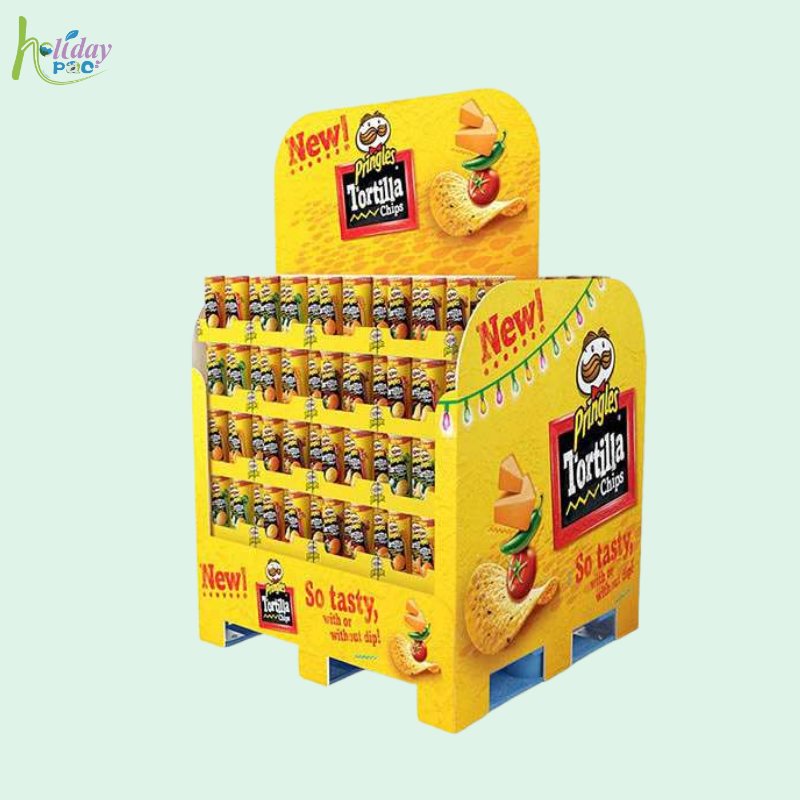
Porównaj rozwiązania handlowe oparte na paletach, gdy przestrzeń, ładunek produktów i obsługa sklepu wymagają większego formatu.
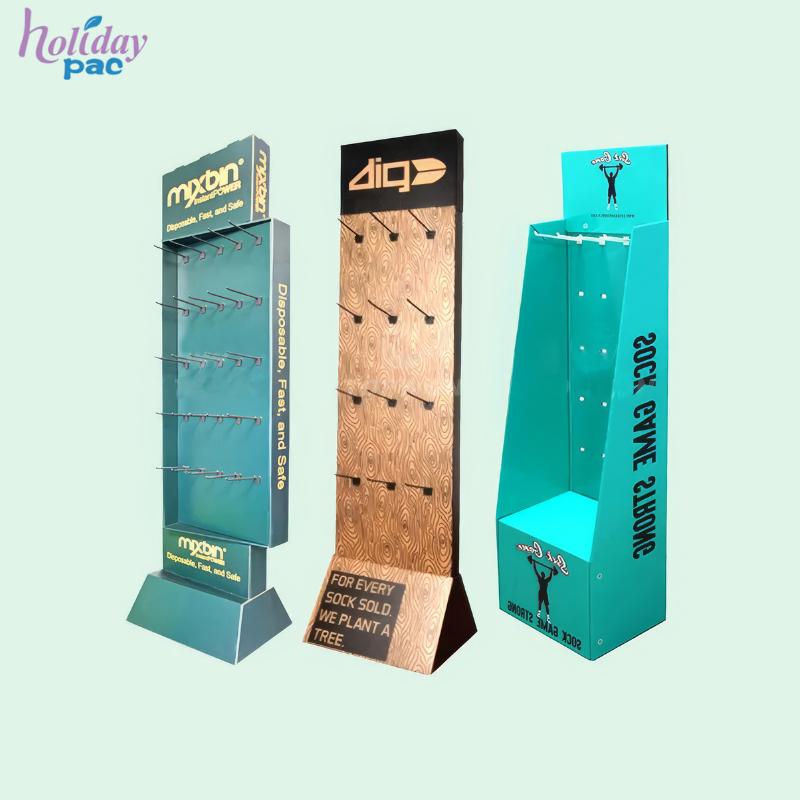
Ekspozytory wiszące do ekspozycji produktów z odpowiednimi uchwytami do zawieszania, w tym akcesoriów i małych opakowań.
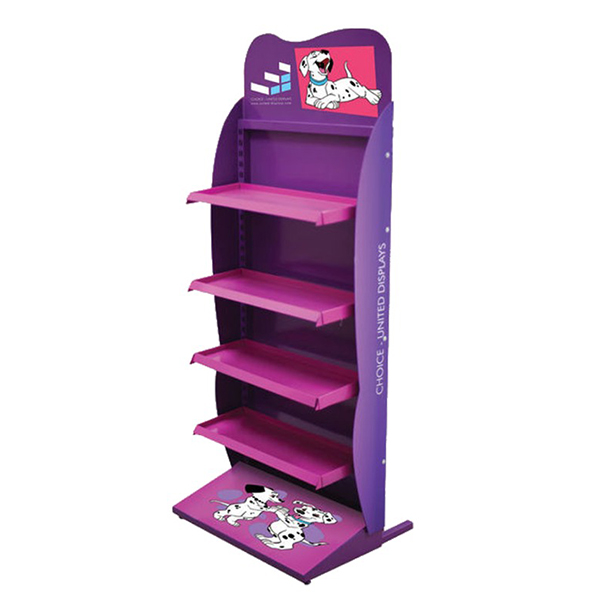
Porównaj materiały, warunki użytkowania i plany ponownego wykorzystania, gdy konieczne jest inne podejście konstrukcyjne.
Kompaktowe formaty blatów przeznaczone do stanowisk kasowych i ekspozycji mniejszych asortymentów produktów.

People review the structure
Start with the actual product, quantity per case and available shelf space. This team archive shows the review method, not the Tasty Habits sample project.

przed otwarciem
The closed sample shows the printed shipping state. Check pack fit and protection before deciding where an opening line should go.

Marked tear line
The marked sample identifies what will be removed. Test this operation on the physical board rather than approving a drawing alone.

Po otwarciu
Compare the opened tray with the agreed shelf footprint, front visibility and product access. Production and delivery outcomes need separate records.
The three Tasty Habits photographs from the Holidaypac archive show one physical sample before opening, its marked tear line and the tray that remains. The team discussion photo is a separate training archive. These materials document a sample sequence; they do not establish a production shipment or retailer outcome. See the catalog tear-top example for another structure.
Shelf-ready packaging is a shipping package that can be placed or opened into a retail display without repacking individual products. The outer structure protects the goods in transit, while the retained tray presents them on the shelf. The exact opening and packing method depend on the product and retailer brief.
A cut or tear line separates the upper part while the lower tray remains. Compare the tear-top carton and test the opening on a filled sample.
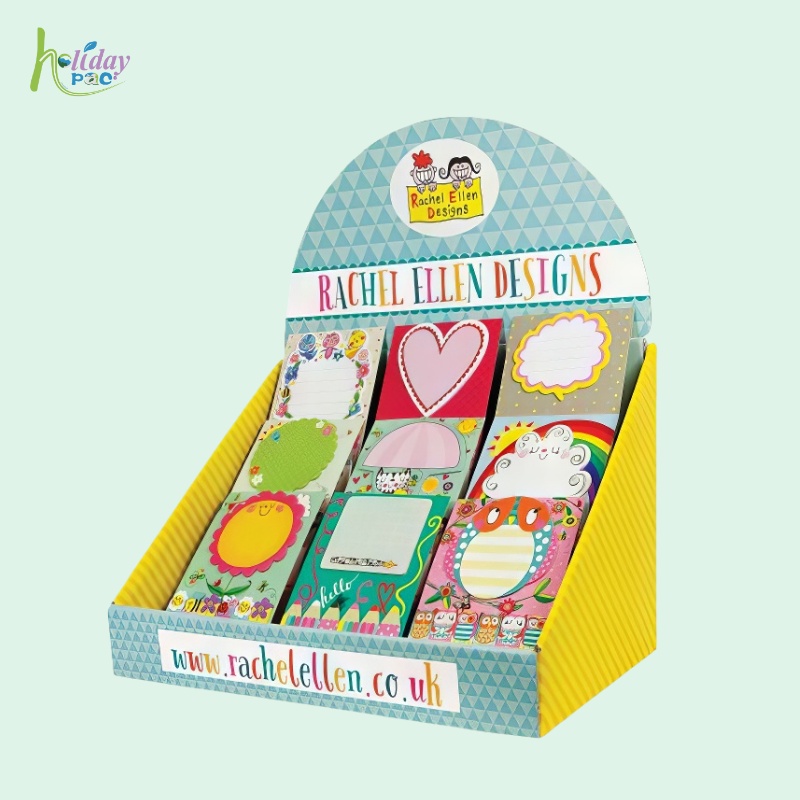
A lid can protect a pack in transit and be removed to reveal the merchandise. See the stationery case and tray for one existing example.
A divider can separate groups or support a loading pattern. The fruit display tray with divider is a starting point for discussing insert dimensions.
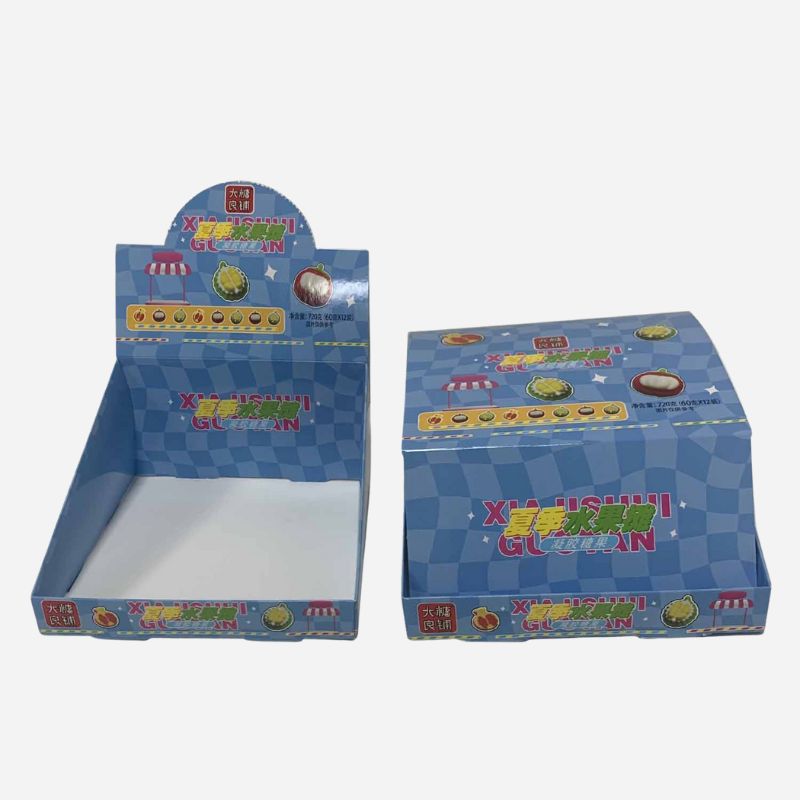
The front and sides can carry the product message after opening. The gummy shelf display shows a printed format to compare with your own artwork.
These E-drive archive references show how artwork, sample cutting, physical tray checks and flat-pack handling inform a shelf-ready brief. They come from separate examples; each new order is checked against its own products, artwork and approved sample.
Tear-Top Artwork | Pobieranie próbek fizycznych | Tray & Insert Check | Flat-Pack Handling |
|
|
|
|
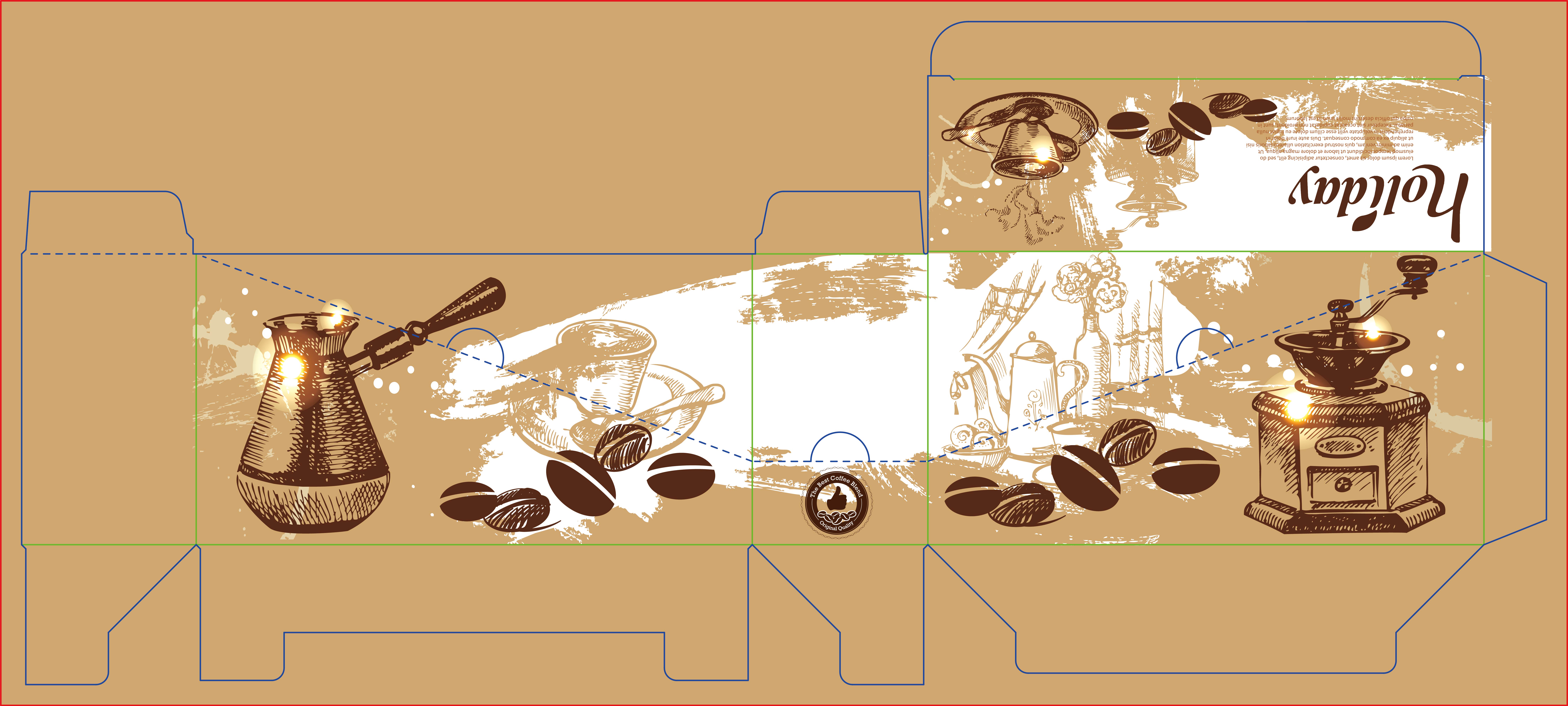
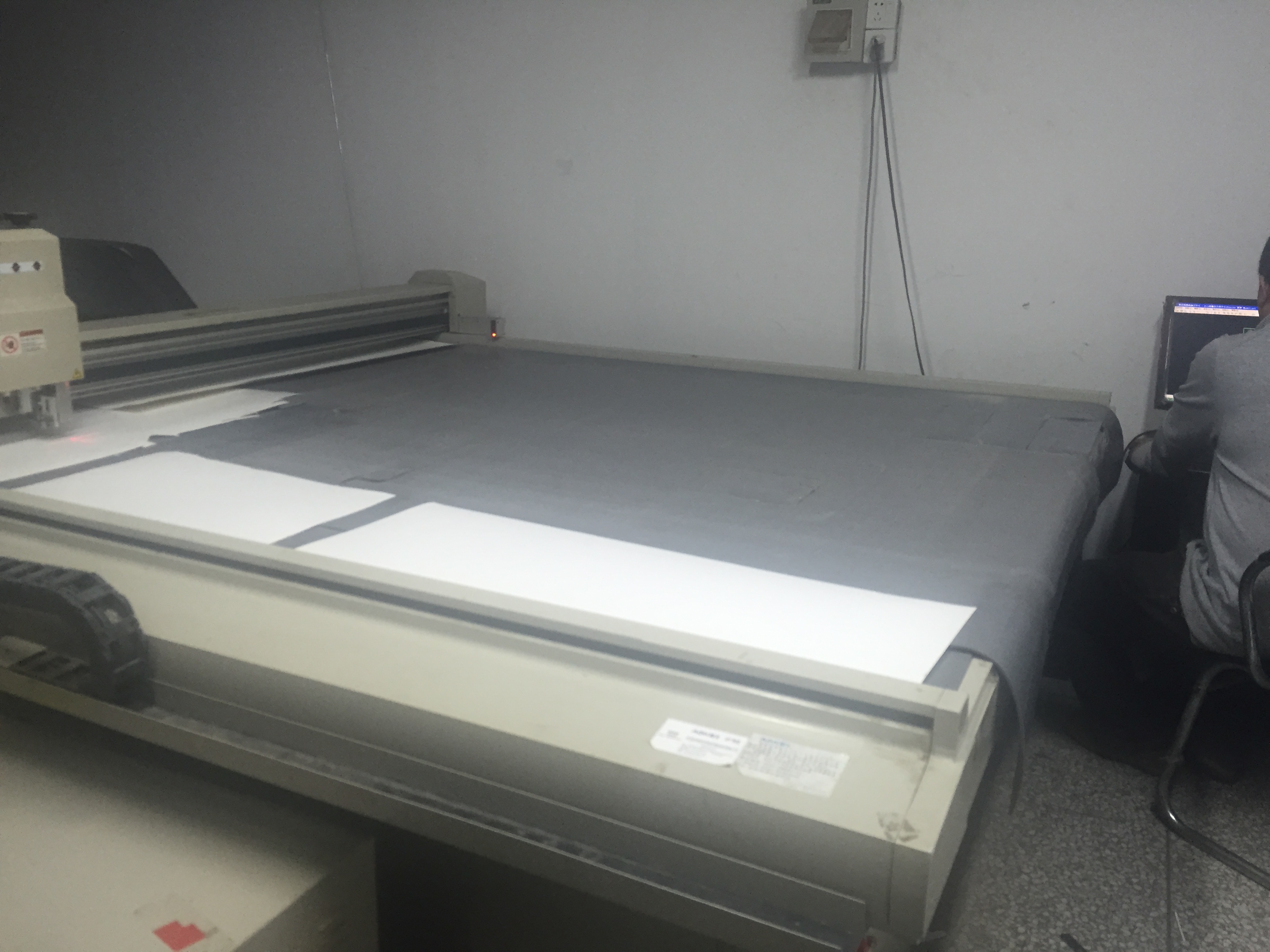
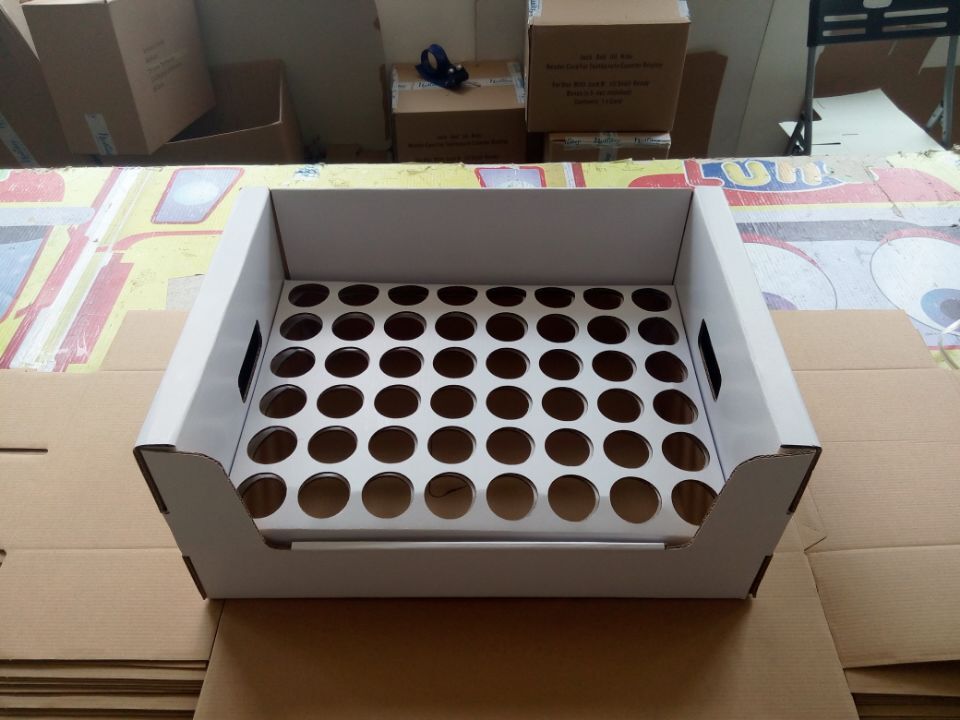
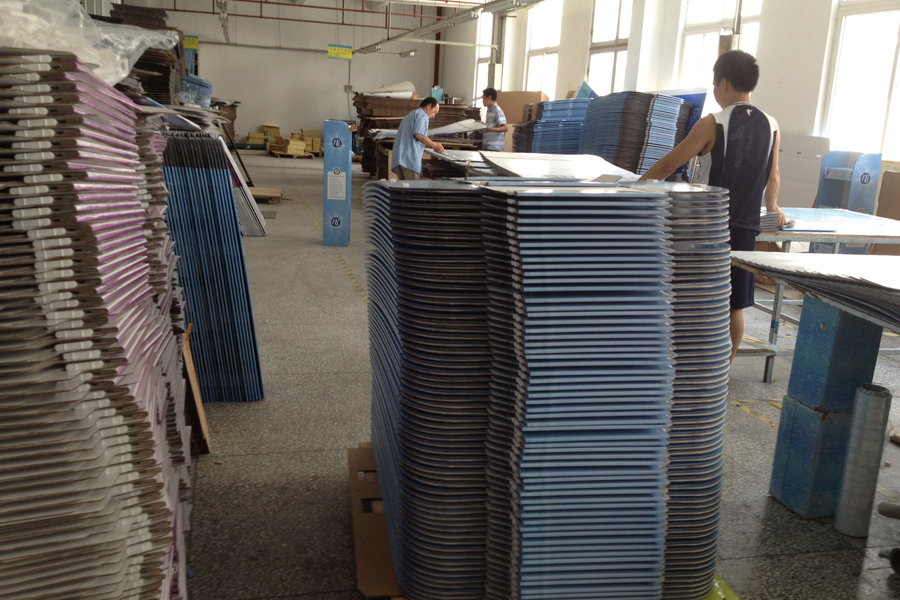
The artwork shows where printed panels, folds and opening lines meet before a physical sample is cut. | A cutting workstation helps turn an agreed structure into a physical board sample for review. | The physical tray shows the insert pattern, side walls and front access that should be checked with the intended product. | Flat components and packing methods need their own handling instructions for the receiving team. |
Small packs may need a visible front and easy access. Compare snack and candy boxes w gummy displays for different presentation needs.
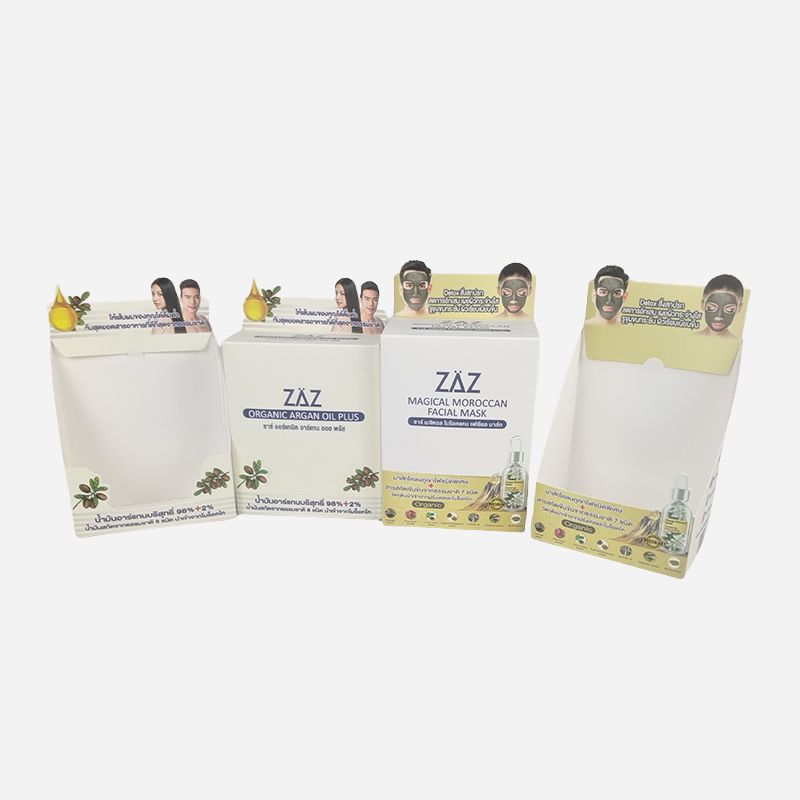
Review pack orientation and the information left visible after opening. Existing examples include skin-care shelf packaging oraz skin-care trays with lids.
Folded or boxed items need a loading pattern that stays orderly. The sock tray is one catalog reference; confirm your own case quantity.
Compare pack depth, front height and removable packaging. See standing-pouch boxes oraz stationery cartons.
The carton should work when full, when first opened and after shoppers remove products. Test the real package before approving artwork or production.
Check the loaded case, handling orientation and whether the goods remain protected in the agreed shipping format.
Test the opening line, tabs or flaps. The remaining display should have a clean edge and remain stable after opening.
Measure actual shelf width and depth. Confirm that shoppers can see and remove packs without obstruction.
Agree who opens the case, how the tray is placed, and whether SKU identification and setup instructions remain clear.
Our company materials emphasize honest business, patient communication, practical design advice and quality checks. For shelf-ready packaging, that means testing the closed carton and its displayed state together rather than promising that one structure fits every retail program.
Document the product brief, retailer instructions, sample changes and outstanding questions before production.
Choose a tear top, lid, folding flap or open tray for the actual merchandise and store routine.
Use the agreed sample and artwork as references for dimensions, opening, print, assembly and packing.
Z natury. Powrót do natury. Confirm the actual board, coatings and end-of-use route for your market rather than relying on a blanket claim.
1. Q: What is shelf-ready packaging?
A: It is packaging designed to travel with the products and convert into a retail display at the shelf. A lid, tear strip or folded panel may be used depending on the chosen structure.
2. Q: Is a shelf-ready box the same as a PDQ tray?
A: The terms can overlap. A shelf-ready box emphasizes the closed shipping-to-display sequence; a PDQ tray may already be open or form part of a stacked display. Choose from the specific handling and merchandising brief.
3. Q: Can the top be removed without damaging the tray?
A: That depends on the cut line, board, finish and how the case is loaded. Review a physical sample with the intended product before approving the opening.
4. Q: Can you print our branding on the visible tray?
A: Share artwork and the product information that must remain visible. Review the printed front, sides, folds and opening line against the approved sample.
5. Q: Can shelf-ready packaging be supplied filled or flat?
A: Agree the packing and loading method in the quotation. Confirm protection, carton markings, setup steps and who loads or opens the package at the destination.
6. Q: What do you need to quote a custom shelf-ready pack?
A: Send product dimensions and weight, quantity per case, shelf footprint, opening preference, artwork status, order quantity, destination and any retailer-issued brief. Material, minimum order and timing are confirmed for the project.
Share your product pack, case quantity and intended shelf location. We can review an appropriate closed-case and open-display structure together. Poproś Holidaypac o ocenę swojego projektu
Linki